El Salvador Adopts Bitcoin as Legal Tender
2021 · San Salvador, El Salvador
El Salvador becomes the first country in the world to adopt Bitcoin as legal tender, a controversial move that sparks global debate about the future of cryptocurrency.
March 14, 2021
The partial general elections were held in El Salvador to elect members to the national assembly and local governments.
San Salvador, El Salvador | Supreme Electoral Tribunal of El Salvador
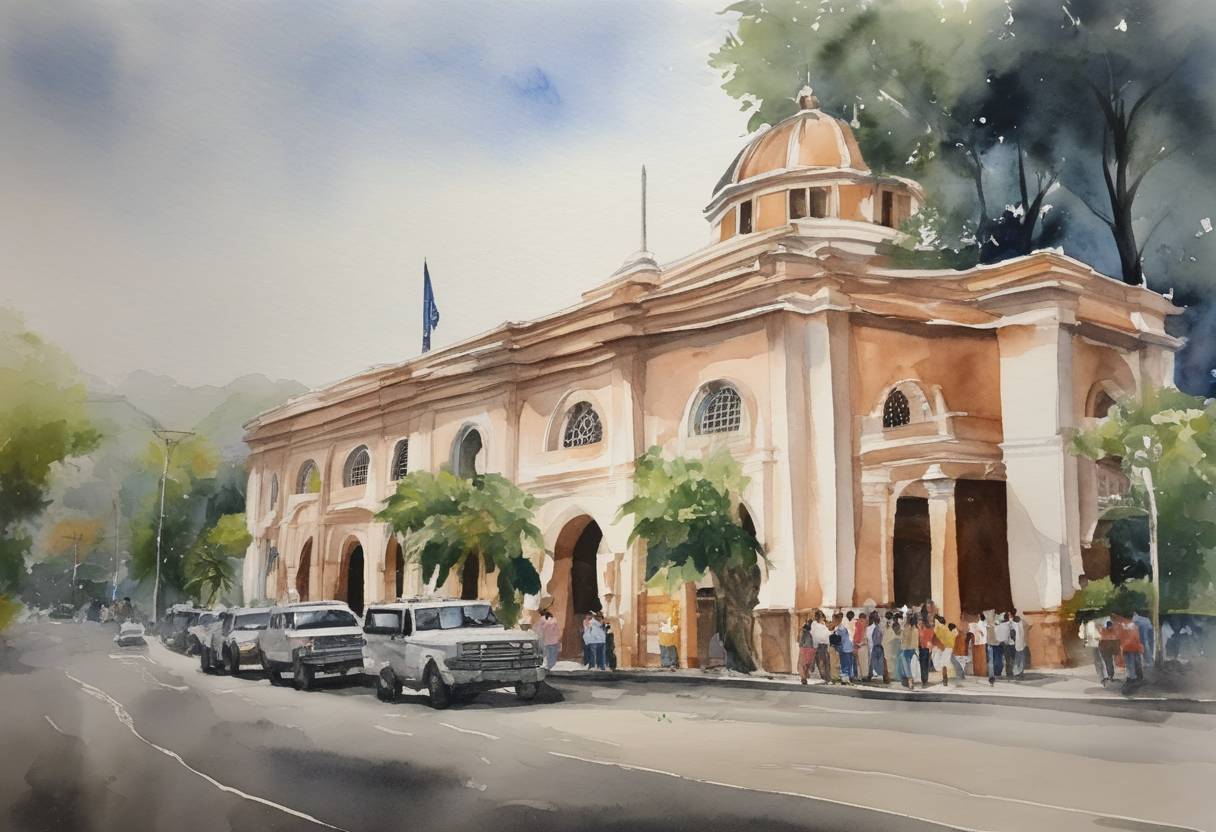
On March 14, 2021, El Salvador held partial general elections to elect new members to the national Legislative Assembly and various local governments. These elections were significant in shaping the political landscape of the country for several reasons.
The elections occurred in a period marked by significant political shifts and public demands for change. The 2019 presidential victory of Nayib Bukele, who campaigned as an anti-establishment figure, set the stage for these pivotal legislative elections. The traditional political parties, the Farabundo Martí National Liberation Front (FMLN) and the Nationalist Republican Alliance (ARENA), faced a strong challenge from Bukele’s newly formed political party, Nuevas Ideas.
Electoral Contenders: The main parties contesting the elections were Nuevas Ideas, ARENA, FMLN, and GANA (Grand Alliance for National Unity), which had previously supported Bukele’s presidential candidacy.
Voter Dynamics: Voter turnout was an important focus, as the 2021 elections were the first major test of President Bukele’s popularity since taking office. His administration had been marked by both significant support and controversy over his governance style, including issues related to transparency and relations with the legislative body.
Election Outcome: Nuevas Ideas, in coalition with GANA, won a decisive majority in the Legislative Assembly. The results provided President Bukele with greater legislative control, enabling him to implement his policies more effectively.
The elections were observed by both national and international monitors, ensuring the legitimacy of the electoral process amidst concerns about political tensions. The Supreme Electoral Tribunal was responsible for overseeing the elections, with efforts focused on maintaining integrity and addressing challenges posed by the COVID-19 pandemic.
The 2021 elections marked a drastic reconfiguration of power in El Salvador, effectively ending decades of dominance by ARENA and FMLN in the legislative branch. With Nuevas Ideas securing a legislative majority, President Bukele’s administration gained the ability to push through legislative reforms, consolidate power, and pursue an ambitious agenda centered around security, economic development, and anti-corruption initiatives.
The outcome also prompted discussions on the implications for democratic governance in El Salvador, given the concentration of power and concerns regarding potential erosion of checks and balances in the political system.
The success of Nuevas Ideas in the elections reflected a broader trend in Latin American politics, where voters increasingly expressed disillusionment with traditional political parties and sought alternatives promising reform and accountable governance. The developments from these elections also positioned El Salvador at a critical juncture, with watchers closely following the impact on its democratic institutions and civil society.
Source: www.reuters.com