The Great Fire of New York: December 7, 1835
1835 · New York City, United States
The Great Fire of New York began, causing destruction of much of downtown Manhattan.
October 28, 1835
The New York newspaper, The Herald, published the first newspaper report detailing the Great Fire of New York City, which had occurred on December 16-17, 1835.
New York City, United States | The Herald
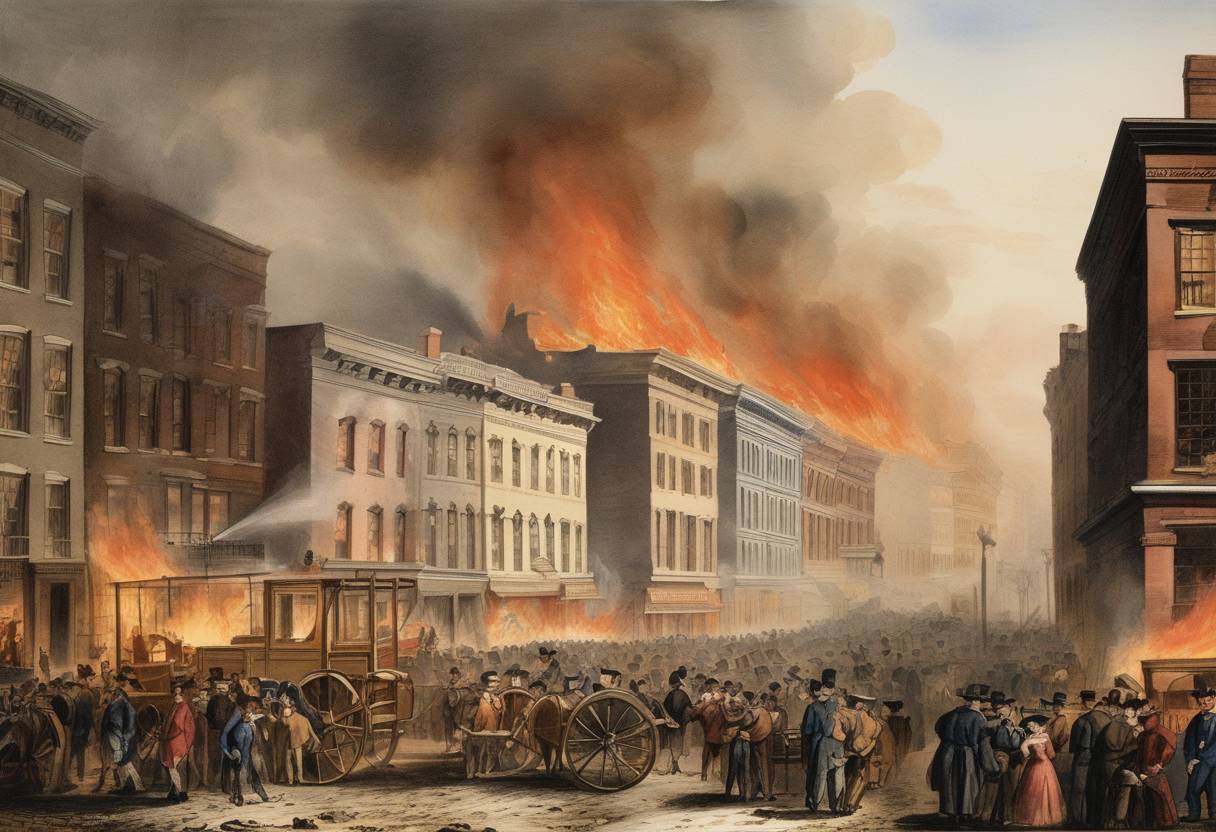
By October 28, 1835, The New York Herald could not have published a report on the Great Fire of New York City detailing its occurrence, as the fire itself had not yet happened; it took place later during the nights of December 16-17, 1835. As such, it is historically impossible for an October 1835 report to detail an event happening in December of the same year. However, it provides an opportunity to examine the environment leading up to such events and consider the nature of reporting disasters at the time.
The winter of 1835 was notably severe in New York City. Conditions leading up to the Great Fire included:
Journalism in the early 19th century differed significantly from today’s practices:
Although no reports existed in October detailing the Great Fire, when it did occur, it was a catastrophic event:
Analyzing the reporting norms and events leading to 1835 offers insight into how critical information was disseminated during major 19th-century urban crises, emphasizing the evolution of journalism and the crucial role of newspapers in recording history.
Source: en.wikipedia.org