Tornado Outbreak in the Southeastern United States - March 3, 2019
2019 · Beauregard, United States
A tornado outbreak in the Southeastern United States resulted in 23 fatalities, with the most significant damage occurring in Lee County, Alabama.
April 28, 2011
A series of tornadoes struck the southern United States, particularly Alabama, resulting in over 300 deaths and extensive damage.
Tuscaloosa, United States | National Weather Service
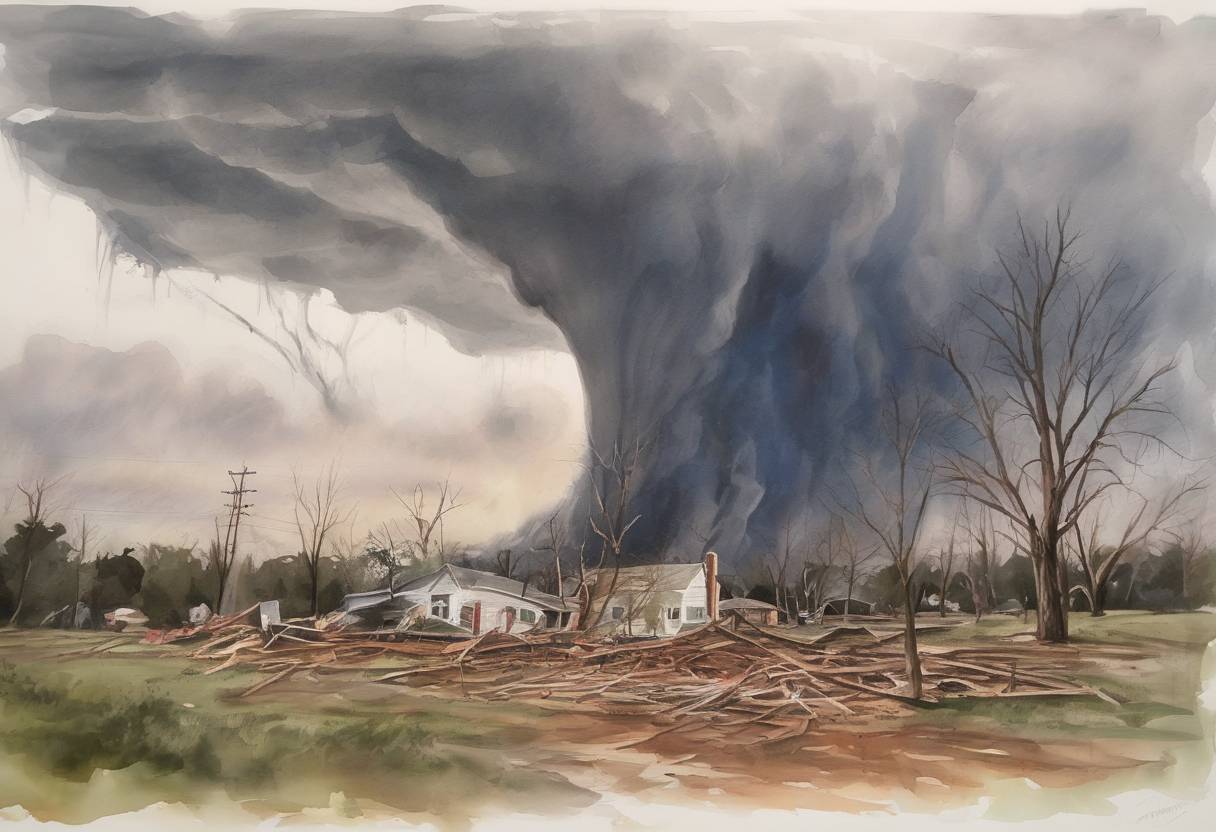
The tornado outbreak of April 27-28, 2011, was one of the most devastating natural disasters in the history of the United States, particularly affecting the southern states, with Alabama experiencing the most severe impact. This event is part of the larger 2011 Super Outbreak, which spanned from April 25 to April 28, 2011.
Meteorological Conditions: The outbreak was fueled by a potent combination of atmospheric conditions. A strong low-pressure system moved across the central United States, creating a volatile environment with warm, moist air from the Gulf of Mexico colliding with cooler, drier air from the north. This clash of air masses, along with strong wind shear, set the stage for the formation of numerous supercell thunderstorms capable of producing tornadoes.
Previous Tornado Activity: The days leading up to April 27 saw increased tornado activity across the central and southern United States, but the most intense and deadly phase occurred on April 27.
Tornado Outbreak: On April 27, a series of powerful tornadoes swept through the southern United States. The outbreak produced 362 tornadoes over the course of the event, with 216 occurring on April 27 alone.
Impact on Alabama: Alabama was the hardest-hit state, with 62 confirmed tornadoes. The most destructive tornado was an EF5 that struck the city of Tuscaloosa, causing catastrophic damage. This tornado was part of a long-track supercell that traveled over 80 miles, affecting multiple communities.
Casualties and Damage: The outbreak resulted in over 300 fatalities, with Alabama accounting for more than 250 of these deaths. Thousands were injured, and the destruction of homes, businesses, and infrastructure was extensive. Entire neighborhoods were leveled, and the economic impact was profound.
Emergency Response: The scale of the disaster prompted a massive emergency response effort. Federal, state, and local agencies, along with numerous volunteers and organizations, mobilized to provide aid and support to affected communities.
Rebuilding and Recovery: The recovery process was long and challenging, with efforts focused on rebuilding homes, restoring utilities, and providing mental health support to survivors. The disaster highlighted the need for improved tornado warning systems and preparedness measures.
Historical Significance: The 2011 Super Outbreak is considered one of the largest and deadliest tornado outbreaks in U.S. history. It underscored the vulnerability of the southeastern United States to severe weather and led to advancements in meteorological research and emergency management practices.
In summary, the tornado outbreak of April 27-28, 2011, was a catastrophic event that left a lasting impact on the southern United States, particularly Alabama. It serves as a somber reminder of the power of nature and the importance of preparedness and resilience in the face of natural disasters.
Source: www.weather.gov