February 10, 2013

The Carnival Triumph cruise ship experienced an engine room fire, leaving it adrift in the Gulf of Mexico with more than 4,000 people on board, leading to significant media coverage and scrutiny of cruise ship safety.


Gulf of Mexico, N/A | Carnival Cruise Line
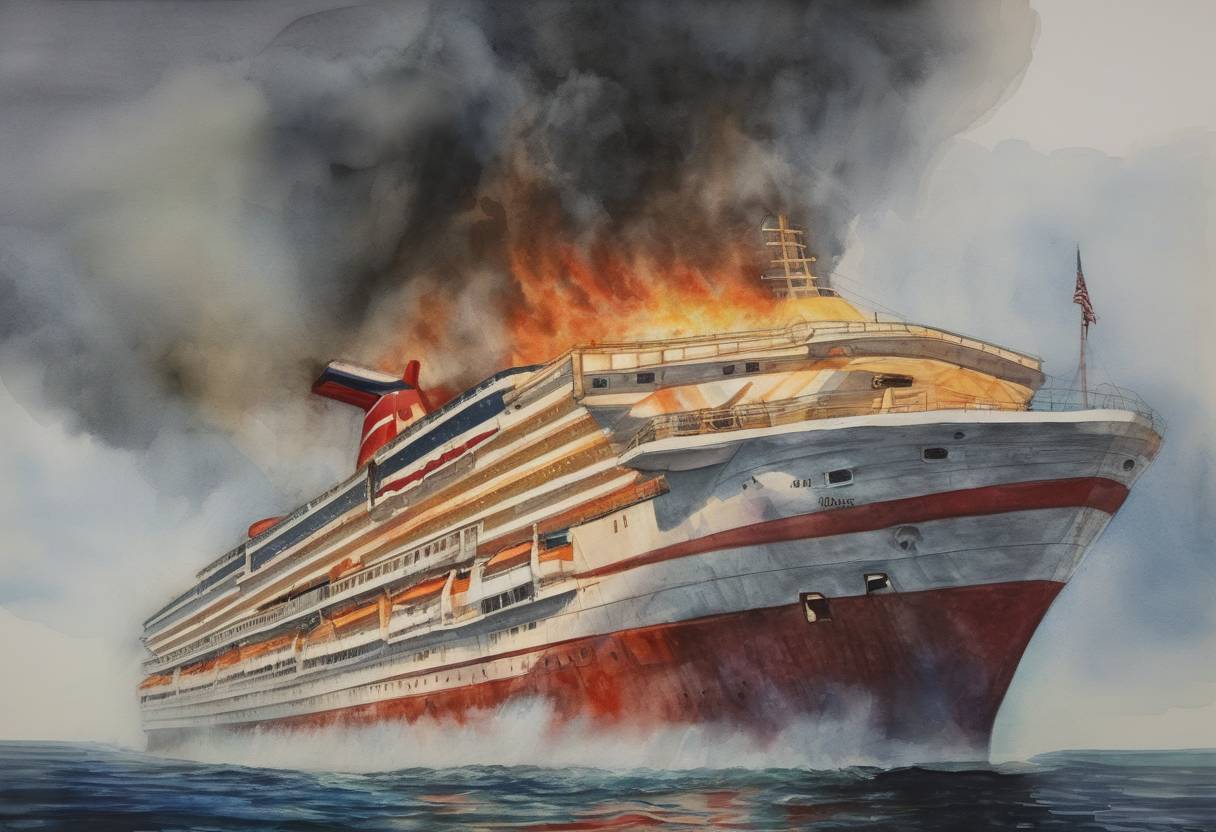
Watercolor painting based depiction of The Carnival Triumph cruise ship experienced an engine room fire, leaving it adrift in the Gulf of Mexico with more than 4,000 people on board, leading to significant media coverage and scrutiny of cruise ship safety. (2013)

Carnival Triumph Engine Room Fire - February 10, 2013

On February 10, 2013, the Carnival Triumph cruise ship experienced a significant incident that captured international media attention and raised concerns about cruise ship safety. The ship, operated by Carnival Cruise Lines, suffered an engine room fire while sailing in the Gulf of Mexico. This event left the vessel adrift with more than 4,000 passengers and crew members on board.

Background

The Carnival Triumph was on a four-day cruise that departed from Galveston, Texas, on February 7, 2013. The itinerary included stops in Cozumel, Mexico, before returning to Galveston. The ship was a part of Carnival’s fleet, known for offering leisure cruises with various amenities and entertainment options.

The Incident

  • Date and Location: The fire occurred on February 10, 2013, while the ship was in the Gulf of Mexico, approximately 150 miles off the coast of the Yucatán Peninsula.
  • Cause: The fire originated in the engine room, disabling the ship’s propulsion system and leaving it without power.
  • Immediate Impact: The loss of power affected essential systems, including air conditioning, sewage, and food preparation facilities. This led to challenging conditions on board, with reports of unsanitary conditions and limited access to food and water.

Response and Rescue

  • Tugboats: After the fire, tugboats were dispatched to tow the Carnival Triumph to port. The ship was eventually towed to Mobile, Alabama, arriving on February 14, 2013.
  • Passenger Experience: Passengers endured difficult conditions during the four-day tow, with many sleeping on deck to escape the heat and using makeshift facilities due to the lack of functioning toilets.

Aftermath and Consequences

  • Media Coverage: The incident received extensive media coverage, often referred to as the “Carnival Triumph disaster” or “poop cruise” due to the unsanitary conditions.
  • Safety Scrutiny: The event prompted scrutiny of cruise ship safety standards and emergency preparedness. It led to discussions about the need for improved safety measures and regulations in the cruise industry.
  • Carnival’s Response: Carnival Cruise Lines offered compensation to passengers, including refunds, future cruise credits, and reimbursement for travel expenses. The company also conducted a review of its fleet’s safety protocols.

Broader Significance

The Carnival Triumph incident highlighted vulnerabilities in cruise ship operations, particularly concerning emergency response and passenger safety. It underscored the importance of robust safety measures and the need for the cruise industry to address potential risks associated with large passenger vessels.

The event served as a catalyst for regulatory bodies and cruise operators to re-evaluate safety standards, ensuring better preparedness for similar incidents in the future.

Source: www.cnn.com