Dissolution of the Union Between Norway and Sweden - June 7, 1905
1905 · Kristiania (now Oslo), Norway
Norway's parliament, the Storting, dissolved the union with Sweden.
February 11, 1895
The lowest recorded temperature in Norway's history, −51.4 °C, was recorded in Karasjok, Finnmark County.
Karasjok, Norway
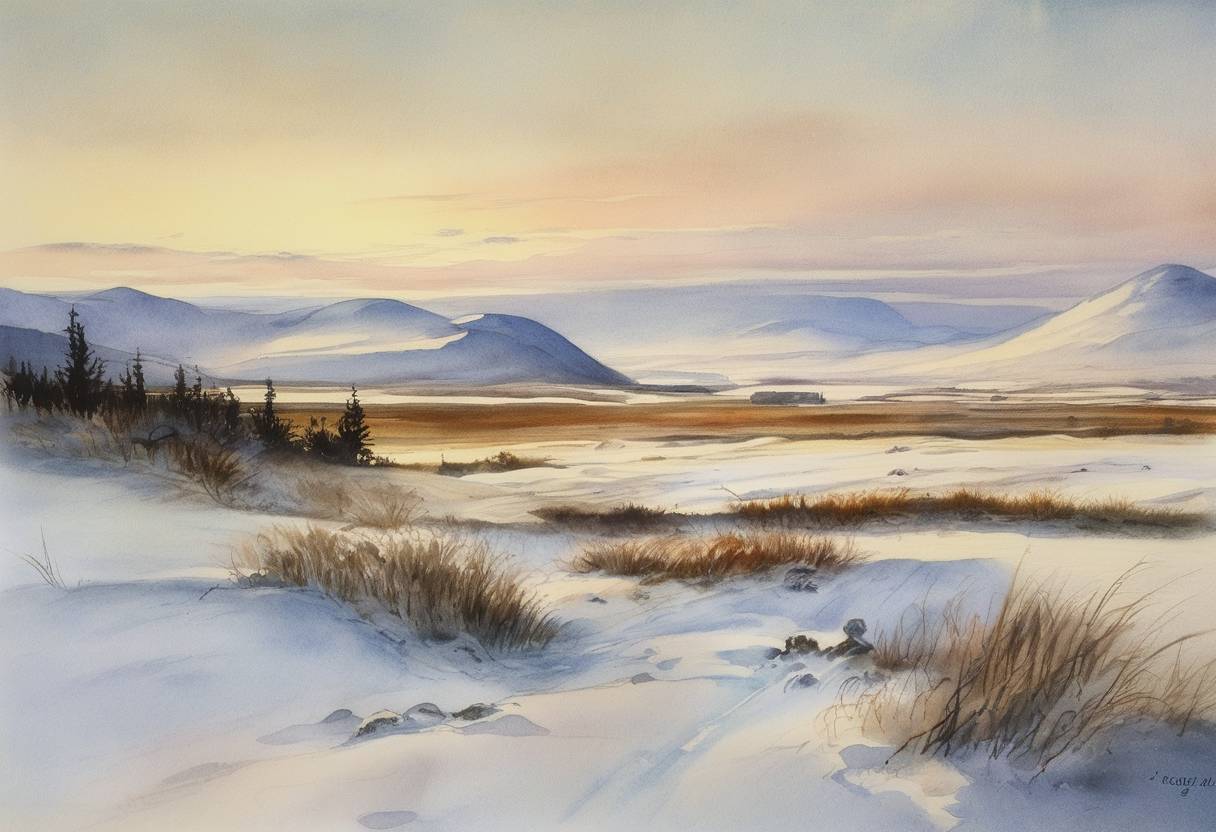
On February 11, 1895, Norway experienced its lowest recorded temperature when the mercury dropped to an astonishing −51.4 °C in Karasjok, a municipality located in Finnmark County. This event stands as a significant meteorological milestone in Norwegian history.
Geographical Setting: Karasjok is situated in the northern part of Norway, within the Arctic Circle, characterized by its subarctic climate. Winters are long and harsh, with short, cold days and extensive periods of darkness. Historically, this region has recorded some of the coldest temperatures in the country.
Meteorological Conditions: The late 19th century was a period known for its colder climatic phases, often referred to as part of the “Little Ice Age.” During this time, global temperatures were generally lower, contributing to extreme weather events.
The recorded temperature of −51.4 °C on this day was the result of a combination of geographical factors and prevailing weather conditions. An influx of cold, arctic air and a lack of cloud cover contributed to the frigid temperatures. The clear skies allowed heat to escape from the surface, leading to rapid cooling.
Impact on Local Population: The population of Karasjok, mainly comprised of the indigenous Sámi people, was accustomed to severe weather conditions. However, such extreme cold posed challenges in daily life, affecting transportation, communication, and living conditions.
Meteorological Significance: This record remains a benchmark in the study of Norwegian climatology and highlights the capacity for extreme cold conditions in the northern latitudes.
Modern Observations: Despite advancements in meteorological science and technology, this record still stands today, underscoring its extraordinariness.
Karasjok’s historic temperature record on February 11, 1895, highlights both the region’s climatic extremes and the resilience of its inhabitants in adapting to its harsh environment.
Source: www.nrk.no