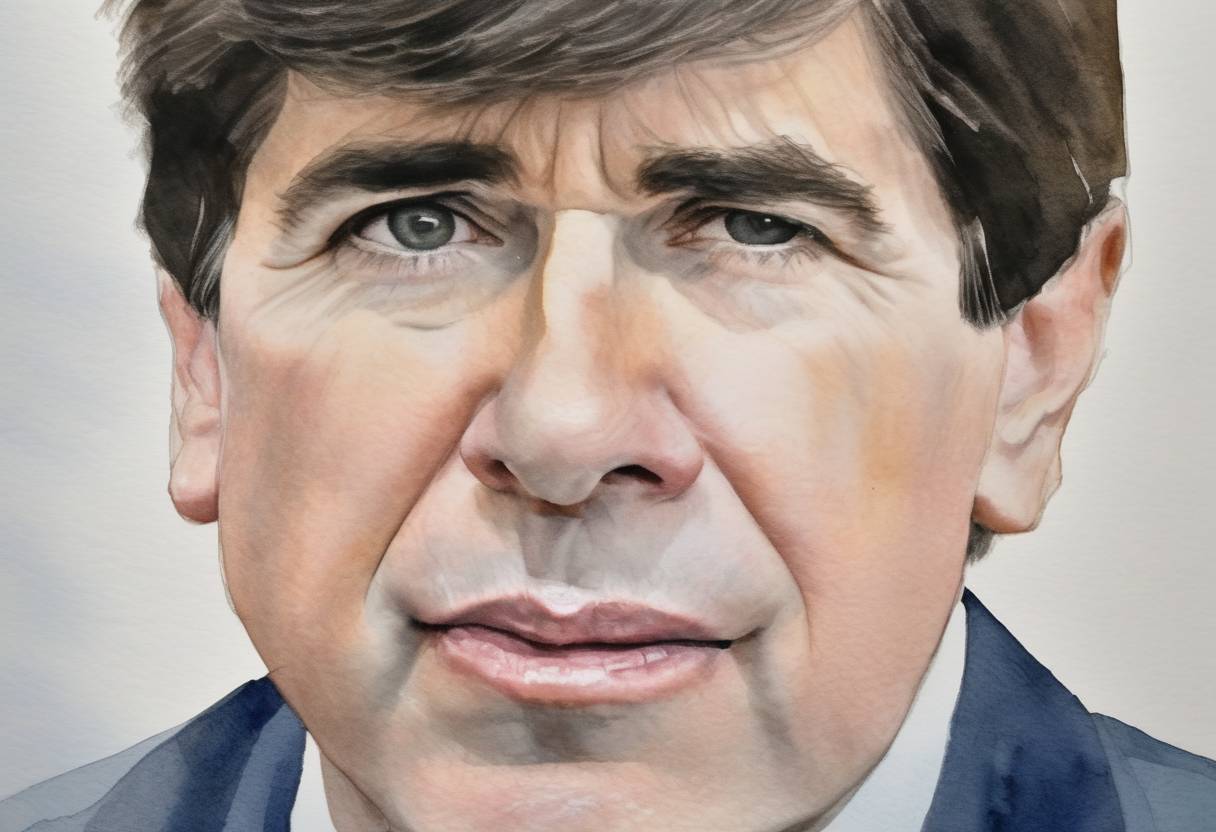
Arrest of Illinois Governor Rod Blagojevich on December 9, 2008
On December 9, 2008, Illinois Governor Rod Blagojevich was arrested on federal corruption charges, marking a significant moment in American political history. The arrest was part of a larger investigation into political corruption in Illinois, which had been ongoing for several years.
Background
Rod Blagojevich, a Democrat, was elected as the 40th Governor of Illinois in 2002 and re-elected in 2006. His tenure was marred by allegations of corruption and unethical practices. The investigation into Blagojevich’s activities was part of a broader effort by federal authorities to address corruption in Illinois politics, which had a long history of such issues.
Key Allegations
The most sensational charge against Blagojevich was his alleged attempt to sell or trade the U.S. Senate seat vacated by Barack Obama, who had been elected President of the United States in November 2008. According to federal prosecutors, Blagojevich was caught on wiretaps discussing how he could benefit personally from appointing someone to the Senate seat. The charges included:
- Soliciting Bribes: Blagojevich allegedly sought financial benefits, campaign contributions, and other personal gains in exchange for political appointments.
- Conspiracy to Commit Mail and Wire Fraud: The governor was accused of using his position to solicit bribes and kickbacks.
- Attempted Extortion: Blagojevich was also charged with attempting to extort the Chicago Tribune to fire editorial board members critical of him in exchange for state assistance in the sale of Wrigley Field, owned by the Tribune Company.
Arrest and Legal Proceedings
Blagojevich was arrested at his home in Chicago by federal agents. The arrest was announced by U.S. Attorney Patrick Fitzgerald, who described the governor’s actions as a “political corruption crime spree.” The charges were based on extensive wiretaps and surveillance conducted by the FBI.
Following his arrest, Blagojevich was impeached by the Illinois House of Representatives and subsequently removed from office by the Illinois Senate in January 2009. He was the first Illinois governor to be impeached and removed from office.
Trial and Conviction
Blagojevich’s trial began in 2010, and he was convicted on multiple counts of corruption, including wire fraud and attempted extortion. In December 2011, he was sentenced to 14 years in federal prison. His conviction underscored the pervasive issue of political corruption in Illinois and served as a cautionary tale for public officials.
Aftermath
Blagojevich served nearly eight years of his sentence before his sentence was commuted by President Donald Trump in February 2020. His arrest and conviction had significant political ramifications in Illinois, leading to increased scrutiny of political practices and reforms aimed at curbing corruption.
The case of Rod Blagojevich remains a prominent example of political corruption in the United States, highlighting the importance of transparency and accountability in public office.