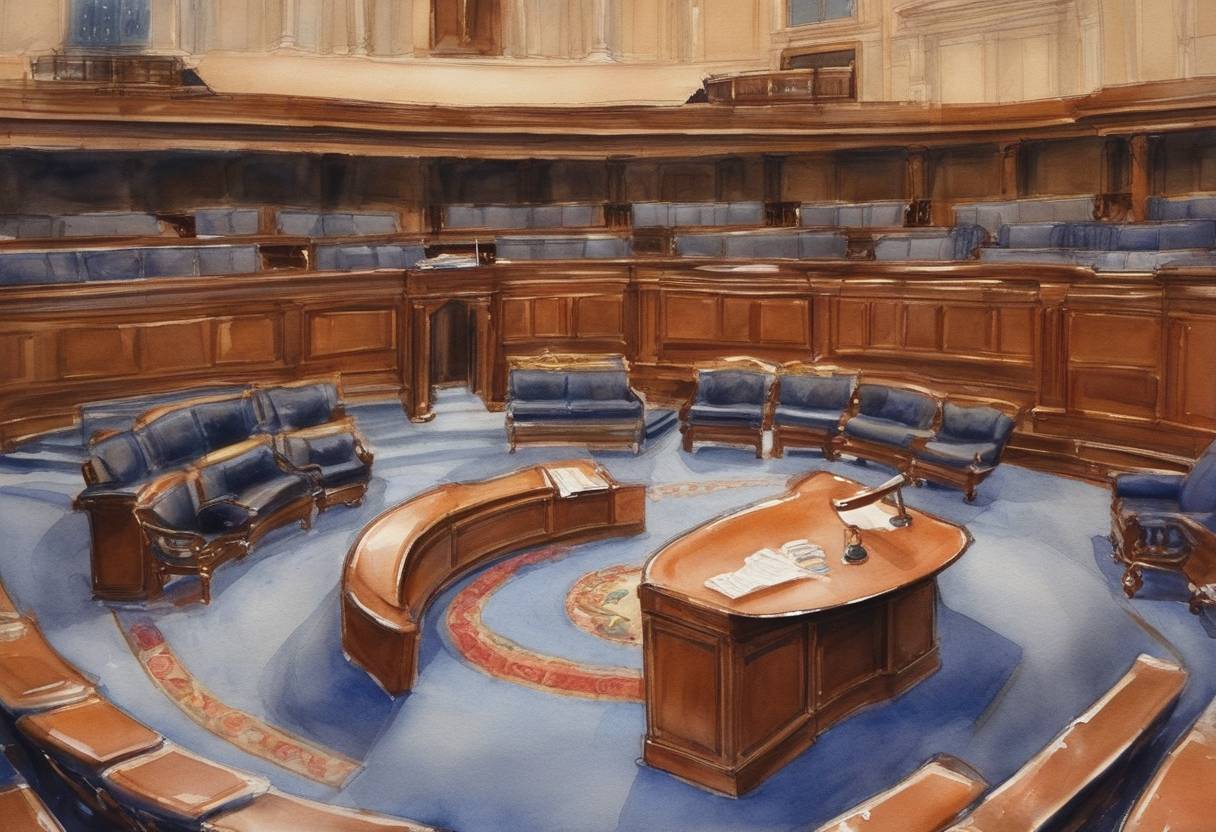
The PROTECT Act Passed by the U.S. House of Representatives on April 10, 2003
On April 10, 2003, the United States House of Representatives passed the PROTECT Act (Prosecutorial Remedies and Other Tools to end the Exploitation of Children Today Act) aimed at preventing child sexual abuse and exploitation. This significant piece of legislation introduced enhanced criminal penalties and preventive measures to address and combat the evolving dynamics of child exploitation.
Key Provisions and Features
Tougher Penalties: The PROTECT Act established stricter sentencing guidelines for crimes involving child pornography and sexual exploitation. It included mandatory minimum sentences for sexual offenses against minors.
Amber Alert System: One of the hallmark features of the Act was the formal establishment of the national AMBER Alert system. This system was designed to quickly disseminate information about abducted children to the public via media broadcasts and other alert systems, thereby increasing the chances of locating and safely recovering the child.
Preventive Measures: The Act included measures to prevent abuse, such as strengthening law enforcement tools to track and prosecute those involved in child exploitation. It also enhanced coordination between various jurisdictions to better handle cases that cross state lines.
Restricted Defenses: It limited the defenses available to persons accused of child pornography offenses, specifically targeting those who claimed they were unaware of the age of the child depicted in such materials.
Increased Surveillance: The law provided for increased surveillance and tracking of sex offenders, aiding law enforcement efforts to monitor activities that could lead to exploitation.
Context and Significance
The passage of the PROTECT Act was a response to increasing public concern and advocacy around child protection and the exploitation facilitated by the internet and other media. It represented a comprehensive federal effort to enhance legal protections for children and respond to growing threats posed by technological advancements that facilitate exploitation.
The legislation was part of a broader national and international movement to address crimes against children, resonating with efforts to ensure that all children enjoy their right to safety and protection under the law. Its focus on both prevention and punitive measures marked a significant policy shift towards zero tolerance for child exploitation.
The bipartisan support for the Act underscored the universal recognition of the need to aggressively confront the crimes of child exploitation. The PROTECT Act has had a lasting impact on the approach taken by U.S. law enforcement and the judicial system in addressing the multifaceted issues related to child sexual abuse and exploitation.