Georgia Ratifies the United States Constitution
1788 · Savannah, United States
Georgia ratified the United States Constitution, becoming the fourth state to join the Union.
January 4, 1754
Colony of Georgia reverses its ban on slavery, leading to significant changes in its labor system and economy.
Savannah, Colony of Georgia | Trustees for Establishing the Colony of Georgia
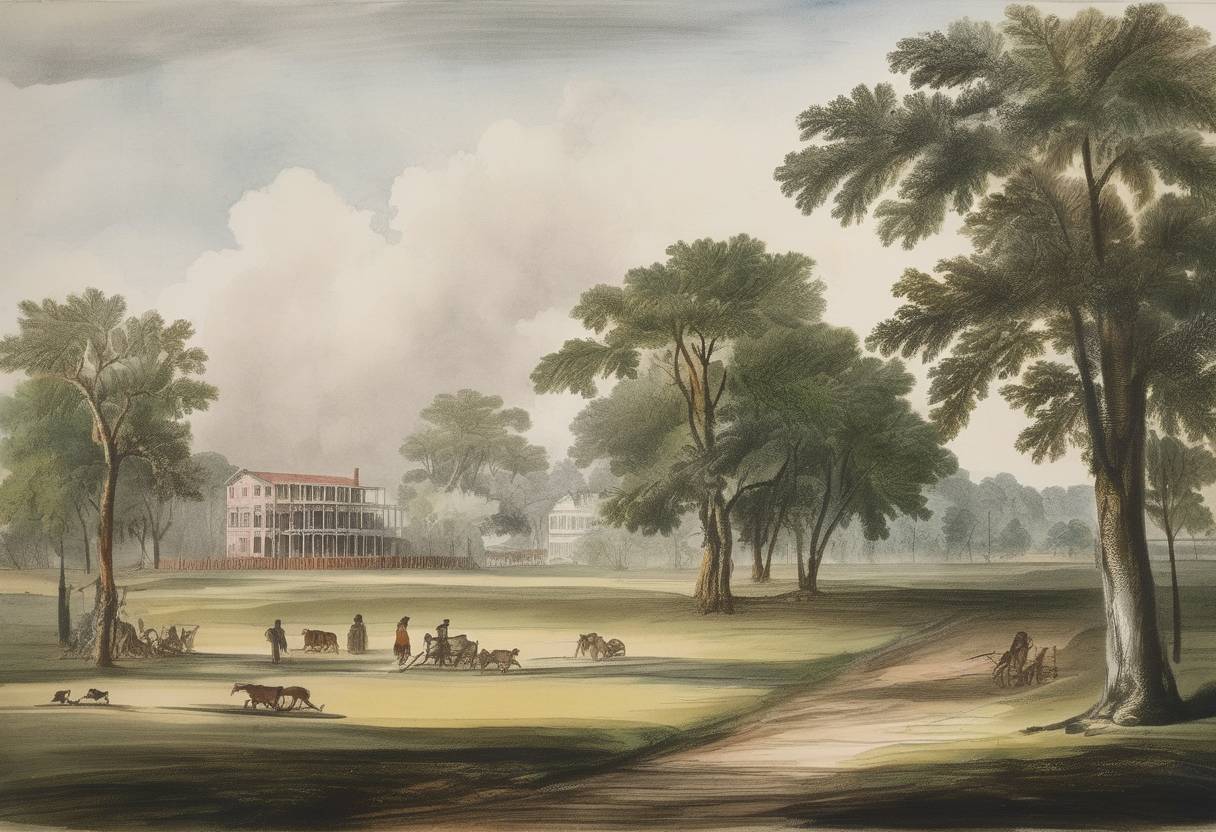
The Colony of Georgia, originally founded in 1732 with a set of progressive ideals, initially banned slavery as part of its charter under founder James Oglethorpe and the Trustees of the colony. This intention was to create a buffer state between South Carolina and Spanish Florida and to provide a place for the worthy poor of England, avoiding the reliance on enslaved labor evident in neighboring colonies.
However, by January 4, 1754, Georgia’s trustees had reversed this ban on slavery, significantly altering the colony’s labor systems and economic development. Several factors contributed to this change:
Economic Pressures: Georgia’s initial economic model, based on small-scale agriculture and the production of silk and wine, failed to bring the expected prosperity. Unlike its neighbors, Georgia could not capitalize on lucrative cash crops like rice and indigo without a labor force comparable to South Carolina’s plantations, which heavily relied on enslaved African labor.
Colonial Pressure and Advocacy: Colonists, especially from neighboring states, pressured the Trustees to allow slavery, arguing that it would increase Georgia’s competitiveness and prosperity. Many settlers wanted to expand into rice and indigo production and saw enslaved labor as essential.
Economic Transformation: The repeal of the prohibition on slavery led to the rapid development of a plantation economy in Georgia. It facilitated the growth of thriving agricultural markets, which became increasingly dependent on enslaved labor.
Social Dynamics: This decision entrenched slavery within Georgia’s societal and economic framework, creating deep and lasting racial and social hierarchies.
Broader Implications: The change reflected broader colonial and economic trends in North America, where the demand for cheap labor to support agricultural expansion led to increased reliance on enslaved African populations.
The reversal of the slavery ban in Georgia on January 4, 1754, thus transformed the colony’s economic landscape, aligning it with the plantation economies of the South. This change would have enduring implications, contributing to the systemic entrenchment of slavery in the United States until the Civil War.
Source: en.wikipedia.org