Louis XIV Becomes King of France
1643 · Paris, France
Louis XIV became King of France at the age of four after the death of his father, Louis XIII.
May 30, 1574
Henry III became King of France following the death of his brother, Charles IX.
Paris, France | French monarchy
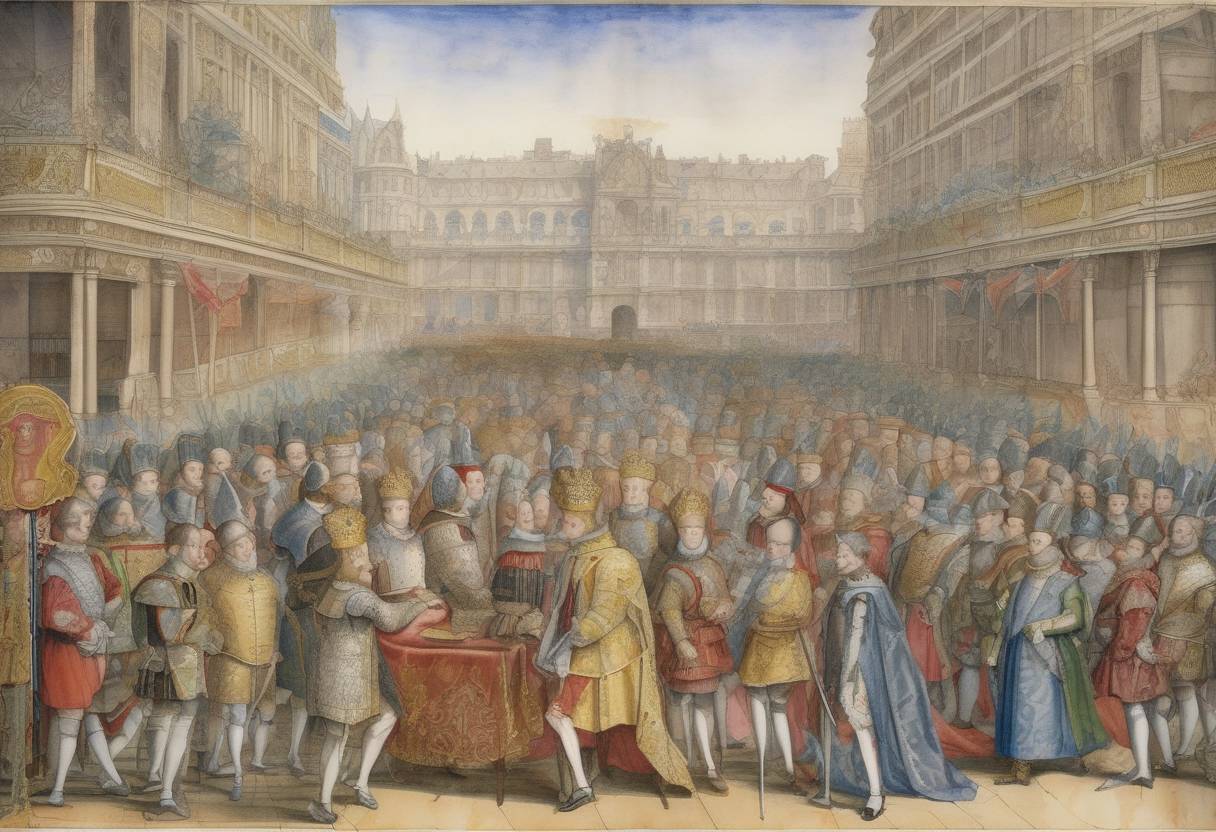
On May 30, 1574, Henry III ascended to the French throne following the death of his brother, King Charles IX. This transition marked a significant moment in the turbulent period of the French Wars of Religion, a series of conflicts primarily between Catholics and Huguenots (French Protestants) that plagued France during the latter half of the 16th century.
Charles IX’s Reign: Charles IX became king in 1560, at the age of ten, after the death of his elder brother, Francis II. His reign was dominated by the influence of his mother, Catherine de’ Medici, and was marred by religious conflict, including the infamous St. Bartholomew’s Day Massacre in 1572, where thousands of Huguenots were killed in Paris and across France.
Henry’s Background: Born on September 19, 1551, Henry was the fourth son of King Henry II of France and Catherine de’ Medici. Before becoming king of France, he was elected King of Poland and Grand Duke of Lithuania in 1573, a position he held briefly before returning to France upon his brother’s death.
Charles IX’s Death: Charles IX died at the age of 23, likely from tuberculosis, leaving no male heir. His death paved the way for Henry, who was next in line, to become king.
Henry’s Return to France: Upon receiving news of his brother’s death, Henry left Poland and returned to France to assume the throne. His departure from Poland was abrupt, and he faced criticism for abandoning his duties there.
Challenges: Henry III’s reign was fraught with challenges, including ongoing religious wars, political instability, and financial difficulties. His attempts to balance power between the Catholic League and the Huguenots often led to dissatisfaction from both sides.
Political Maneuvering: Known for his diplomatic skills, Henry III sought to strengthen the monarchy and restore peace through various edicts and negotiations, though with limited success.
Assassination and Legacy: Henry III’s reign ended with his assassination in 1589 by a Catholic fanatic, Jacques Clément. His death marked the end of the Valois dynasty, leading to the ascension of Henry IV, the first Bourbon king of France.
Henry III’s ascension and reign were pivotal in the context of the French Wars of Religion. His efforts to navigate the complex religious and political landscape of France set the stage for the eventual resolution of these conflicts under his successor, Henry IV, who famously converted to Catholicism and issued the Edict of Nantes in 1598, granting religious tolerance to Huguenots.
Henry III’s reign is often remembered for its challenges and the king’s attempts to maintain royal authority amidst a deeply divided nation.
Source: en.wikipedia.org