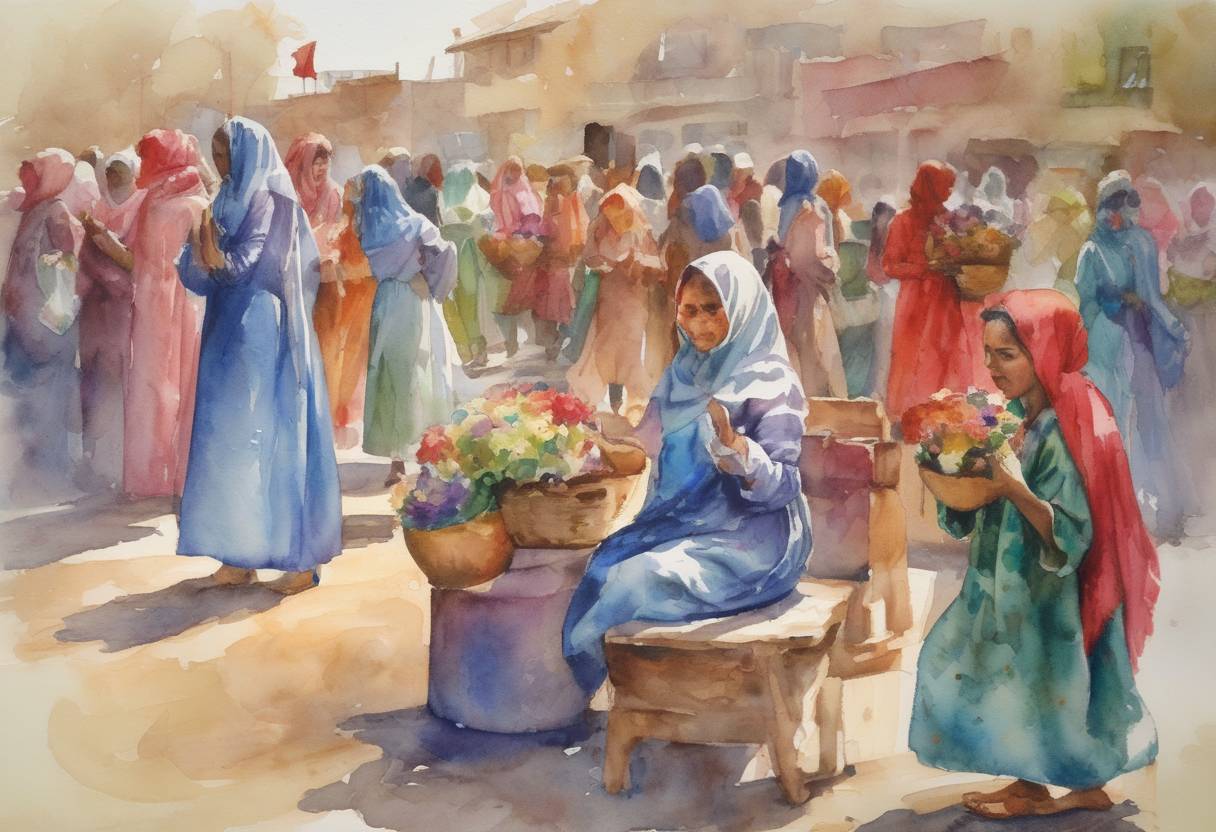
International Women’s Day: March 8, 2008
International Women’s Day (IWD) is a global day celebrating the social, economic, cultural, and political achievements of women. The day also marks a call to action for accelerating gender parity. The first official celebration of International Women’s Day as a recognized holiday in several countries took place on March 8, 2008. This marked a significant moment in the global recognition of women’s rights and contributions.
Historical Context
International Women’s Day has its roots in the early 20th century labor movements in North America and Europe. The first National Woman’s Day was observed in the United States on February 28, 1909, following a declaration by the Socialist Party of America. The idea to make the day international came from Clara Zetkin, a German Marxist theorist and activist, at the International Socialist Women’s Conference in 1910. The first International Women’s Day was celebrated in 1911 in Austria, Denmark, Germany, and Switzerland.
Significance of March 8, 2008
By 2008, International Women’s Day had become a recognized holiday in many countries around the world. On March 8, 2008, it was officially celebrated in the following countries:
- Afghanistan
- Armenia
- Azerbaijan
- Belarus
- Burkina Faso
- Cambodia
- China (where it is a holiday for women only)
- Cuba
- Georgia
- Guinea-Bissau
- Eritrea
- Kazakhstan
- Kyrgyzstan
- Laos
- Madagascar
- Moldova
- Mongolia
- Montenegro
- Nepal
- Russia
- Tajikistan
- Turkmenistan
- Uganda
- Ukraine
- Uzbekistan
- Vietnam
- Zambia
Key Aspects of the Celebration
Recognition and Celebration: The day was marked by various events celebrating women’s achievements in different fields, including politics, business, and social work.
Awareness and Advocacy: It served as a platform to raise awareness about issues such as gender equality, reproductive rights, and violence against women.
Cultural Significance: In many countries, the day is celebrated with cultural events, including performances, exhibitions, and public gatherings.
Political Engagement: Governments and organizations often use the day to announce policies or initiatives aimed at improving gender equality.
Broader Historical Significance
The official recognition of International Women’s Day in these countries in 2008 underscored the growing global commitment to gender equality and women’s rights. It highlighted the progress made in various regions while also drawing attention to the ongoing challenges women face worldwide. The day continues to serve as a reminder of the importance of collective action and shared responsibility in driving change for women.
Conclusion
International Women’s Day on March 8, 2008, marked a pivotal moment in the global acknowledgment of women’s contributions and the ongoing struggle for gender equality. It remains a day of reflection on progress made, a call for change, and a celebration of acts of courage and determination by ordinary women who have played an extraordinary role in the history of their countries and communities.