Molucca Sea Earthquake - September 30, 2019
2019 · Ambon, Indonesia
A powerful earthquake struck the Molucca Sea in Indonesia, causing significant damage and resulting in casualties.
September 28, 2018
A powerful earthquake and tsunami struck the island of Sulawesi in Indonesia, causing widespread devastation and loss of life. The disaster resulted in over 4,000 deaths and significant damage to infrastructure.
Palu, Indonesia | Indonesian government
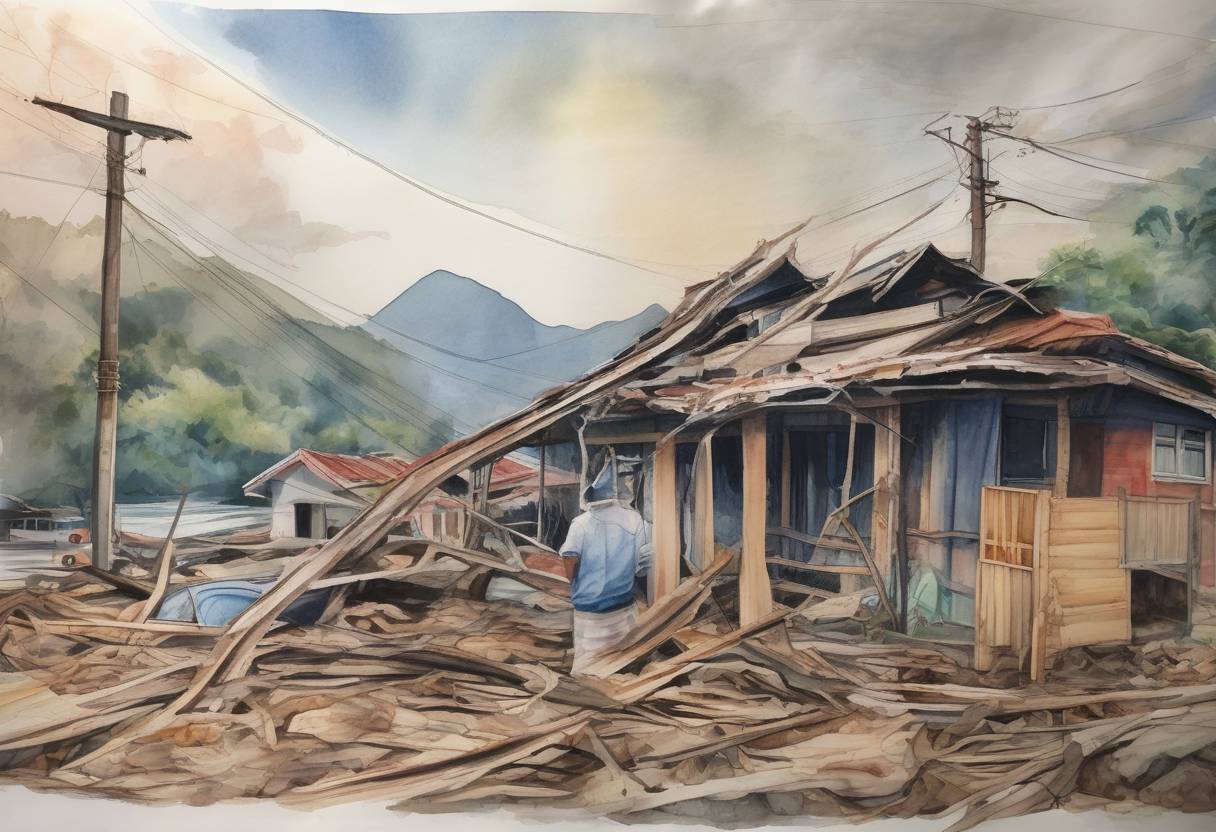
On September 28, 2018, a devastating natural disaster struck the island of Sulawesi in Indonesia, resulting in widespread destruction and a tragic loss of life. This event was characterized by a powerful earthquake followed by a tsunami, which together caused significant damage to the region.
Magnitude and Epicenter: The earthquake was a magnitude 7.5, with its epicenter located near the town of Donggala, in Central Sulawesi. It occurred at a depth of approximately 10 kilometers (6.2 miles), making it a shallow and therefore more destructive quake.
Timing: The earthquake struck in the late afternoon, around 6:02 PM local time, which contributed to the challenges in immediate response and evacuation efforts.
Trigger and Impact: The earthquake triggered a tsunami that struck the coastal city of Palu and surrounding areas. The waves reportedly reached heights of up to 6 meters (approximately 20 feet), sweeping away buildings, vehicles, and people.
Speed and Surprise: The tsunami waves arrived with little warning, catching many residents by surprise and complicating evacuation efforts. The speed and force of the waves exacerbated the destruction caused by the earthquake.
Casualties and Damage: The disaster resulted in over 4,000 deaths, with thousands more injured. Many people were reported missing in the aftermath. The infrastructure damage was extensive, with homes, roads, and bridges destroyed or severely damaged.
Humanitarian Response: The Indonesian government, along with international aid organizations, launched a significant humanitarian response to provide relief to the affected areas. Efforts included search and rescue operations, medical assistance, and the provision of food, water, and shelter to survivors.
Geological Context: Indonesia is located on the Pacific Ring of Fire, an area with a high frequency of earthquakes and volcanic activity. This disaster highlighted the vulnerabilities of communities living in such seismically active regions.
Lessons and Preparedness: The Sulawesi earthquake and tsunami underscored the importance of disaster preparedness and early warning systems. It prompted discussions on improving infrastructure resilience and emergency response strategies in Indonesia and other similar regions.
In summary, the Sulawesi earthquake and tsunami of September 28, 2018, was a catastrophic event that had profound impacts on the affected communities. It serves as a somber reminder of the power of natural forces and the ongoing need for effective disaster management and preparedness.
Source: www.bbc.com