Recognition of the People's Republic of China by the United Kingdom
1950 · London, United Kingdom
The United Kingdom recognizes the People's Republic of China.
February 1, 1924
The United Kingdom recognizes the Soviet Union.
London, United Kingdom | British Government
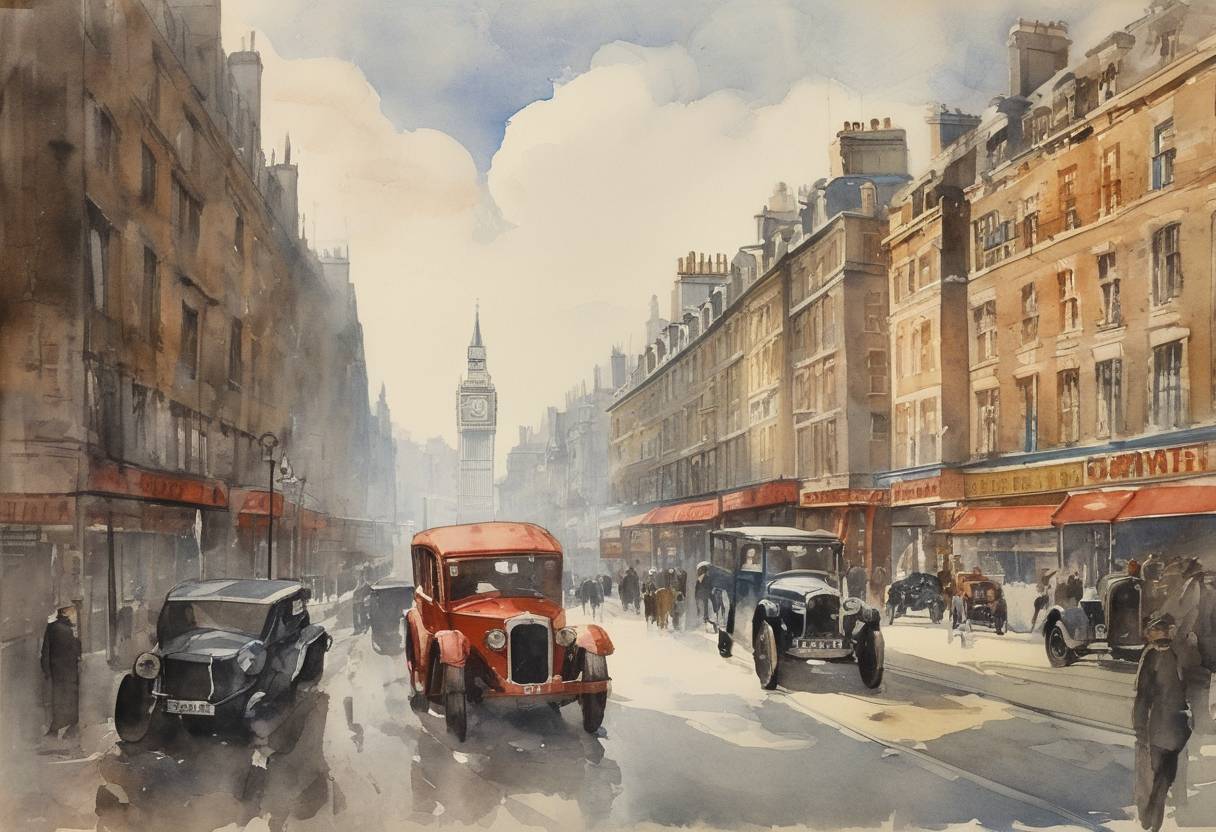
On February 1, 1924, the United Kingdom formally recognized the Soviet Union, marking a significant shift in international relations following the Russian Revolution of 1917. This recognition was a pivotal moment in the post-World War I geopolitical landscape and had lasting implications for both countries and the broader international community.
Russian Revolution and Civil War: The Bolshevik Revolution in October 1917 led to the establishment of a communist government in Russia. The subsequent Russian Civil War (1917-1922) saw the Bolsheviks (Reds) fighting against various anti-Bolshevik forces (Whites). The Bolsheviks eventually emerged victorious, solidifying their control over Russia.
International Isolation: Following the revolution, the Soviet government faced significant international isolation. Many Western countries, including the UK, were initially hostile to the Bolshevik regime due to its repudiation of Tsarist debts and its promotion of communist ideology.
Changing Political Climate in the UK: By the early 1920s, the political climate in the UK began to shift. The Labour Party, which had a more sympathetic view towards the Soviet Union compared to the Conservative Party, gained influence. Ramsay MacDonald became the first Labour Prime Minister in January 1924, shortly before the recognition.
Diplomatic Negotiations: Prior to formal recognition, there were several rounds of negotiations between British and Soviet representatives. These discussions focused on issues such as trade, diplomatic relations, and the settlement of outstanding financial claims.
Formal Recognition: On February 1, 1924, the UK government officially recognized the Soviet Union. This decision was largely driven by pragmatic considerations, including the potential for increased trade and the desire to stabilize relations in Europe.
Economic and Diplomatic Relations: Recognition paved the way for the establishment of formal diplomatic relations and the negotiation of trade agreements. This helped to integrate the Soviet Union into the international economic system, albeit gradually.
Impact on International Relations: The UK’s recognition of the Soviet Union set a precedent for other Western nations, many of which followed suit in the subsequent years. It marked a step towards the normalization of relations between the Soviet Union and the Western world.
Domestic Reactions: The decision was met with mixed reactions within the UK. While some viewed it as a necessary step towards peace and stability, others criticized it as an endorsement of a regime they considered illegitimate and oppressive.
The recognition of the Soviet Union by the United Kingdom was a crucial moment in the interwar period, reflecting the complex interplay of ideology, economics, and diplomacy. It highlighted the pragmatic considerations that often underpin international relations, even in the face of ideological differences. This event also foreshadowed the eventual inclusion of the Soviet Union as a major player on the global stage, particularly during and after World War II.
Source: en.wikipedia.org