Firebombing of Tokyo - March 9-10, 1945
1945 · Tokyo, Japan
The United States conducted a massive firebombing raid on Tokyo, Japan, during World War II, resulting in extensive destruction and loss of life.
September 2, 1987
In Tokyo, Japan, the 50th Streetcar letter of protest against racial discrimination was published.
Tokyo, Japan
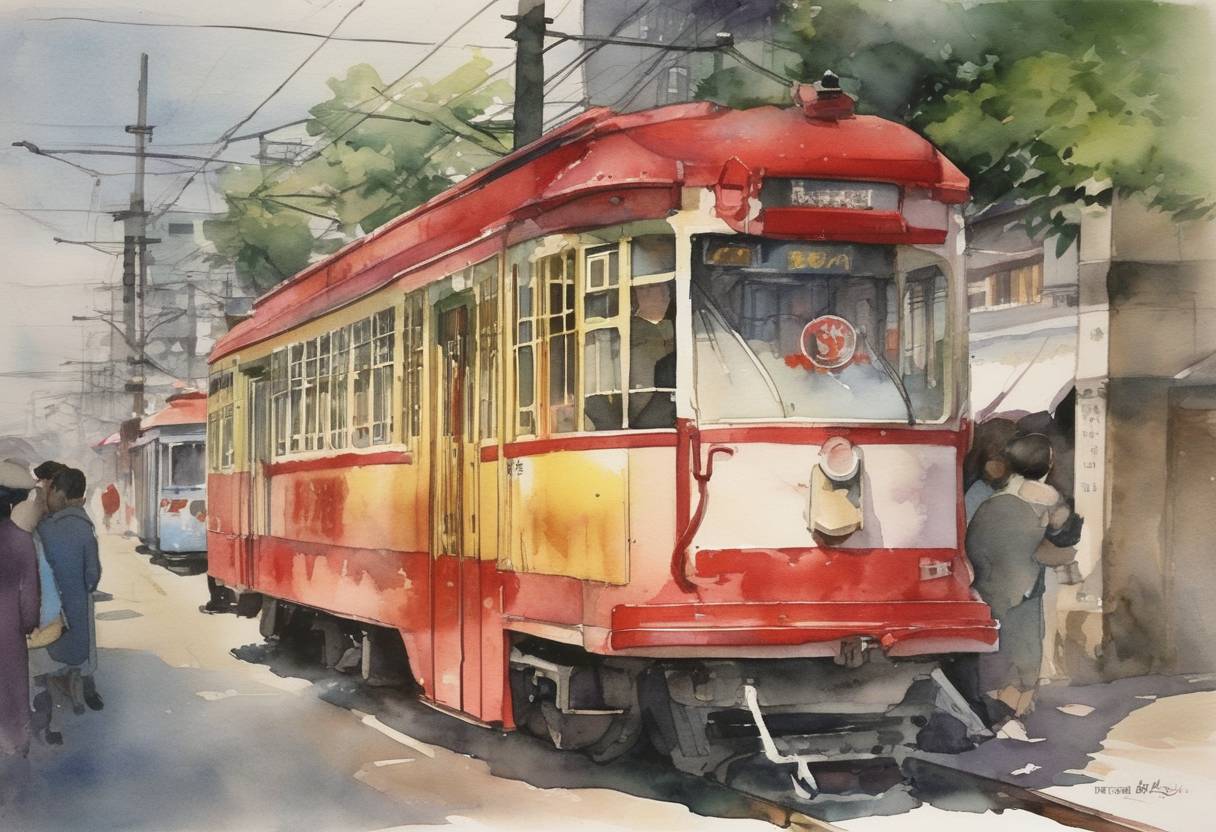
On September 2, 1987, Tokyo, Japan, witnessed the publication of the 50th Streetcar letter of protest, a pivotal moment in the ongoing struggle against racial discrimination. This event marked a significant cultural and social movement primarily aimed at addressing and confronting instances of prejudice and racism prevalent in Japanese society.
The Streetcar letters, a series of essays and reports, were initiated by a group of writers and activists who sought to highlight and challenge the systemic racial discrimination faced by both foreign nationals and ethnic minorities in Japan. The name “Streetcar” refers metaphorically to the visible yet overlooked prejudices that existed openly in public spaces, symbolized by everyday journeys and interactions.
Awareness and Advocacy: The letters served as a platform to raise awareness about issues of racial discrimination, which included limited access to services for foreigners, discriminatory practices in housing and employment, and racial profiling.
Public Engagement: By publishing these letters, activists aimed to engage the wider public in dialogue, encouraging both Japanese citizens and foreign residents to reflect on societal attitudes toward race.
Collective Activism: The movement was characterized by a collective effort from a diverse group of individuals who shared a vision of an inclusive and equitable society. Their collaboration underscored the intersectional nature of the fight against discrimination.
The 50th publication of a Streetcar letter was particularly symbolic, signifying the persistence and determination of those challenging discrimination. Over time, these letters contributed to a gradual shift in public consciousness concerning racial equality in Japan. While progress has been slow and challenges remain, the Streetcar letters remain an important cultural artifact, highlighting the power of organized, grassroots efforts in pushing for social change.
These protest letters continued to inspire subsequent generations of activists and played a role in informing policy debates around immigration, citizenship rights, and anti-discrimination laws in Japan. The legacy of these letters underscores the continuing need for vigilance and activism in the face of racial inequality.
Source: en.wikipedia.org