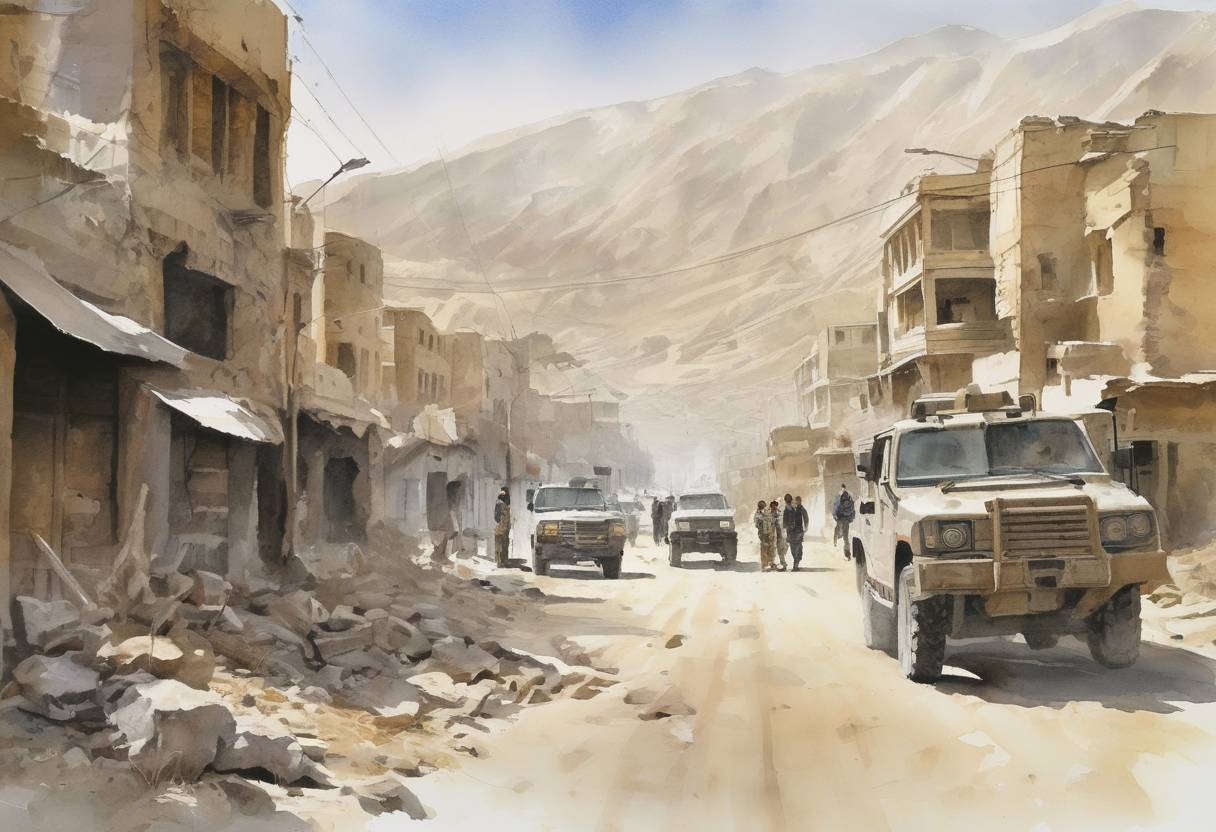
The Fall of Kabul: November 13, 2001
On November 13, 2001, a pivotal moment occurred in the U.S.-led invasion of Afghanistan when the Taliban regime abandoned the capital city of Kabul. This event marked a significant turning point in the conflict that followed the September 11 attacks in the United States.
Context Leading Up to the Event
September 11 Attacks: The terrorist attacks on September 11, 2001, orchestrated by al-Qaeda, prompted the United States to initiate Operation Enduring Freedom. The primary goal was to dismantle al-Qaeda and remove the Taliban from power, as they had provided sanctuary to the terrorist group.
Initial Military Campaign: The U.S. and its allies began military operations in Afghanistan on October 7, 2001. The campaign involved airstrikes and support for anti-Taliban forces, primarily the Northern Alliance, a coalition of Afghan groups opposed to the Taliban.
Northern Alliance Advances: With U.S. air support, the Northern Alliance made significant territorial gains against the Taliban, capturing key cities such as Mazar-i-Sharif and Herat in early November 2001.
The Abandonment of Kabul
Taliban Withdrawal: By November 12, 2001, the Taliban’s hold on Kabul was weakening. Facing mounting pressure from advancing Northern Alliance forces and relentless U.S. airstrikes, the Taliban decided to withdraw from the capital.
Entry of Northern Alliance: On November 13, 2001, Northern Alliance forces entered Kabul without encountering resistance. The swift capture of the city was a major blow to the Taliban’s control over Afghanistan.
Aftermath and Significance
Collapse of Taliban Control: The fall of Kabul signaled the rapid disintegration of Taliban control across Afghanistan. Within weeks, most of the country was under the control of U.S.-backed forces.
Interim Government Formation: The Bonn Agreement, signed in December 2001, led to the establishment of an interim Afghan government, with Hamid Karzai appointed as its head. This marked the beginning of efforts to rebuild Afghanistan’s political structure.
Continued Conflict: Despite the initial success, the conflict in Afghanistan persisted, with the Taliban regrouping and launching an insurgency that would last for years.
Broader Historical Impact
U.S. Foreign Policy: The events in Afghanistan reshaped U.S. foreign policy, emphasizing counterterrorism and nation-building efforts.
Regional Dynamics: The power vacuum and subsequent instability in Afghanistan had significant implications for regional security and international relations.
The fall of Kabul on November 13, 2001, was a crucial moment in the early stages of the Afghanistan conflict, setting the stage for the complex and protracted engagement that followed.