Byzantine Iconoclasm Begins: Emperor Leo III's Decree
730 · Constantinople, Byzantine Empire
Emperor Leo III issues a decree banning the veneration of icons, marking the beginning of the Byzantine Iconoclasm.
March 21, 0717
Theodosius III, Byzantine Emperor, abdicated the throne in favor of Leo III the Isaurian, marking the beginning of the Isaurian dynasty.
Constantinople, Byzantine Empire | Byzantine Empire
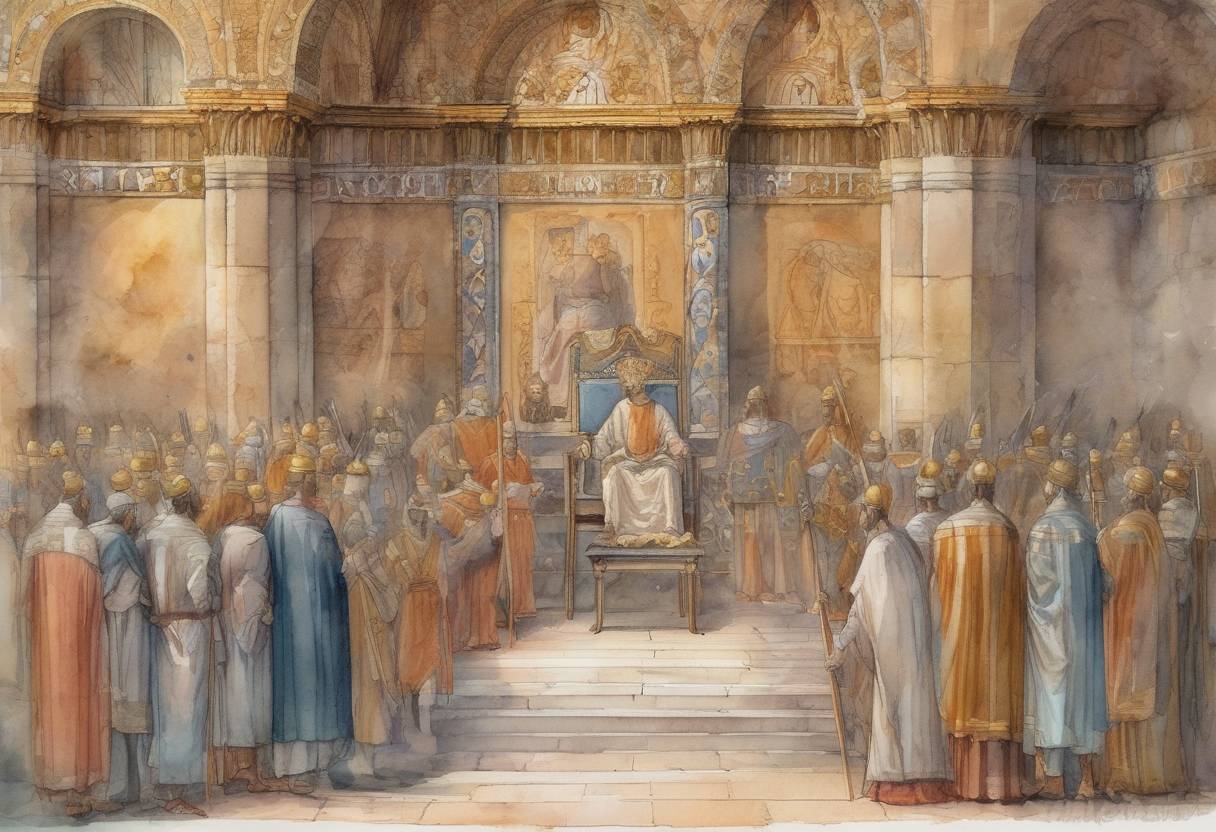
On March 21, 717, a significant transition occurred in the Byzantine Empire’s leadership, marking the end of Theodosius III’s reign and the beginning of the Isaurian dynasty under Leo III. This event was pivotal in shaping the future of the Byzantine Empire during a period of internal strife and external threats.
Theodosius III ascended to the Byzantine throne in 715 under unusual circumstances. Originally a tax collector, he was proclaimed emperor by rebellious troops in the city of Adramyttium. His reign was marked by instability and challenges, including the ongoing threat from the Umayyad Caliphate and internal dissent within the empire.
Leo III, known as Leo the Isaurian, was a skilled military leader with a reputation for competence and strategic acumen. Before his rise to power, he served as a general and was involved in defending the empire’s eastern frontiers. His military prowess and leadership qualities made him a favorable candidate for the throne during a time when strong leadership was desperately needed.
Theodosius III’s abdication on March 21, 717, was largely a peaceful transition, facilitated by the recognition of Leo III’s capabilities and the pressing need for a strong leader to address the empire’s challenges. Theodosius retired to a monastery, a common practice for deposed Byzantine emperors, which allowed for a relatively smooth transfer of power.
Leo III’s ascension marked the beginning of the Isaurian dynasty, which would have a lasting impact on the Byzantine Empire. His reign is noted for several key developments:
Military Reforms: Leo III implemented significant military reforms that strengthened the empire’s defenses, particularly against the Umayyad Caliphate, culminating in the successful defense of Constantinople during the Second Arab Siege (717-718).
Iconoclasm: Leo III initiated the controversial policy of Iconoclasm, which involved the banning and destruction of religious icons. This policy would lead to significant religious and political conflict within the empire.
Legal Reforms: He also undertook legal reforms, including the promulgation of the Ecloga, a legal code that aimed to simplify and update Byzantine law.
The transition from Theodosius III to Leo III was a turning point for the Byzantine Empire. Leo’s leadership helped stabilize the empire during a period of crisis and laid the groundwork for future successes. The Isaurian dynasty, despite its controversies, played a crucial role in the empire’s resilience and adaptation during the early medieval period.
In summary, the abdication of Theodosius III and the rise of Leo III on March 21, 717, were critical in shaping the trajectory of Byzantine history, highlighting the importance of strong leadership in times of adversity.
Source: en.wikipedia.org