Syrian Civil War Death Toll Surpasses 191,000 - August 26, 2014
2014 · Damascus, Syria
The United Nations reported that the death toll from the Syrian Civil War had surpassed 191,000 people, highlighting the severe humanitarian crisis in the region.
August 23, 2013
The United Nations confirmed the use of chemical weapons in the Ghouta area of Damascus, Syria, leading to international condemnation and discussions on military intervention.
Damascus, Syria | United Nations
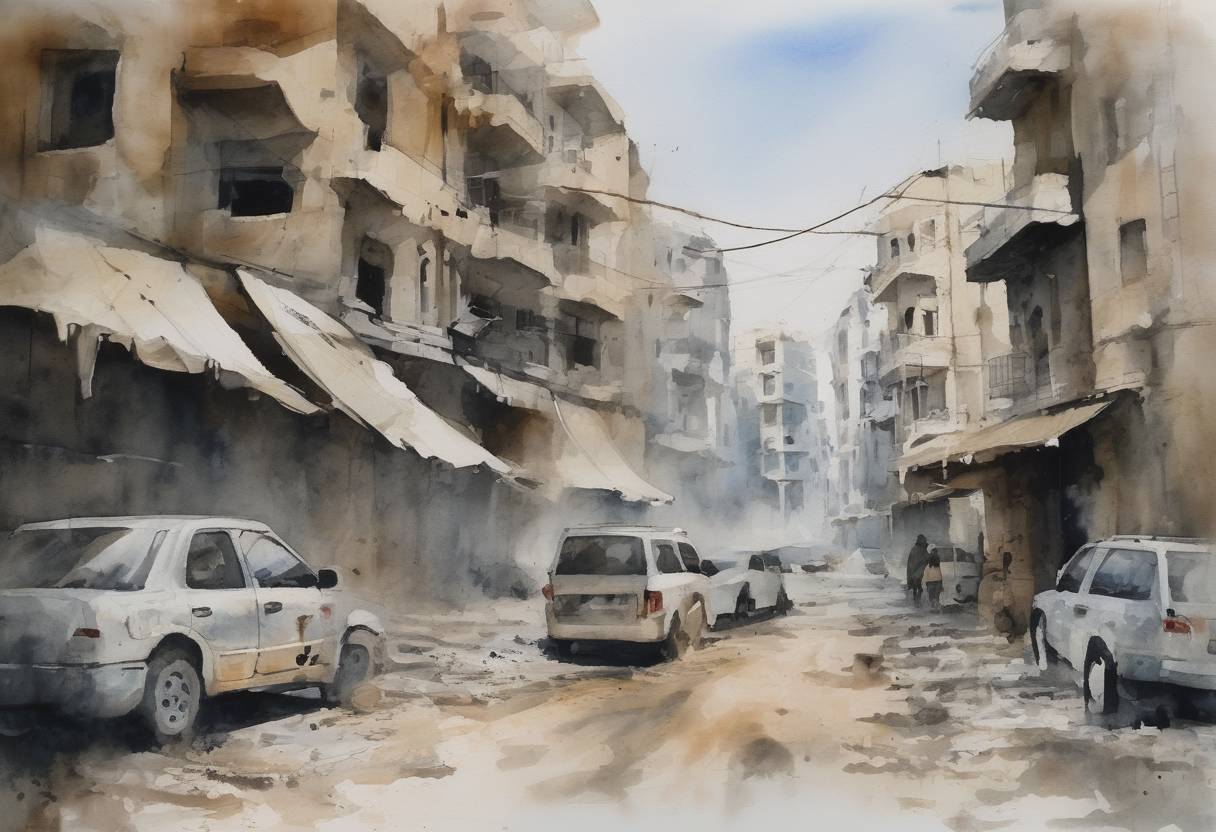
On August 23, 2013, the United Nations confirmed the use of chemical weapons in the Ghouta area of Damascus, Syria. This event marked a significant moment in the Syrian Civil War, drawing international condemnation and sparking discussions on potential military intervention.
The Syrian Civil War began in 2011, following widespread protests against the regime of President Bashar al-Assad. The conflict quickly escalated into a brutal civil war, with various factions, including the Syrian government, rebel groups, and extremist organizations, vying for control.
On August 21, 2013, reports emerged of a chemical attack in the Ghouta region, a rebel-held suburb of Damascus. The attack resulted in the deaths of hundreds of civilians, with estimates ranging from 281 to over 1,400 fatalities. The symptoms reported by victims and witnesses, such as convulsions, suffocation, and foaming at the mouth, were consistent with exposure to nerve agents, particularly sarin gas.
In response to the attack, the United Nations dispatched a team of chemical weapons inspectors to Syria. On August 23, 2013, the UN confirmed that chemical weapons had indeed been used in Ghouta. The UN report, released in September 2013, provided evidence of the use of sarin gas but did not assign blame to any party.
The confirmation of chemical weapons use led to widespread international condemnation. The United States, along with several allies, considered military intervention as a response to the breach of international norms prohibiting chemical weapons. President Barack Obama had previously stated that the use of chemical weapons would cross a “red line,” prompting potential military action.
Amidst the growing tension, a diplomatic resolution was reached. The United States and Russia brokered a deal in which Syria agreed to dismantle its chemical weapons arsenal under international supervision. This agreement averted immediate military intervention and led to Syria joining the Chemical Weapons Convention.
The Ghouta chemical attack highlighted the complexities of the Syrian conflict and the challenges of enforcing international norms. While the diplomatic resolution was seen as a success in preventing further chemical attacks, the Syrian Civil War continued, with significant humanitarian and geopolitical implications.
The event underscored the importance of international cooperation in addressing the use of weapons of mass destruction and reinforced the role of the United Nations in investigating and responding to such violations.
Overall, the Ghouta attack remains a pivotal moment in the Syrian conflict, illustrating the devastating impact of chemical warfare and the ongoing struggle for peace and accountability in the region.
Source: www.un.org