Pope Stephen I Begins His Papacy - May 12, 254
254 · Rome, Roman Empire
Pope Stephen I begins his papacy.
November 21, 0235
Pope Anterus begins his papacy.
Rome, Roman Empire | Catholic Church
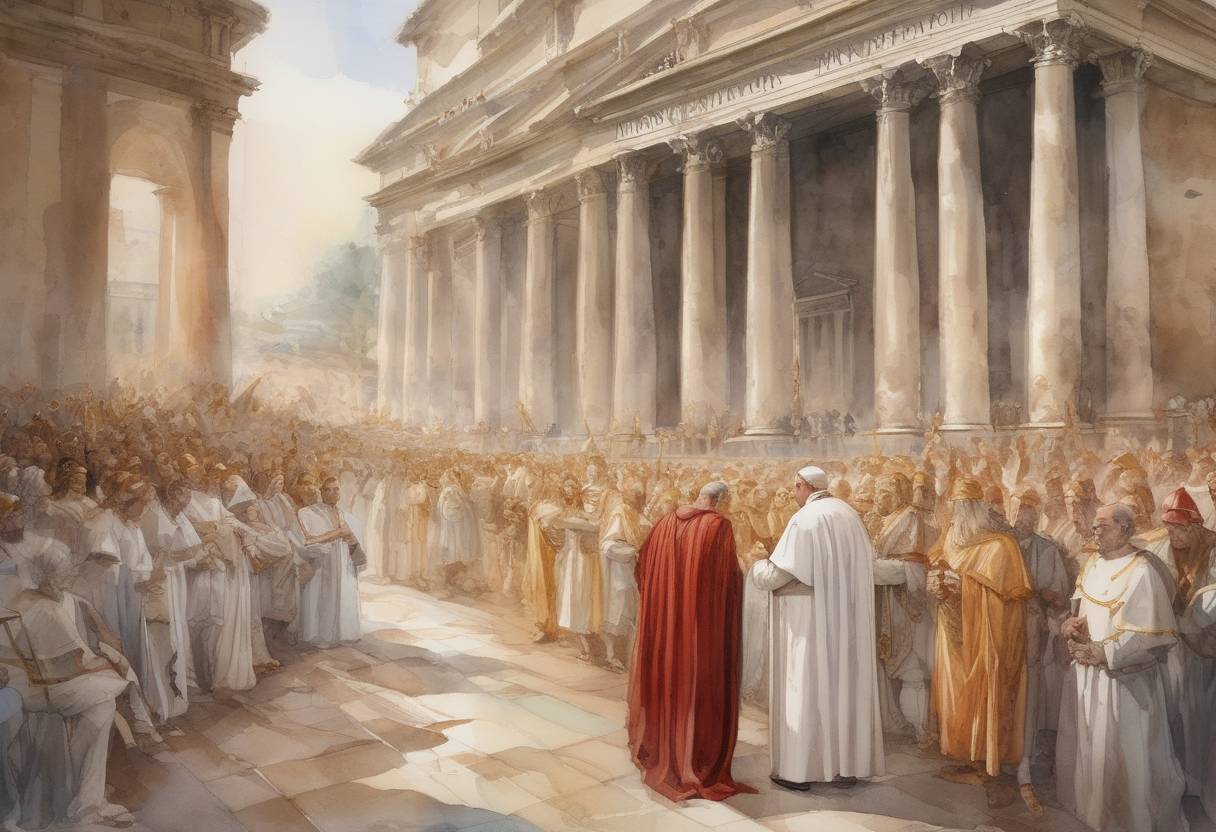
On November 21, 235, Anterus was elected as the Bishop of Rome, becoming the 19th pope of the Roman Catholic Church. His papacy, though brief, occurred during a tumultuous period in the Roman Empire, marked by political instability and persecution of Christians.
Roman Empire in Crisis: The mid-3rd century was a time of crisis for the Roman Empire, characterized by frequent changes in leadership and external threats. The year 235 marked the beginning of the so-called “Crisis of the Third Century,” a period of military anarchy and economic decline.
Christian Persecution: Christians faced persecution under various Roman emperors. The church was still in its formative years, and its followers were often targeted due to their refusal to worship Roman gods and the emperor.
Election: Anterus was elected pope following the death of his predecessor, Pope Pontian, who had been exiled to the mines of Sardinia and died there. Anterus’s election was a continuation of the early church’s efforts to maintain leadership despite external pressures.
Short Reign: Anterus’s papacy lasted only about 40 days. He is believed to have been of Greek origin, and his brief tenure is not well-documented, but it is suggested that he was committed to preserving the acts of the martyrs, which involved collecting and archiving records of those who had suffered for their faith.
Death and Succession: Anterus died on January 3, 236. The cause of his death is not clearly recorded, but some sources suggest he may have been martyred. He was succeeded by Pope Fabian, who was elected in a remarkable manner, as legend holds that a dove descended upon him during the election, signifying divine choice.
Burial: Anterus was buried in the Catacomb of Callixtus in Rome, a significant burial site for early popes. His tomb was rediscovered in the 19th century, confirming his historical existence and role in the early church.
Preservation of Christian History: Anterus’s efforts to collect the acts of the martyrs highlight the early church’s focus on preserving its history and honoring those who suffered for their faith. This endeavor was crucial for maintaining the identity and continuity of the Christian community during periods of persecution.
Symbol of Resilience: Despite his short papacy, Anterus’s leadership exemplifies the resilience of the early church in the face of adversity, a theme that would continue to define the Christian experience throughout the Roman Empire.
Pope Anterus’s brief papacy is a testament to the challenges faced by early Christian leaders and their dedication to the faith amidst external threats. His commitment to documenting the sacrifices of martyrs underscores the importance of historical preservation in the church’s legacy.
Source: en.wikipedia.org