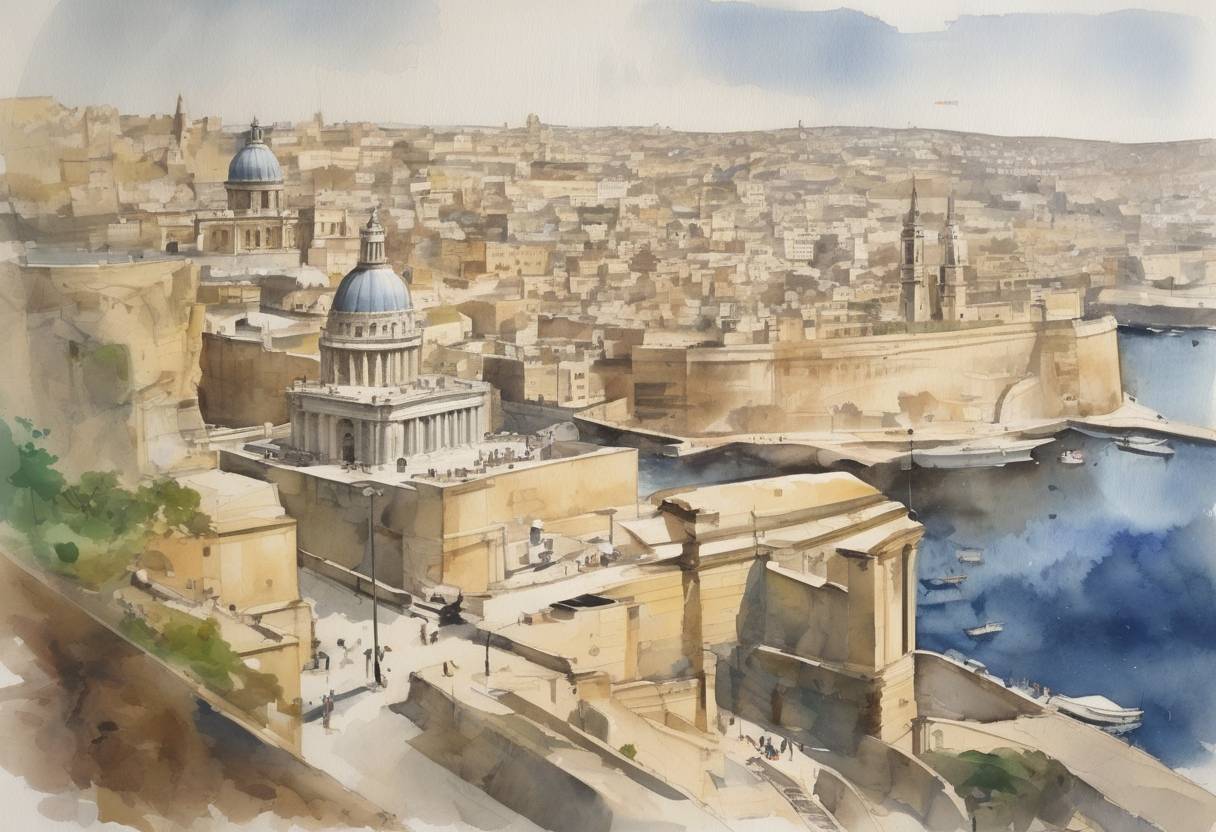
Malta Becomes a Republic within the Commonwealth of Nations
On December 13, 1974, Malta officially became a republic within the Commonwealth of Nations, marking a significant milestone in its political history. This transition from a constitutional monarchy to a republic was a pivotal moment for the island nation, reflecting its evolving identity and governance.
Historical Context
Malta, strategically located in the Mediterranean Sea, has a rich history of foreign rule, including periods under the Phoenicians, Romans, Arabs, Normans, and the Knights of St. John. In the 19th century, Malta became a British colony, which lasted until the mid-20th century.
- Independence: Malta gained independence from the United Kingdom on September 21, 1964. However, it remained a constitutional monarchy with Queen Elizabeth II as the head of state, represented locally by a Governor-General.
- Political Climate: The post-independence period saw a growing sentiment for full sovereignty and a desire to establish a republic. This was driven by the Labour Party, led by Prime Minister Dom Mintoff, who advocated for greater national autonomy.
The Transition to a Republic
- Constitutional Changes: The move to a republic was facilitated by amendments to the Maltese Constitution. These changes were passed by the Maltese Parliament, reflecting a consensus for a new form of governance.
- Abolition of Monarchy: On December 13, 1974, Malta officially abolished the monarchy. The role of the Governor-General was replaced by a President, who would serve as the ceremonial head of state.
- First President: Sir Anthony Mamo, who had been the last Governor-General, became Malta’s first President, symbolizing continuity and stability during the transition.
Significance and Aftermath
- National Identity: Becoming a republic was a crucial step in solidifying Malta’s national identity and sovereignty. It allowed Malta to assert itself more independently on the international stage.
- Commonwealth Membership: Despite the constitutional change, Malta remained a member of the Commonwealth of Nations, maintaining its ties with former British territories and benefiting from the cooperative framework of the organization.
- Political Stability: The transition to a republic was relatively smooth and marked by political stability, setting a precedent for Malta’s future democratic developments.
Broader Historical Impact
Malta’s transition to a republic in 1974 is a testament to its journey towards self-determination and governance. It reflects broader post-colonial trends where former colonies sought to redefine their political structures while maintaining beneficial international relationships. Today, Malta continues to be an active member of the Commonwealth and the European Union, playing a significant role in regional and global affairs.