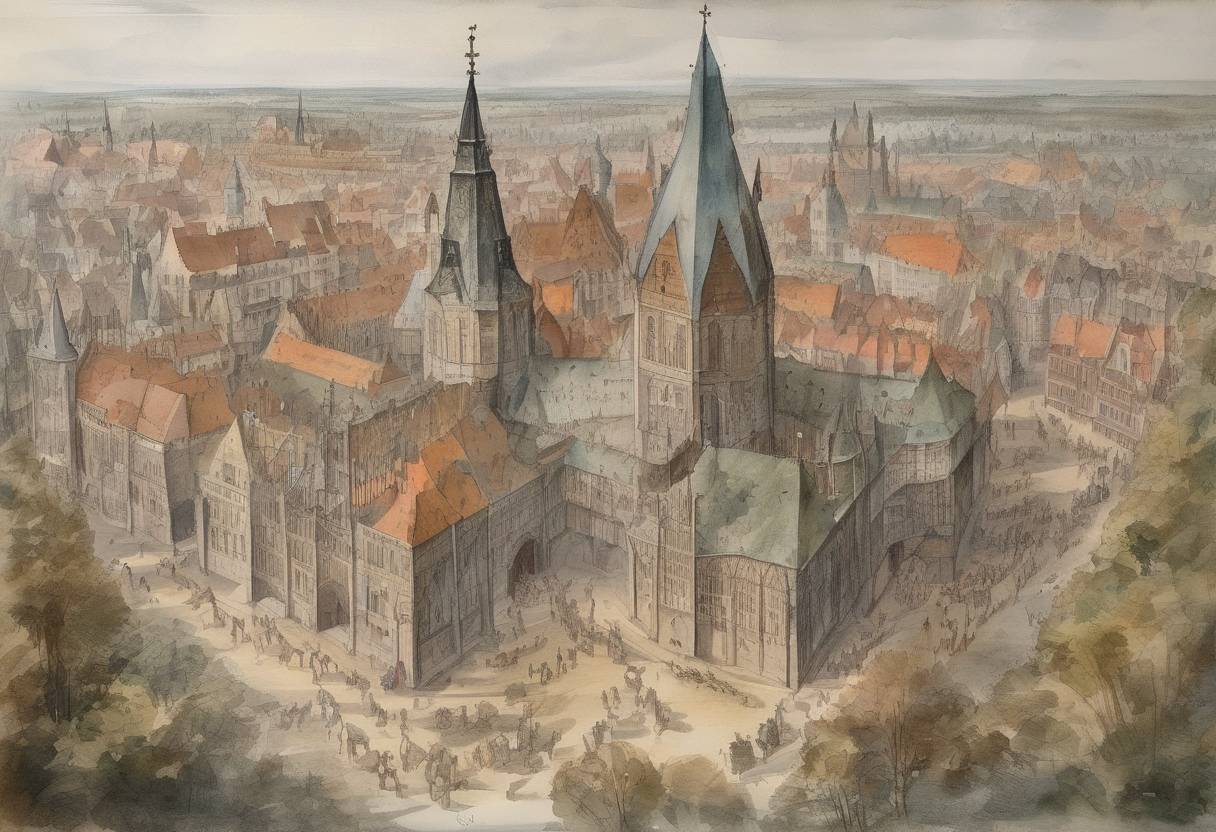
The Peace of Westphalia: October 24, 1648
The Peace of Westphalia, signed on October 24, 1648, marked a pivotal moment in European history, concluding two major conflicts: the Thirty Years’ War in the Holy Roman Empire and the Eighty Years’ War between Spain and the Dutch Republic. This series of treaties laid the groundwork for the modern state system and had profound implications for the political landscape of Europe.
Context and Background
The Thirty Years’ War (1618-1648)
- Origins: The Thirty Years’ War began as a religious conflict within the Holy Roman Empire, primarily between Catholic and Protestant states. It quickly expanded into a broader political struggle involving major European powers, including France, Sweden, and Spain.
- Impact: The war devastated much of Central Europe, leading to significant loss of life, economic hardship, and widespread destruction.
The Eighty Years’ War (1568-1648)
- Origins: This conflict was a revolt of the Seventeen Provinces in the Low Countries against the Spanish Empire. It was driven by religious, political, and economic factors, as the largely Protestant provinces sought independence from Catholic Spain.
- Outcome: The war resulted in the de facto independence of the Dutch Republic, although formal recognition came with the Peace of Westphalia.
The Treaties of Westphalia
Key Agreements
- Treaty of Münster: This treaty ended the Eighty Years’ War, with Spain recognizing the independence of the Dutch Republic.
- Treaty of Osnabrück: This treaty, along with the Treaty of Münster, addressed the Thirty Years’ War, involving negotiations between the Holy Roman Empire, France, and Sweden.
Major Provisions
- Sovereignty: The treaties recognized the sovereignty of over 300 German principalities, effectively decentralizing the Holy Roman Empire and allowing states to choose their own official religions (Calvinism, Lutheranism, or Catholicism).
- Territorial Adjustments: France gained territories in Alsace, Sweden received territories in Northern Germany, and the independence of Switzerland was formally acknowledged.
- Religious Tolerance: The treaties reinforced the principle of cuius regio, eius religio, allowing rulers to determine the religion of their own state, but also included protections for minority religious groups.
Broader Historical Significance
- Modern State System: The Peace of Westphalia is often cited as the beginning of the modern international system of sovereign states. It established the concept of national self-determination and laid the foundation for the principles of non-interference in the domestic affairs of other states.
- Diplomacy: The treaties marked a shift towards diplomacy and negotiation as means of resolving international conflicts, setting precedents for future peace treaties.
- Balance of Power: The agreements contributed to the development of the balance of power in Europe, aiming to prevent any single state from dominating the continent.
Aftermath
The Peace of Westphalia had lasting effects on European politics, religion, and society. It ended one of the most destructive conflicts in European history and reshaped the continent’s political map. The treaties’ emphasis on state sovereignty and diplomatic negotiation continues to influence international relations to this day.