Space Shuttle Discovery's Final Mission: STS-133
2011 · Cape Canaveral, United States
The Space Shuttle Discovery completed its final mission, STS-133, and landed at Kennedy Space Center in Florida.
February 3, 1994
Space Shuttle Discovery launches on mission STS-60, carrying Sergei Krikalev, the first Russian cosmonaut to fly aboard a U.S. spacecraft.
Cape Canaveral, United States | NASA
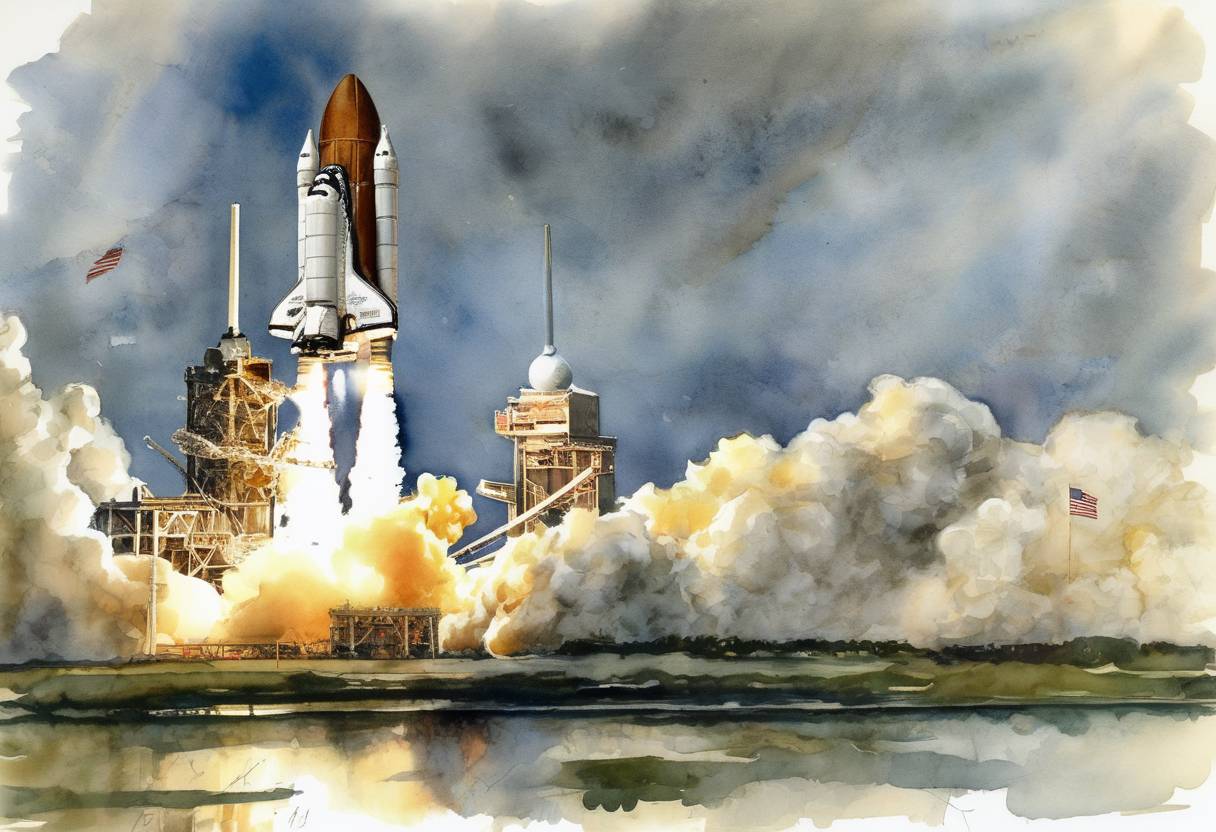
On February 3, 1994, the Space Shuttle Discovery launched from Kennedy Space Center in Florida on mission STS-60. This mission was notable for being the first joint U.S.-Russian spaceflight since the Apollo-Soyuz Test Project in 1975. It marked a significant milestone in post-Cold War space collaboration between the United States and Russia.
The STS-60 mission had a crew of six astronauts, including:
Sergei Krikalev was the first Russian cosmonaut to fly aboard a U.S. spacecraft. His participation symbolized the growing cooperation between the United States and Russia in space exploration. Krikalev was already an experienced cosmonaut, having previously flown on two long-duration missions aboard the Mir space station.
The primary objectives of STS-60 included:
The STS-60 mission was a landmark in international space cooperation. It set the stage for future collaborations, including the Shuttle-Mir Program and the International Space Station (ISS). The inclusion of Sergei Krikalev as a mission specialist underscored the commitment of both nations to work together in space exploration.
Following the successful completion of STS-60, the U.S. and Russia continued to deepen their partnership in space. This collaboration paved the way for the construction and operation of the ISS, a symbol of international cooperation in space that continues to this day.
The mission demonstrated the potential for peaceful collaboration in space, transcending political and historical differences, and laid the groundwork for future joint missions and scientific endeavors.
Source: en.wikipedia.org