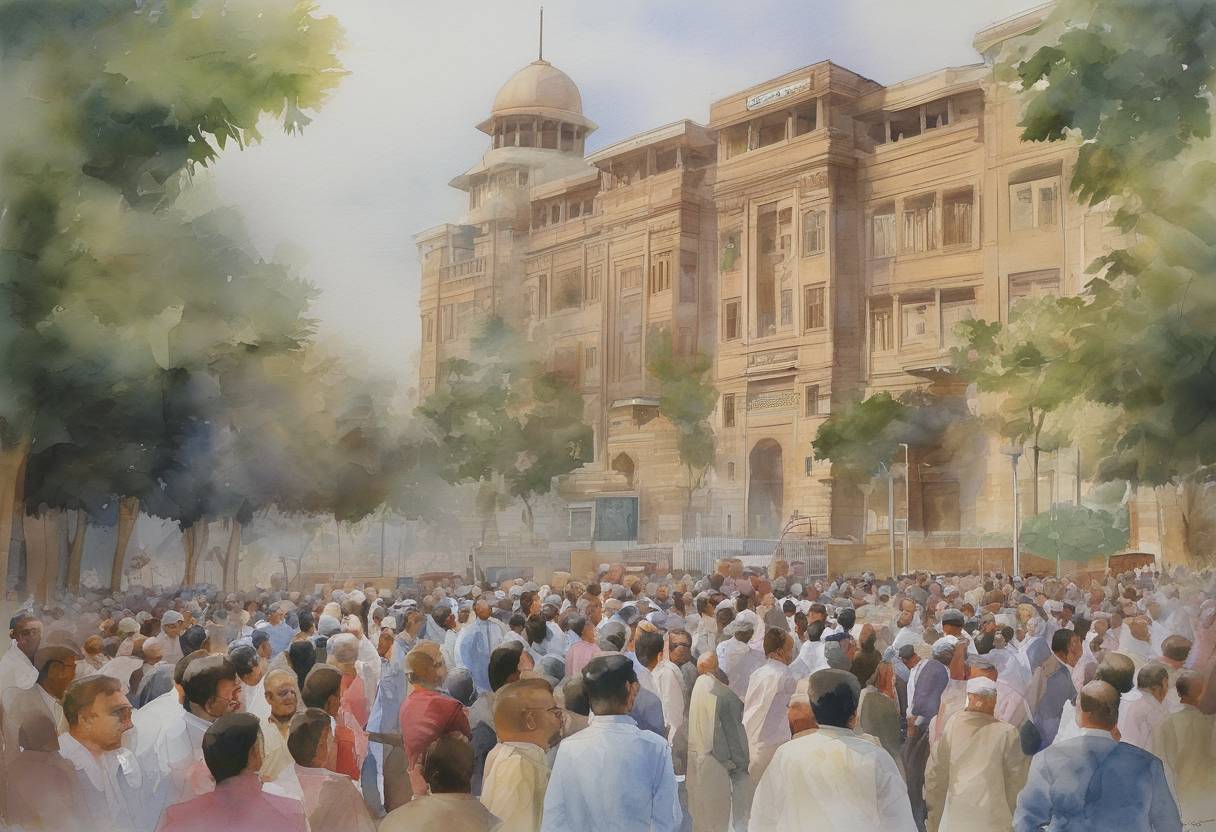
State of Emergency in Pakistan - November 3, 2007
On November 3, 2007, Pervez Musharraf, then President of Pakistan, declared a state of emergency in the country. This significant political move involved suspending the constitution, dismissing the Chief Justice of the Supreme Court, and imposing restrictions on the media and civil liberties. Below is a detailed account of the events leading up to, during, and following the declaration of the state of emergency.
Context and Background
Pervez Musharraf’s Rise to Power: Musharraf came to power in a military coup in October 1999, overthrowing the democratically elected government of Prime Minister Nawaz Sharif. He assumed the presidency in 2001 and later secured his position through a controversial referendum in 2002.
Judicial Challenges: Prior to the emergency, Musharraf faced increasing challenges from the judiciary, particularly from Chief Justice Iftikhar Muhammad Chaudhry. The judiciary had become more assertive, questioning Musharraf’s dual role as both President and Chief of Army Staff.
Political Pressure: Musharraf’s government was under pressure both domestically and internationally to restore democratic processes. The political climate was tense, with upcoming elections and growing opposition from political parties and civil society.
Key Events on November 3, 2007
Declaration of Emergency: Musharraf announced the state of emergency through a televised address, citing rising extremism and judicial interference as the primary reasons. He argued that these factors were hindering the government’s ability to function effectively.
Suspension of the Constitution: The 1973 Constitution of Pakistan was suspended, effectively granting Musharraf sweeping powers to govern by decree.
Dismissal of the Judiciary: Chief Justice Iftikhar Muhammad Chaudhry and several other judges were dismissed. They were replaced by judges who took an oath under the Provisional Constitutional Order (PCO), which validated the emergency measures.
Media Restrictions: Independent media outlets faced severe restrictions, with many news channels being taken off the air. The government imposed strict regulations on the press to control the narrative.
Aftermath and Consequences
Public and Political Reaction: The emergency declaration sparked widespread protests across Pakistan. Lawyers, political activists, and civil society members took to the streets, demanding the restoration of the judiciary and the constitution.
International Condemnation: The move was met with criticism from the international community, including the United States and the European Union, who called for a return to democratic governance.
Elections and Resignation: Under mounting pressure, Musharraf eventually resigned as Chief of Army Staff in November 2007. Parliamentary elections were held in February 2008, leading to a coalition government. Musharraf resigned from the presidency in August 2008, facing the threat of impeachment.
Restoration of the Judiciary: The judiciary was eventually restored in 2009, with Iftikhar Muhammad Chaudhry reinstated as Chief Justice, marking a significant victory for the rule of law in Pakistan.
Broader Historical Significance
The 2007 state of emergency in Pakistan was a pivotal moment in the country’s political history. It highlighted the tensions between military authority and democratic institutions, underscoring the challenges of governance in a nation grappling with internal and external pressures. The events of November 3, 2007, set the stage for subsequent political developments and reforms aimed at strengthening democratic processes in Pakistan.