Ceasefire Agreement Between Israel and Hamas - November 22, 2012
2012 · Gaza City, Palestine
Ceasefire agreement was reached between Israel and Hamas, ending eight days of fighting in the Gaza Strip.
October 18, 2011
Gilad Shalit, an Israeli soldier captured by Hamas militants in 2006, was released in a prisoner exchange deal. Israel released 1,027 Palestinian prisoners in exchange for Shalit.
Jerusalem, Israel | Hamas
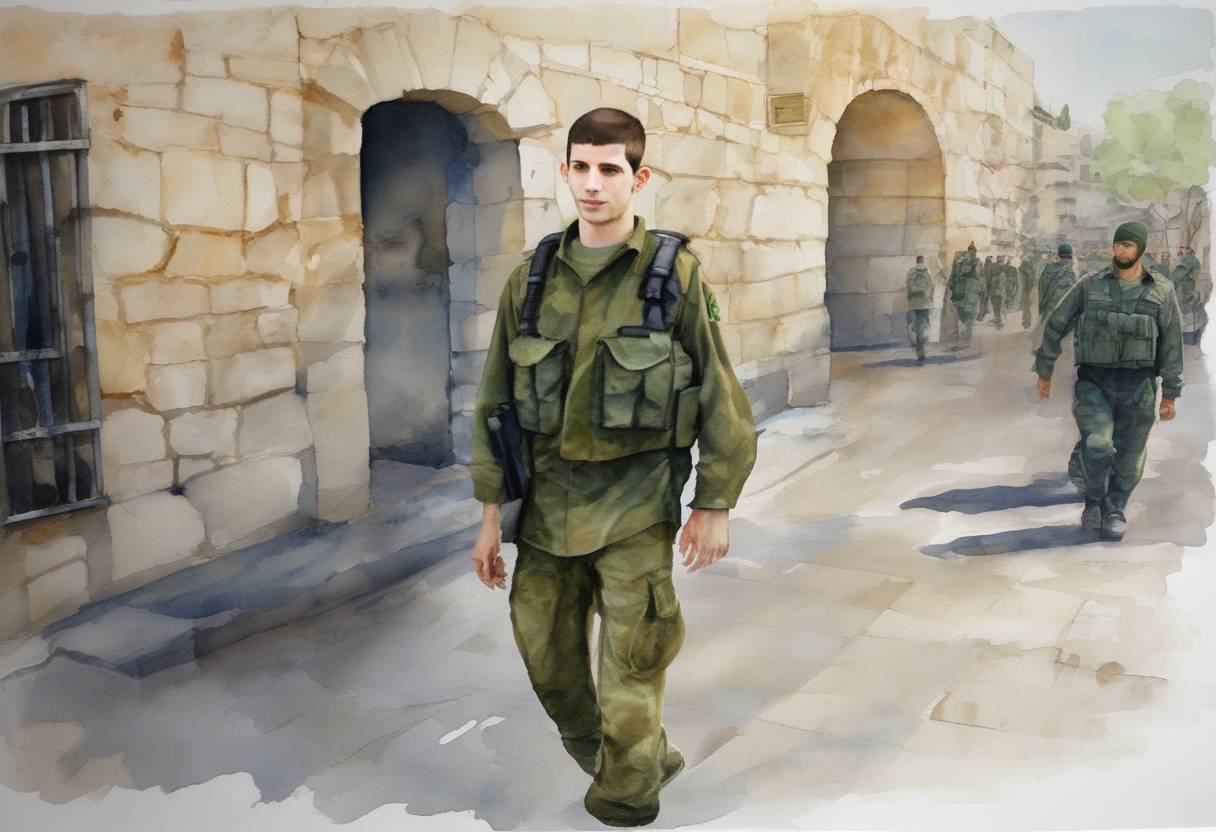
On October 18, 2011, Israeli soldier Gilad Shalit was released by Hamas militants in a high-profile prisoner exchange deal. This event marked the culmination of over five years of captivity and intense negotiations between Israel and Hamas.
Gilad Shalit, an Israeli Defense Forces (IDF) soldier, was captured on June 25, 2006, by Hamas militants in a cross-border raid near the Kerem Shalom crossing, located at the intersection of the Gaza Strip, Israel, and Egypt. The attack resulted in the deaths of two Israeli soldiers and the wounding of several others. Shalit’s capture became a focal point of Israeli national concern and international diplomatic efforts.
During his captivity, Shalit was held in an undisclosed location in the Gaza Strip. Hamas released occasional proof-of-life videos and letters, but negotiations for his release were protracted and complex, involving multiple intermediaries and international actors, including Egypt and Germany.
The deal for Shalit’s release was finalized in October 2011, brokered primarily through Egyptian mediation. The terms of the agreement stipulated that Israel would release 1,027 Palestinian prisoners in exchange for Shalit. These prisoners included individuals convicted of serious offenses, which sparked significant debate and controversy within Israel.
The exchange was met with mixed reactions. In Israel, there was widespread relief and celebration over Shalit’s return, but also concern over the potential security risks posed by the release of prisoners convicted of violent acts. For Palestinians, the release of prisoners was seen as a victory and a cause for celebration.
The release of Gilad Shalit remains a poignant example of the complexities and human dimensions of the Israeli-Palestinian conflict, illustrating the profound impact of individual stories on broader geopolitical narratives.
Source: www.nytimes.com