The First Reform Act Receives Royal Assent – August 2, 1832
1832 · London, United Kingdom
The First Reform Act receives Royal Assent in the United Kingdom, reforming the electoral system by redistributing seats in England and Wales.
March 2, 1882
Queen Victoria narrowly escapes an assassination attempt by Roderick McLean in Windsor.
Windsor, United Kingdom
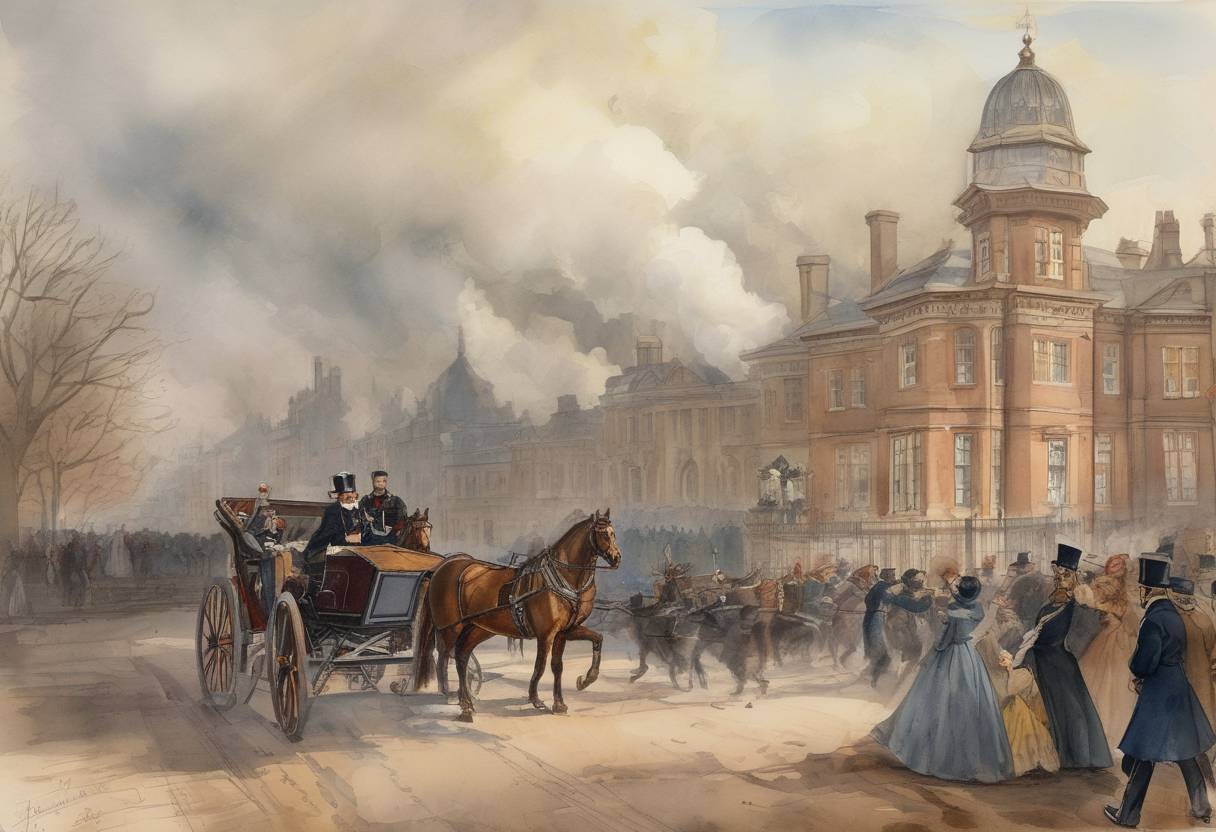
On March 2, 1882, Queen Victoria of the United Kingdom narrowly escaped an assassination attempt by Roderick McLean at Windsor. This event marked the last of several attempts on her life during her long reign.
Queen Victoria, who reigned from 1837 to 1901, was a symbol of stability and continuity during a period of significant change in Britain. Her reign saw the expansion of the British Empire and numerous social and industrial transformations. Despite her popularity, she was the target of multiple assassination attempts, reflecting the political and social tensions of the era.
This assassination attempt underscored the vulnerabilities faced by public figures, even those as revered as Queen Victoria. It also reflected the societal challenges of the time, including mental health issues and the legal system’s capacity to deal with them. The event is a reminder of the persistent threats to political leaders and the evolving nature of legal and public safety measures.
Queen Victoria’s survival of this and other attempts on her life only served to enhance her image as a resilient and enduring monarch, further solidifying her legacy in British history.
Source: en.wikipedia.org