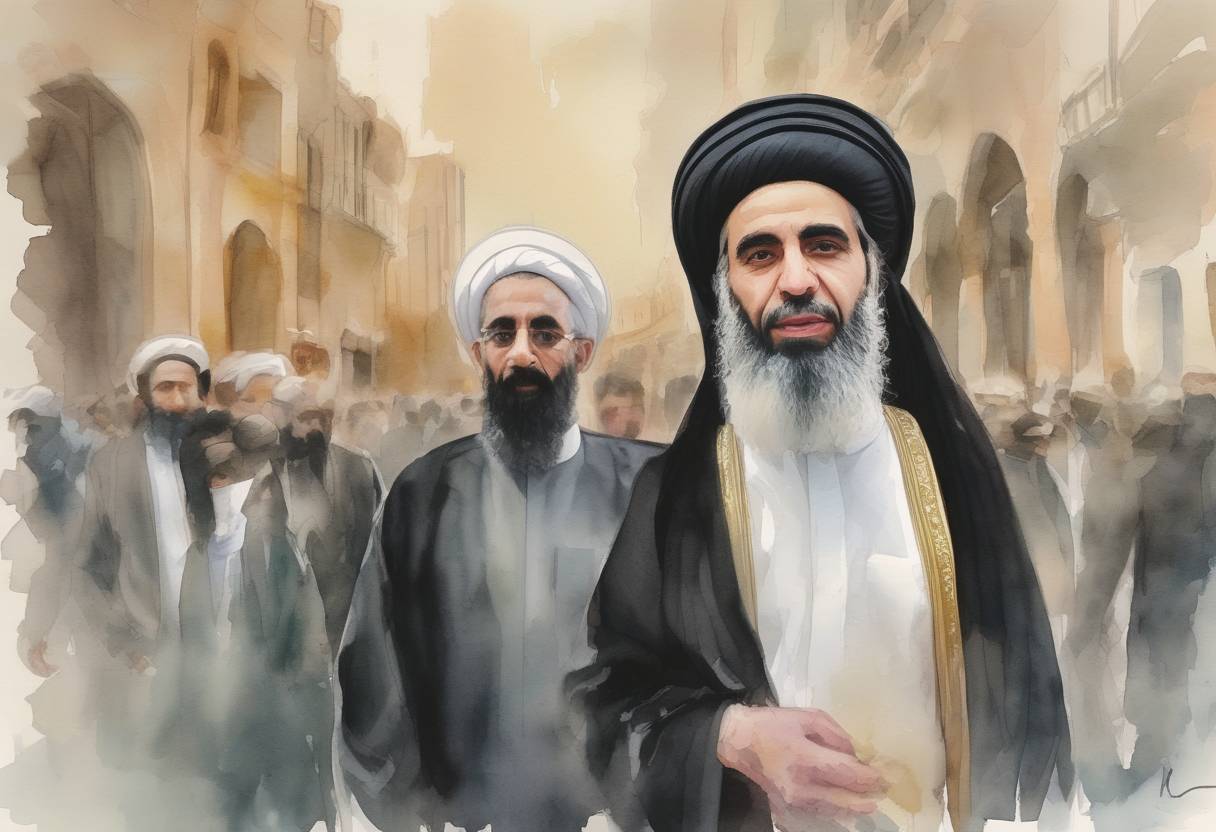
Saudi Arabia Severs Diplomatic Ties with Iran (January 3, 2016)
On January 3, 2016, Saudi Arabia announced the severance of diplomatic ties with Iran, a significant escalation in the already tense relations between the two Middle Eastern powers. This decision followed a series of events triggered by the execution of Sheikh Nimr al-Nimr, a prominent Shia cleric, by Saudi authorities.
Background
Sheikh Nimr al-Nimr: A vocal critic of the Saudi government, Sheikh Nimr was a leading figure in the 2011–2012 Saudi Arabian protests, part of the broader Arab Spring movement. He advocated for the rights of the Shia minority in Saudi Arabia and was arrested in 2012 on charges of sedition, disobedience, and bearing arms. His execution on January 2, 2016, alongside 46 others convicted of terrorism-related offenses, sparked outrage among Shia communities worldwide.
Saudi-Iranian Relations: The relationship between Saudi Arabia, a predominantly Sunni nation, and Iran, a Shia-majority country, has been fraught with tension for decades. The two countries have often found themselves on opposing sides of regional conflicts, such as in Syria and Yemen, and have vied for influence across the Middle East.
Key Events
Execution of Sheikh Nimr: The execution was perceived by many as a political move by Saudi Arabia to suppress dissent and send a message to its Shia population. It drew widespread condemnation from Shia communities and human rights organizations.
Protests and Embassy Attack: In response to the execution, protests erupted in several countries with significant Shia populations, including Iran. On January 2, 2016, demonstrators in Tehran stormed the Saudi embassy, setting parts of it on fire. This act of aggression was condemned by Iranian President Hassan Rouhani, who called for the prosecution of those involved.
Diplomatic Fallout: On January 3, 2016, Saudi Arabia announced it was severing diplomatic ties with Iran. The Saudi foreign minister, Adel al-Jubeir, stated that Iranian diplomats had 48 hours to leave the kingdom. This move was followed by several other Gulf states, which either downgraded or cut ties with Iran in solidarity with Saudi Arabia.
Aftermath and Consequences
Regional Tensions: The severance of diplomatic ties further strained the already volatile relationship between Saudi Arabia and Iran. It exacerbated sectarian tensions in the region and complicated efforts to resolve conflicts in Syria and Yemen, where both countries support opposing sides.
International Reactions: The international community expressed concern over the potential for increased instability in the Middle East. The United Nations and several countries called for restraint and dialogue between the two nations to prevent further escalation.
Long-term Impact: The diplomatic rift highlighted the deep-seated sectarian and geopolitical rivalries in the region. It underscored the challenges facing efforts to foster cooperation and peace in the Middle East.
In summary, the events of January 3, 2016, marked a significant deterioration in Saudi-Iranian relations, with repercussions that continue to influence regional dynamics to this day.