NATO Air Strikes Against Yugoslavia: Beginning of the Kosovo War Intervention
1999 · Belgrade, Yugoslavia
NATO launched air strikes against Yugoslavia, marking the beginning of the Kosovo War intervention.
December 20, 1995
NATO began its peacekeeping mission in Bosnia and Herzegovina following the Bosnian War, implementing the Dayton Agreement.
Sarajevo, Bosnia and Herzegovina | NATO
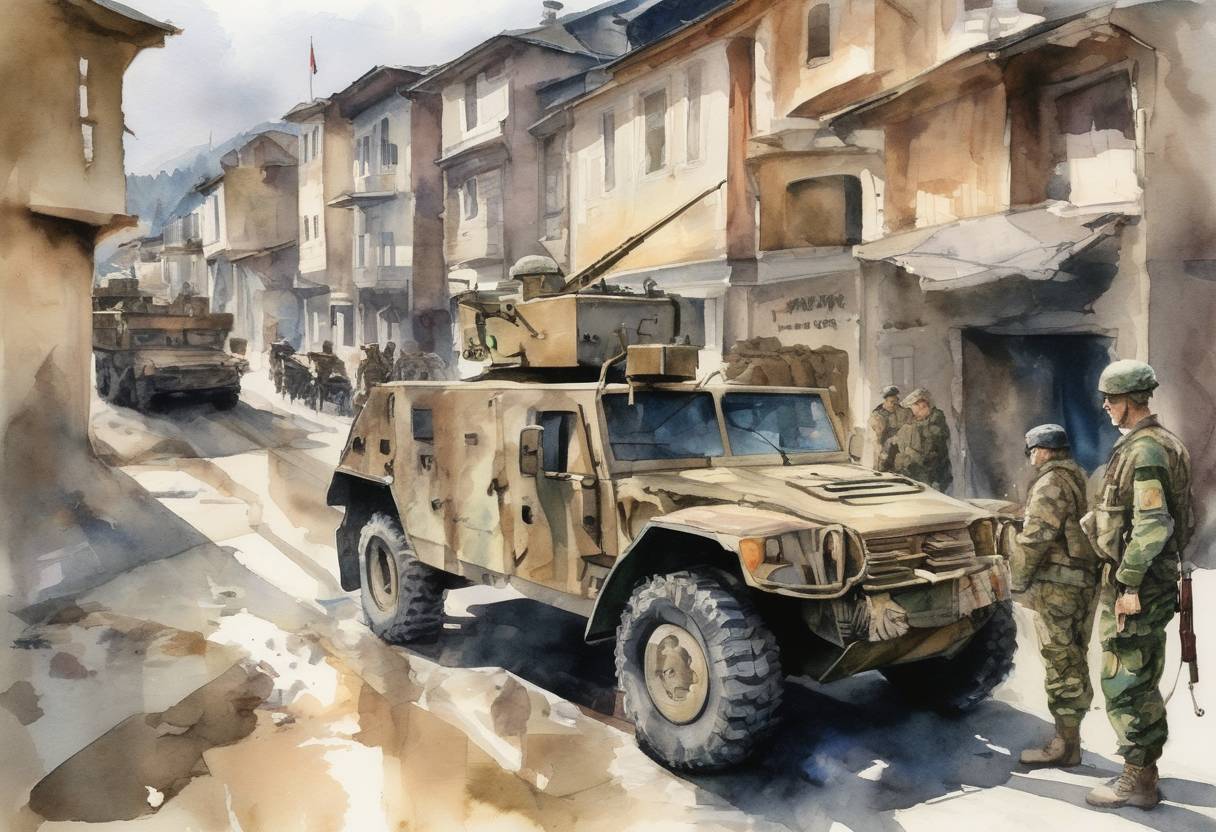
The Bosnian War, which raged from 1992 to 1995, was a brutal conflict that erupted following the disintegration of Yugoslavia. It involved ethnic tensions among Bosniaks, Croats, and Serbs, leading to widespread atrocities, including ethnic cleansing and genocide, most notably the Srebrenica massacre. The international community was deeply concerned about the humanitarian crisis and the destabilization of the Balkans.
The Dayton Peace Agreement, formally known as the General Framework Agreement for Peace in Bosnia and Herzegovina, was negotiated in November 1995 at Wright-Patterson Air Force Base near Dayton, Ohio. The agreement was signed by the presidents of Bosnia and Herzegovina, Croatia, and Serbia, effectively ending the Bosnian War. It outlined the constitutional framework for Bosnia and Herzegovina and established two entities within the country: the Federation of Bosnia and Herzegovina and the Republika Srpska.
On December 20, 1995, NATO began its peacekeeping mission in Bosnia and Herzegovina, known as the Implementation Force (IFOR). This mission was a direct result of the Dayton Agreement, which called for international military forces to oversee the implementation of the peace accords.
NATO’s peacekeeping mission in Bosnia and Herzegovina was a pivotal step in the post-Cold War era, demonstrating the alliance’s adaptability and commitment to international peace and security. The successful implementation of the Dayton Agreement laid the groundwork for Bosnia and Herzegovina’s ongoing recovery and integration into European structures.
Source: www.nato.int