Tornado Outbreak in the Southeastern United States - March 3, 2019
2019 · Beauregard, United States
A tornado outbreak in the Southeastern United States resulted in 23 fatalities, with the most significant damage occurring in Lee County, Alabama.
April 27, 2011
A series of devastating tornadoes struck the southern United States, particularly Alabama, resulting in over 300 deaths and widespread destruction.
Tuscaloosa, United States | National Weather Service
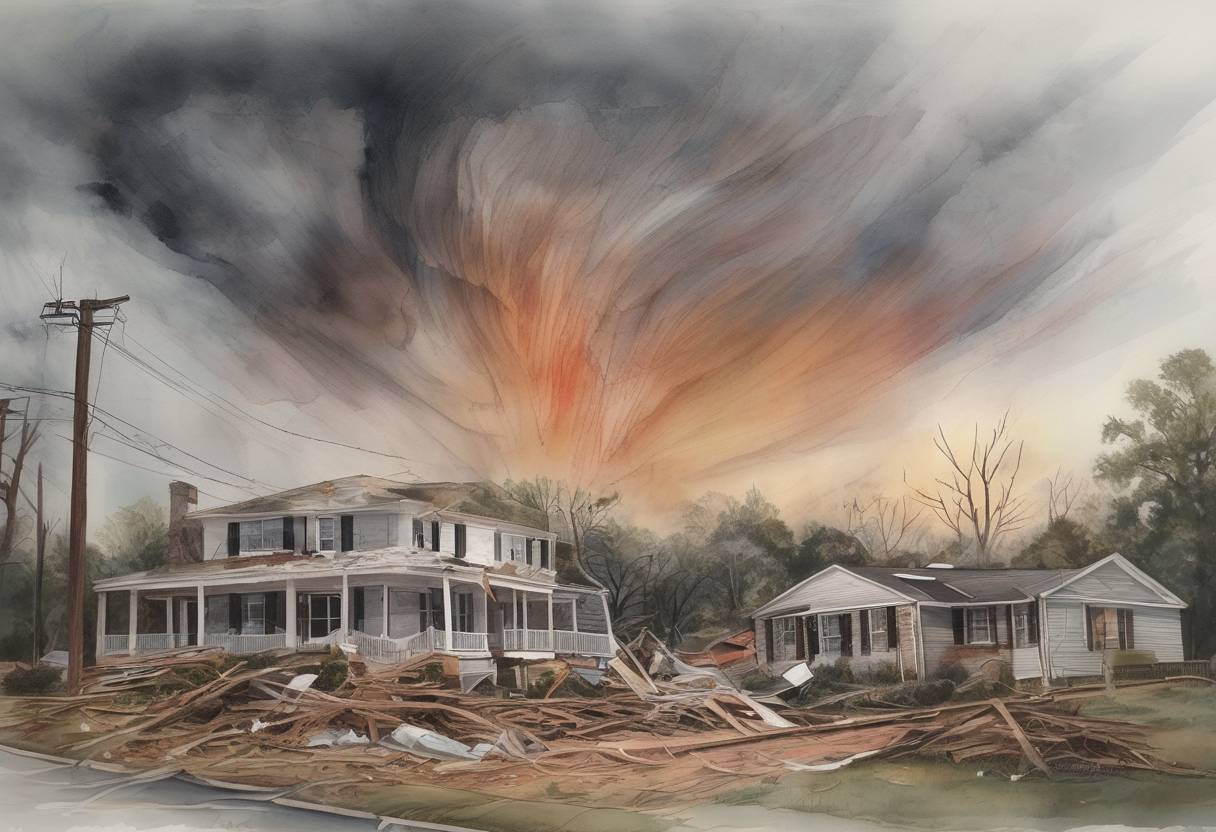
On April 27, 2011, a catastrophic series of tornadoes struck the southern United States, with Alabama experiencing some of the most severe impacts. This event is part of what is known as the 2011 Super Outbreak, which is one of the largest and most destructive tornado outbreaks ever recorded in U.S. history.
The 2011 Super Outbreak occurred over several days, from April 25 to April 28, 2011. It was fueled by a combination of meteorological conditions that were highly conducive to the formation of tornadoes. A strong low-pressure system moved across the central United States, interacting with warm, moist air from the Gulf of Mexico and a cold front moving southward. This created a volatile atmosphere capable of producing severe thunderstorms and tornadoes.
Tornado Activity: On April 27 alone, there were 211 confirmed tornadoes across multiple states, including Alabama, Mississippi, Tennessee, Georgia, and Virginia. Alabama was particularly hard-hit, with several EF4 and EF5 tornadoes causing catastrophic damage.
Tuscaloosa-Birmingham Tornado: One of the most devastating tornadoes of the day was the EF4 tornado that struck Tuscaloosa and Birmingham, Alabama. This tornado was on the ground for over 80 miles, causing widespread destruction and resulting in significant loss of life.
Casualties and Damage: The outbreak resulted in over 300 fatalities, with Alabama accounting for more than 250 of these deaths. Thousands of homes and businesses were destroyed or severely damaged, leaving many communities in ruins.
Emergency Response: The scale of the disaster prompted a massive emergency response effort. Federal, state, and local agencies, along with numerous volunteers and non-profit organizations, mobilized to provide relief and recovery assistance to affected areas.
Rebuilding and Recovery: The recovery process was long and challenging, with many communities taking years to rebuild. The disaster highlighted the importance of emergency preparedness and the need for improved warning systems and infrastructure resilience.
Meteorological and Scientific Impact: The 2011 Super Outbreak led to significant advancements in meteorological research and tornado forecasting. It underscored the need for better understanding of tornado formation and improved communication of severe weather warnings to the public.
The April 27, 2011, tornado outbreak is remembered as a pivotal moment in U.S. weather history. It demonstrated the destructive power of tornadoes and the vulnerability of communities in tornado-prone regions. The event also spurred changes in building codes, emergency management practices, and public awareness campaigns aimed at reducing the impact of future tornado outbreaks.
This tragic day remains a somber reminder of the importance of preparedness and resilience in the face of natural disasters.
Source: www.weather.gov