Assassination of Czar Alexander II of Russia
1881 · Saint Petersburg, Russia
Czar Alexander II of Russia was assassinated in Saint Petersburg by members of the revolutionary group Narodnaya Volya, leading to increased repression under his successor.
January 26, 1924
Saint Petersburg, Russia, was renamed Leningrad in honor of the late Soviet leader Vladimir Lenin.
Saint Petersburg, Russia | Soviet Union
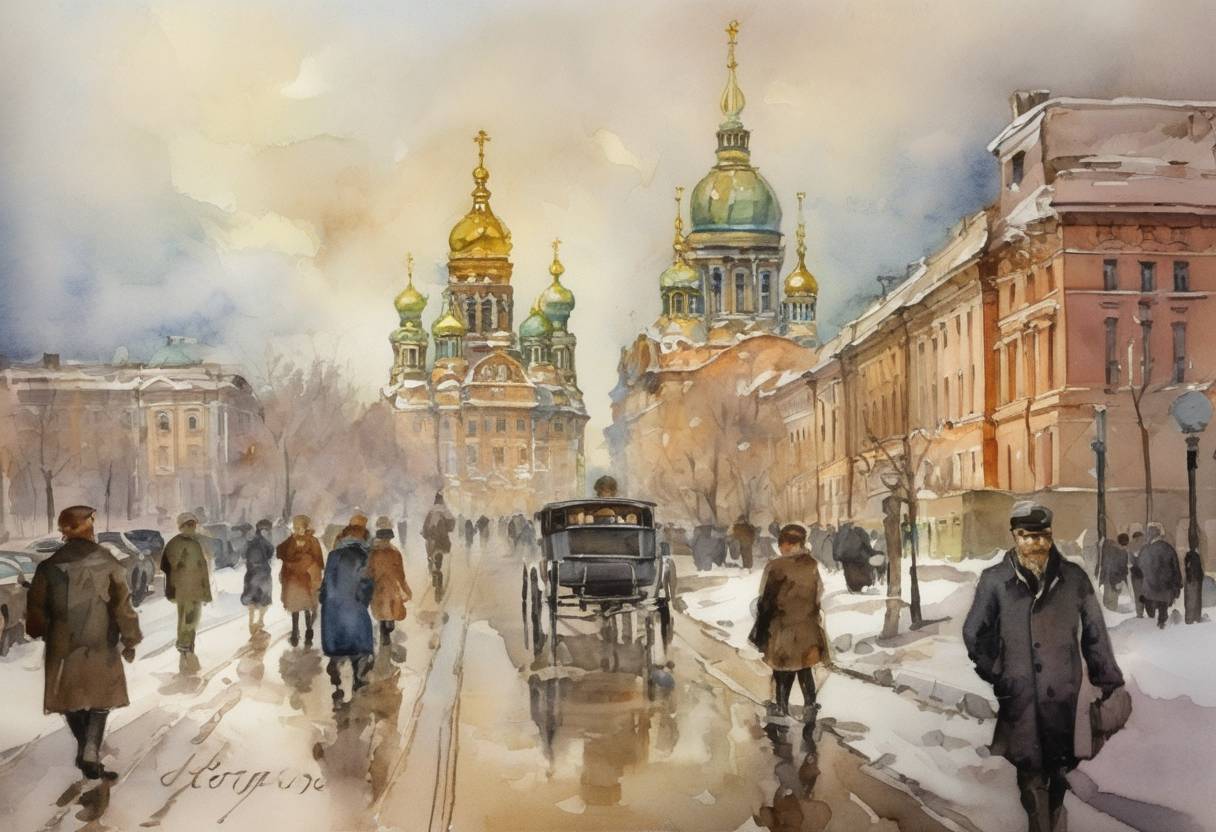
On January 26, 1924, the city of Saint Petersburg, Russia, was officially renamed Leningrad in honor of Vladimir Lenin, the leader of the Bolshevik Revolution and the founder of the Soviet state, who had passed away just a few days earlier on January 21, 1924.
Saint Petersburg’s Origins: Founded by Tsar Peter the Great in 1703, Saint Petersburg was established as a “window to the West” and served as the capital of the Russian Empire for over two centuries. It was a symbol of Russia’s modernization and European orientation.
Revolutionary Significance: The city played a crucial role in the Russian Revolution of 1917. It was here that the Bolsheviks, led by Lenin, seized power from the Provisional Government, marking the beginning of Soviet rule.
Lenin’s Death: Lenin’s death in January 1924 prompted a wave of mourning across the Soviet Union. As a tribute to his leadership and the revolutionary changes he spearheaded, the Soviet government decided to rename the city.
Decision and Implementation: The decision to rename Saint Petersburg to Leningrad was made by the Soviet government and was part of a broader effort to immortalize Lenin’s legacy. The renaming was formalized on January 26, 1924.
Symbolic Gesture: Renaming the city served as a powerful symbol of the new Soviet identity and the break from the imperial past. It reinforced Lenin’s status as a central figure in Soviet ideology.
Cultural and Political Impact: The name change reflected the broader cultural and political shifts occurring in the Soviet Union, as the government sought to consolidate power and promote communist ideals.
Leningrad During WWII: Leningrad became a focal point during World War II, enduring a brutal siege by Nazi forces from 1941 to 1944. The city’s resilience became a symbol of Soviet endurance and heroism.
Return to Saint Petersburg: After the dissolution of the Soviet Union, a referendum was held in 1991, and the city’s original name, Saint Petersburg, was restored on September 6, 1991. This change reflected the broader move away from Soviet-era symbols and a return to historical roots.
The renaming of Saint Petersburg to Leningrad was a significant event in Soviet history, marking both a tribute to Lenin and a reflection of the ideological shifts of the time. The city’s name, whether as Saint Petersburg or Leningrad, continues to carry deep historical and cultural significance.
Source: en.wikipedia.org