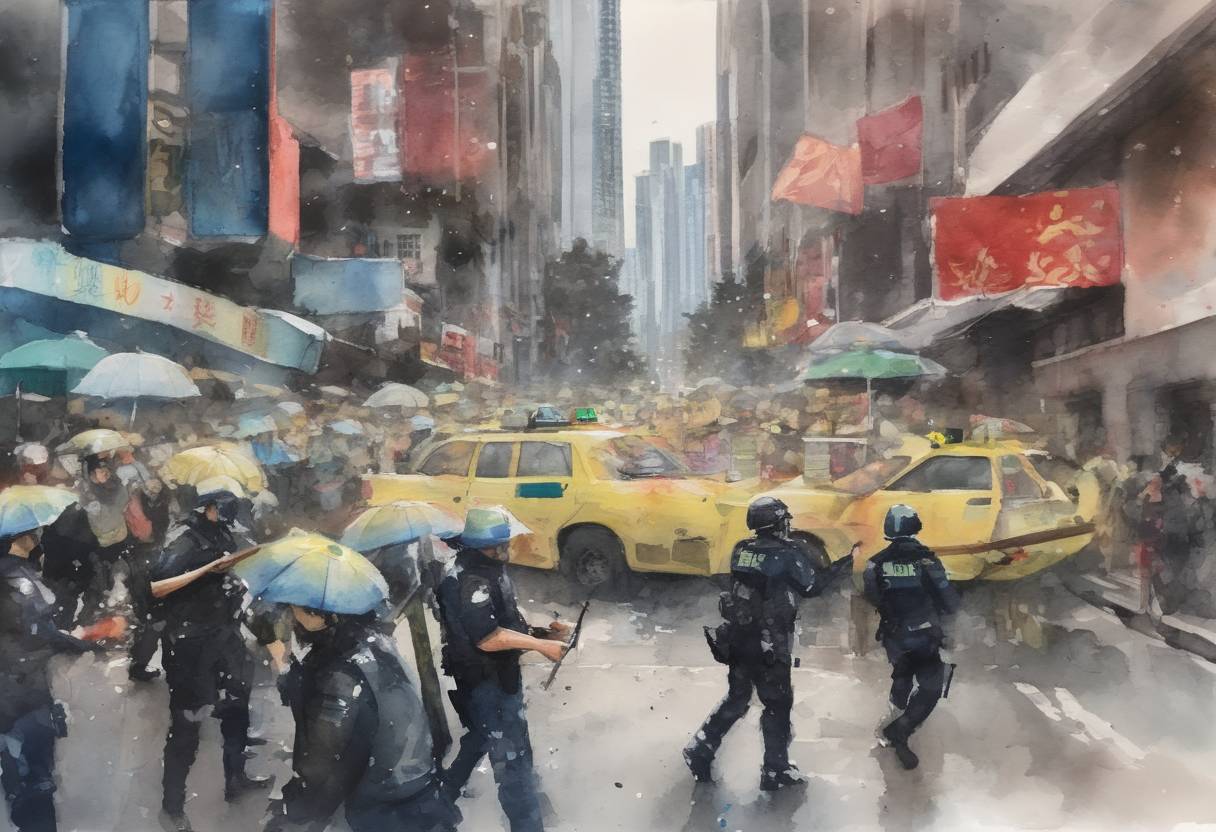
Hong Kong Protests: Escalation on October 1, 2019
On October 1, 2019, the ongoing protests in Hong Kong saw a significant escalation when police used live ammunition against demonstrators for the first time. This incident marked a pivotal moment in the protests that had been unfolding since June 2019, initially sparked by opposition to a controversial extradition bill.
Context
The protests began in response to the Hong Kong government’s proposal of an extradition bill that would allow individuals in Hong Kong to be extradited to mainland China. Critics feared this would undermine the region’s judicial independence and could be used to target political dissidents. Although the bill was eventually withdrawn, the protests evolved into a broader movement demanding democratic reforms, police accountability, and the preservation of Hong Kong’s autonomy under the “one country, two systems” framework.
Key Events on October 1, 2019
National Day Protests: October 1 marked the 70th anniversary of the founding of the People’s Republic of China. While celebrations were held in Beijing, Hong Kong experienced one of its most violent days of protest. Demonstrators took to the streets in large numbers, clashing with police across various districts.
Use of Live Ammunition: During confrontations in the Tsuen Wan district, a police officer shot an 18-year-old protester, Tsang Chi-kin, in the chest with live ammunition. This was the first instance of a protester being shot with a live round since the protests began. The incident was captured on video and widely circulated, intensifying public outrage and international scrutiny.
Scale of Protests: Tens of thousands of protesters participated in the demonstrations, which were characterized by widespread acts of civil disobedience, including vandalism and road blockages. Police responded with tear gas, water cannons, and rubber bullets in efforts to disperse the crowds.
Aftermath and Consequences
Public Reaction: The shooting incident further galvanized the protest movement, leading to increased participation in subsequent demonstrations. It also drew condemnation from human rights organizations and calls for restraint from international governments.
Government Response: The Hong Kong government and police defended the officer’s actions, stating that the use of live ammunition was justified as a measure of self-defense. However, the incident fueled ongoing debates about police conduct and the use of force.
International Attention: The escalation on October 1 attracted significant global attention, highlighting the tensions between Hong Kong’s pro-democracy movement and the Chinese government’s stance on sovereignty and control.
The events of October 1, 2019, underscored the deepening crisis in Hong Kong and the challenges faced by both the protesters and authorities in navigating the demands for greater democratic freedoms and maintaining order. The protests continued into 2020, leaving a lasting impact on Hong Kong’s political landscape and its relationship with mainland China.