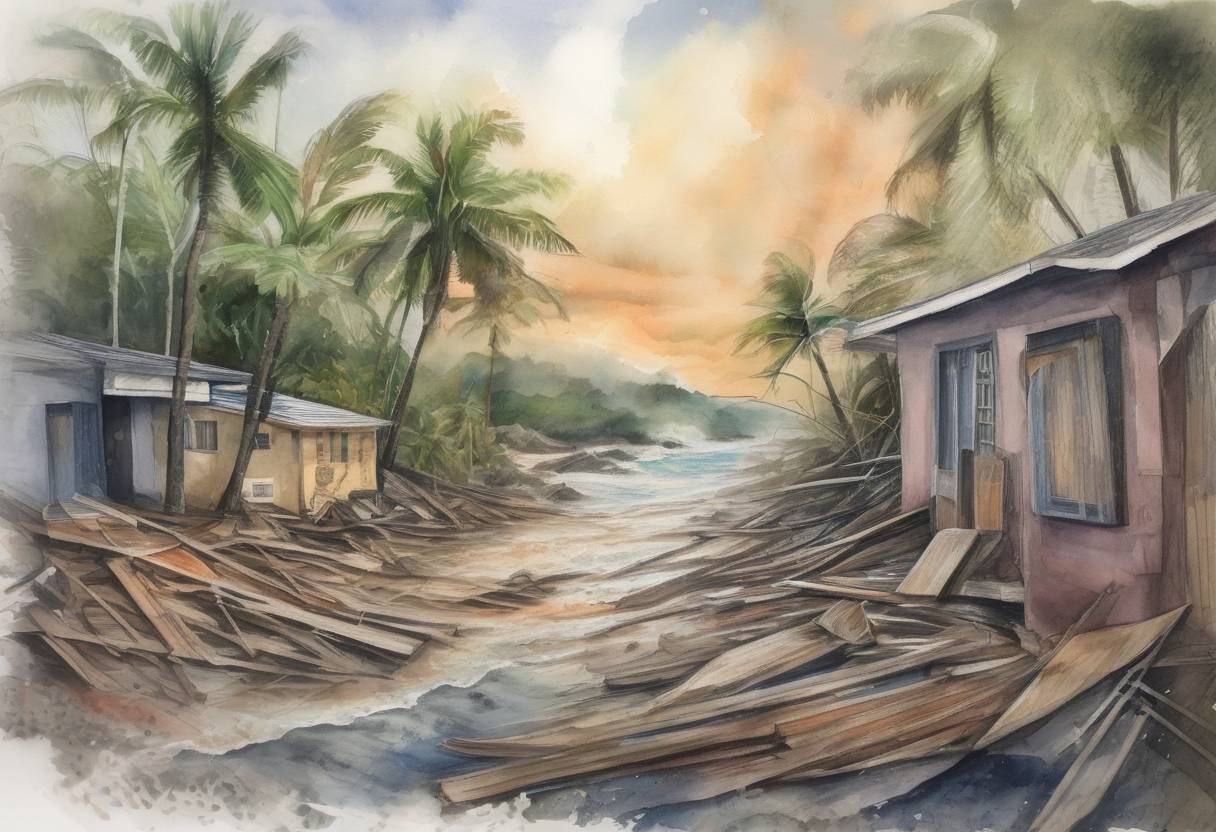
Hurricane Maria’s Landfall in Puerto Rico - September 21, 2017
On September 21, 2017, Hurricane Maria made landfall in Puerto Rico as a Category 4 hurricane, marking one of the most devastating natural disasters in the island’s history. With sustained winds of 155 mph, Maria was the strongest storm to hit Puerto Rico since 1928, leading to widespread destruction and a severe humanitarian crisis.
Context and Preceding Events
Hurricane Maria formed on September 16, 2017, in the Atlantic Ocean. It rapidly intensified, reaching Category 5 status before impacting the Caribbean. Prior to hitting Puerto Rico, Maria had already caused significant damage in Dominica and other parts of the Lesser Antilles.
Key Events on September 21, 2017
- Landfall: Maria struck Puerto Rico near Yabucoa at approximately 6:15 AM local time. The hurricane’s powerful winds and torrential rains led to catastrophic damage across the island.
- Infrastructure Damage: The storm severely damaged Puerto Rico’s infrastructure. The electrical grid was almost entirely destroyed, leaving the entire island without power. Communication networks were also heavily disrupted.
- Flooding and Landslides: Intense rainfall resulted in widespread flooding and landslides, further complicating rescue and relief efforts. Rivers overflowed, inundating communities and causing significant property damage.
- Casualties and Displacement: The hurricane resulted in numerous fatalities, with estimates of the death toll varying widely due to the complexities of the aftermath. Thousands were displaced from their homes, and many areas were left inaccessible.
Aftermath and Consequences
- Humanitarian Crisis: The destruction led to a severe humanitarian crisis. Access to clean water, food, and medical supplies became critical issues. The island’s healthcare system was overwhelmed, and many residents faced prolonged periods without basic necessities.
- Recovery Efforts: The response to the disaster was hampered by logistical challenges and the scale of the destruction. Recovery efforts were slow, and the island’s already fragile economy suffered further setbacks.
- Political and Social Impact: The hurricane highlighted longstanding issues related to Puerto Rico’s infrastructure and governance. It sparked discussions about the island’s political status and the adequacy of federal response to disasters in U.S. territories.
- Long-term Effects: The recovery process has been ongoing, with significant investments required to rebuild infrastructure and improve resilience against future storms. The event also prompted changes in emergency management and disaster preparedness strategies.
Broader Historical Significance
Hurricane Maria’s impact on Puerto Rico underscored the vulnerabilities of island communities to climate change and extreme weather events. It also brought attention to the challenges faced by U.S. territories in receiving timely and effective disaster relief. The hurricane’s aftermath has been a catalyst for policy discussions and reforms aimed at improving disaster response and resilience.
In summary, Hurricane Maria’s landfall on September 21, 2017, was a pivotal moment in Puerto Rico’s history, with lasting implications for the island’s infrastructure, economy, and governance. The event remains a poignant reminder of the power of nature and the importance of preparedness and resilience in the face of natural disasters.