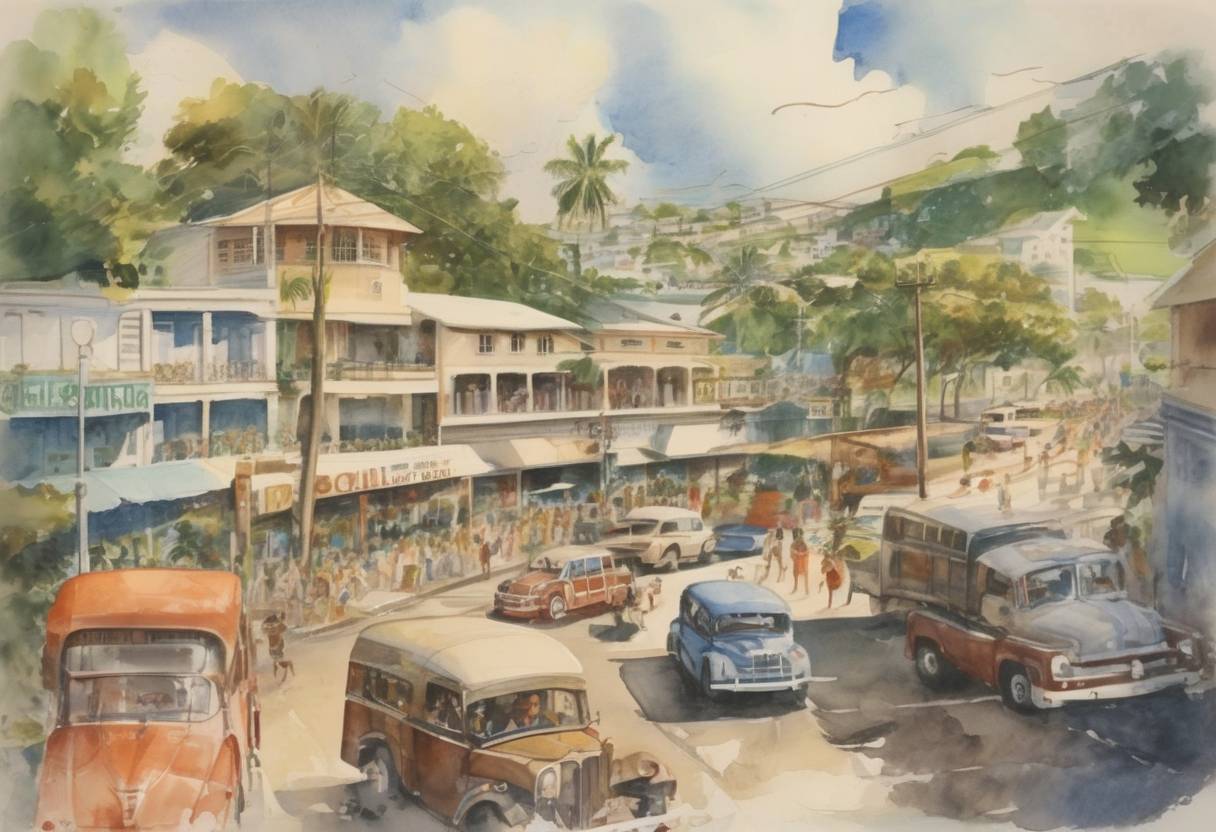
Barbados Gains Independence: November 30, 1966
On November 30, 1966, Barbados achieved a significant milestone in its history by gaining independence from the United Kingdom. This event marked the island’s transition to a sovereign nation while remaining a member of the Commonwealth of Nations. The journey to independence was characterized by a series of political developments and negotiations that reflected the broader decolonization movement occurring across the Caribbean and other parts of the world during the mid-20th century.
Historical Context
Barbados, a small island nation in the Caribbean, had been under British control since the early 17th century. Over the centuries, it developed a plantation-based economy heavily reliant on sugar production, which was sustained by the labor of enslaved Africans. The abolition of slavery in 1834 and subsequent social and economic changes gradually set the stage for increased political activism and demands for self-governance.
In the post-World War II era, the global wave of decolonization gained momentum, and many Caribbean territories began to seek greater autonomy. In Barbados, this movement was spearheaded by local political leaders and parties, most notably the Barbados Labour Party (BLP) and the Democratic Labour Party (DLP).
Path to Independence
The push for independence in Barbados was largely peaceful and characterized by political negotiations. In the early 1960s, the DLP, led by Errol Barrow, emerged as a dominant political force advocating for full independence. Barrow, who became the Premier of Barbados in 1961, played a crucial role in steering the island towards self-rule.
In 1965, the British government agreed to grant independence to Barbados, and the following year, the Barbados Independence Conference was held in London. The conference resulted in an agreement that set the date for independence as November 30, 1966.
Independence Day
On November 30, 1966, Barbados officially became an independent nation. The transition was marked by a grand ceremony attended by numerous dignitaries, including Princess Alice, Countess of Athlone, representing Queen Elizabeth II. Errol Barrow became the first Prime Minister of Barbados, and the island adopted a new constitution that established a parliamentary democracy.
Aftermath and Significance
The independence of Barbados was a pivotal moment in the island’s history, symbolizing the end of colonial rule and the beginning of a new chapter of self-determination. As a member of the Commonwealth, Barbados retained the British monarch as the ceremonial head of state, represented locally by a Governor-General.
Independence allowed Barbados to pursue its own economic and social policies, leading to significant developments in education, healthcare, and infrastructure. The island has since maintained a stable political environment and is often cited as a model of democratic governance in the Caribbean.
Barbados’ independence also contributed to the broader decolonization process in the Caribbean, inspiring other territories to seek self-governance and shaping the region’s post-colonial identity.
In summary, November 30, 1966, stands as a landmark date in Barbadian history, representing the culmination of a peaceful struggle for independence and the dawn of a new era of national sovereignty.