1862 · Washington, D.C., United States
President Abraham Lincoln signed the Homestead Act into law, which provided 160 acres of public land to settlers for a small fee, encouraging westward expansion in the United States.
May 30, 1854
The Kansas-Nebraska Act was signed into law by U.S. President Franklin Pierce, allowing territories to decide on the legality of slavery through popular sovereignty.
Washington, D.C., United States | U.S. Congress
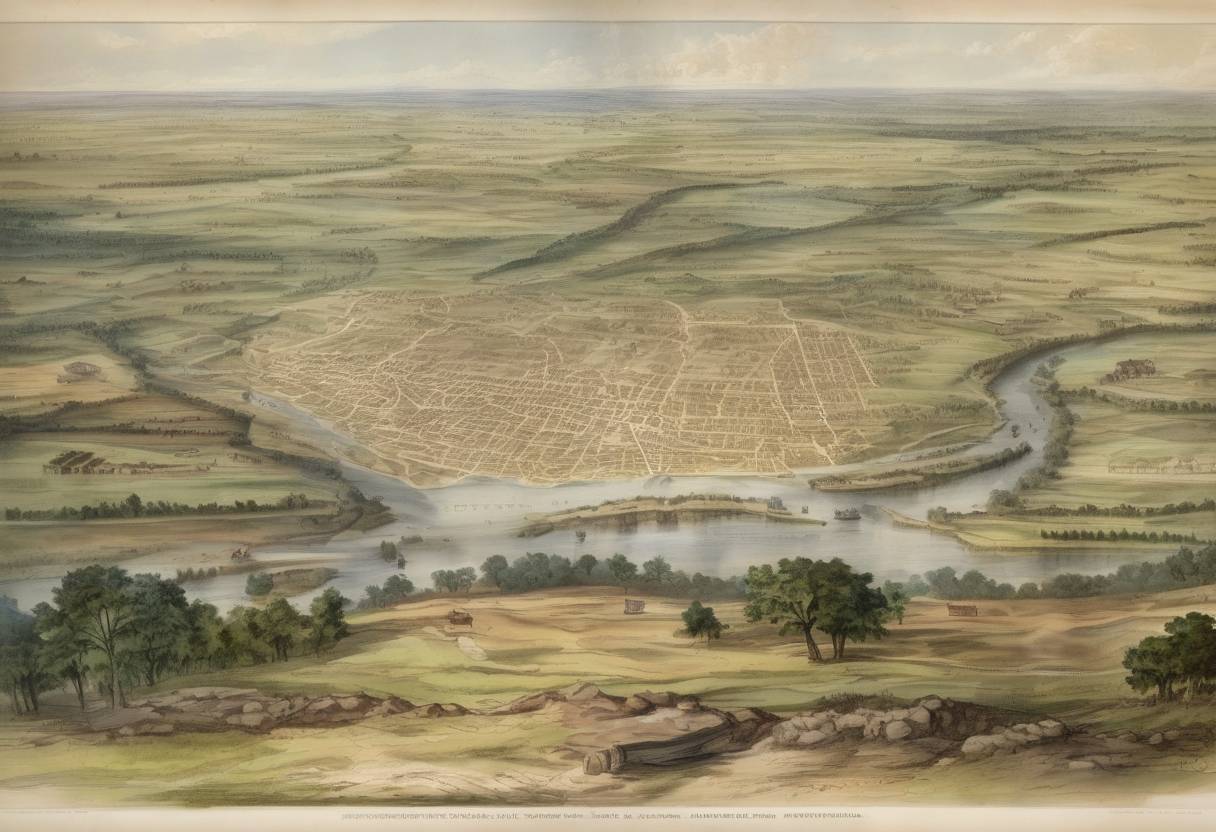
On May 30, 1854, U.S. President Franklin Pierce signed the Kansas-Nebraska Act into law, a pivotal piece of legislation that significantly impacted the political landscape of the United States in the years leading up to the Civil War.
The Kansas-Nebraska Act was introduced by Senator Stephen A. Douglas of Illinois. The primary aim was to facilitate the construction of a transcontinental railroad that would pass through the central United States. To achieve this, it was necessary to organize the vast territories west of Missouri and Iowa, which were then largely unorganized.
Territorial Organization: The Act created two new territories, Kansas and Nebraska, from the unorganized lands of the Louisiana Purchase.
Popular Sovereignty: It allowed the settlers of these territories to decide for themselves whether they would permit slavery, a concept known as “popular sovereignty.” This effectively repealed the Missouri Compromise of 1820, which had prohibited slavery north of the 36°30′ parallel.
“Bleeding Kansas”: The Act led to violent conflicts known as “Bleeding Kansas,” as pro-slavery and anti-slavery settlers flooded into Kansas to influence the vote on slavery. This period of violence foreshadowed the broader national conflict that would erupt in the Civil War.
Political Realignment: The Kansas-Nebraska Act contributed to the collapse of the Whig Party and the rise of the Republican Party, which was founded on an anti-slavery platform. It intensified sectional tensions between the North and South.
The Kansas-Nebraska Act is often seen as a catalyst for the American Civil War. By allowing the expansion of slavery into new territories, it heightened the national debate over slavery and increased sectional divisions. The Act’s reliance on popular sovereignty demonstrated the limitations of legislative compromises in resolving the moral and political conflicts surrounding slavery.
In summary, the Kansas-Nebraska Act was a significant turning point in American history, setting the stage for the intense sectional conflict that would eventually lead to the Civil War. Its legacy is a testament to the complexities and challenges of governance in a nation deeply divided over the issue of slavery.
Source: en.wikipedia.org