Presidential Election Runoff in Serbia - October 1, 2000
2000 · Belgrade, Serbia
Serbia holds a highly contentious presidential election runoff leading to widespread protests due to allegations of electoral fraud in favor of Slobodan Milošević.
June 5, 2006
Serbian Prime Minister Vojislav Koštunica declared the dissolution of the state union of Serbia and Montenegro following Montenegro's vote for independence.
Belgrade, Serbia | Government of Serbia
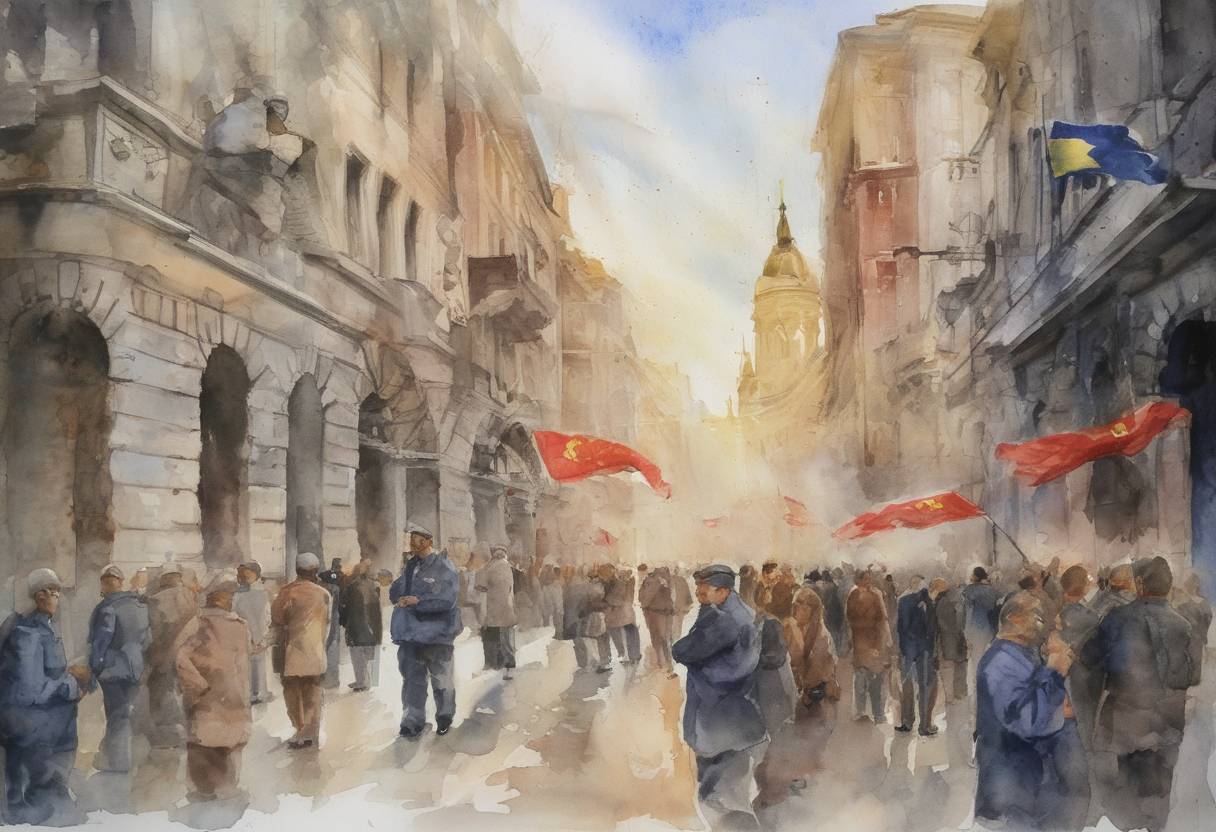
On June 5, 2006, Serbian Prime Minister Vojislav Koštunica officially declared the dissolution of the state union of Serbia and Montenegro. This significant political event followed Montenegro’s vote for independence, marking the end of the union between the two republics that had been part of the Federal Republic of Yugoslavia.
The state union of Serbia and Montenegro was established in 2003, replacing the Federal Republic of Yugoslavia, which had existed since 1992. The union was a result of the Belgrade Agreement, brokered by the European Union, which aimed to stabilize the region and provide a framework for cooperation between the two republics. However, the union was always seen as a temporary solution, with both republics retaining significant autonomy.
Montenegro’s Referendum: On May 21, 2006, Montenegro held a referendum to decide whether to become an independent nation. The referendum was conducted under international supervision, with a requirement that at least 55% of voters support independence for it to be recognized.
Results: The referendum results showed that 55.5% of Montenegrin voters favored independence, just surpassing the threshold set by the European Union.
Following the referendum, the Montenegrin Parliament formally declared independence on June 3, 2006. In response, on June 5, 2006, Serbian Prime Minister Vojislav Koštunica announced the dissolution of the state union, effectively acknowledging Montenegro’s decision and marking the end of the union.
International Recognition: Montenegro’s independence was quickly recognized by the international community, including the European Union and the United Nations. Serbia also recognized Montenegro as an independent state, maintaining diplomatic relations.
Serbia’s Status: With the dissolution of the union, Serbia became the legal successor state to the union of Serbia and Montenegro, inheriting its international rights and obligations.
Regional Impact: The peaceful separation of Serbia and Montenegro was seen as a positive development in the Balkans, a region that had experienced significant conflict in the 1990s. It demonstrated the potential for resolving national aspirations through democratic and peaceful means.
The dissolution of the state union of Serbia and Montenegro marked a pivotal moment in the history of the Balkans, highlighting the region’s ongoing transformation and the importance of self-determination in post-Yugoslav states.
Source: www.theguardian.com