Establishment of the First Church of Scientology
1954 · Los Angeles, United States
The first Church of Scientology is established in Los Angeles, California.
June 15, 1954
The first Church of Scientology is established in Los Angeles, California, by L. Ron Hubbard.
Los Angeles, United States | Church of Scientology
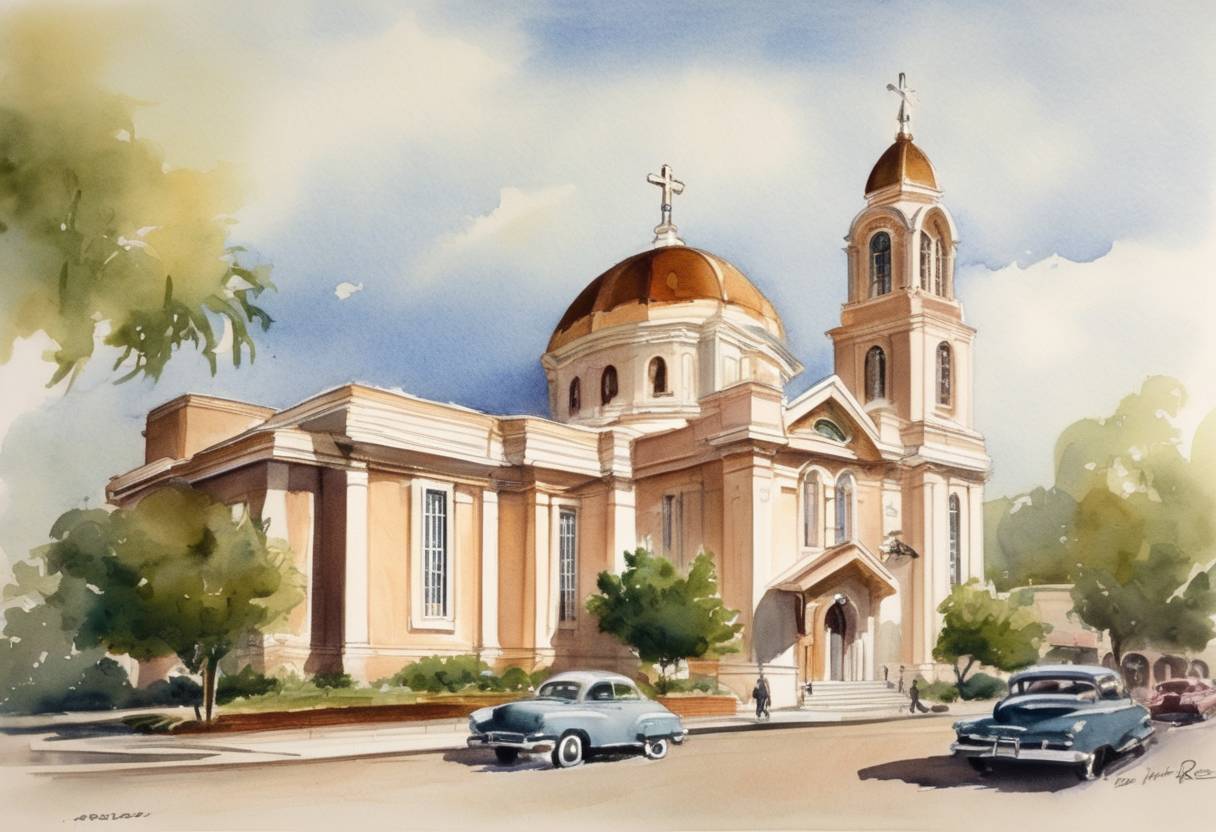
On June 18, 1954, the first Church of Scientology was established in Los Angeles, California, by L. Ron Hubbard. This marked a significant moment in the formalization of Scientology as a recognized religious organization. Founded by Hubbard, an American science fiction writer and philosopher, Scientology emerged from his earlier work known as Dianetics.
Dianetics: Before the creation of Scientology, L. Ron Hubbard released “Dianetics: The Modern Science of Mental Health” in 1950. The book outlined a new approach to mental well-being, focusing on what Hubbard termed as the “reactive mind” and proposing techniques to address it.
Evolving Beliefs: Following the publication of Dianetics, Hubbard’s ideas evolved into a more structured belief system. This led to the establishment of Scientology, positioning it as a religion that addressed the spiritual well-being of individuals.
Foundation of the Church: The official founding of the Church of Scientology of California created a formal structure for Hubbard’s teachings. The organization sought to offer religious services, auditing sessions, and training as described in Scientology doctrine.
Los Angeles Headquarters: Los Angeles was chosen as a strategic location due to its cultural influence and its potential to attract followers interested in new religious movements.
Expansion: Following its establishment, the Church of Scientology expanded rapidly, opening missions and churches in various cities across the United States and eventually around the world.
Religious Recognition: The establishment of the Church of Scientology aimed at gaining recognition as a legitimate religion, which would afford it certain legal protections and tax exemptions under U.S. law. This status also aimed to validate Scientology’s spiritual and philosophical claims.
Controversy and Criticism: Since its inception, Scientology has faced considerable controversy, including critiques of its practices, financial operations, and treatment of members. Nonetheless, it has also maintained a dedicated membership base globally.
Cultural Influence: Scientology has had a noticeable impact on popular culture, attracting some high-profile adherents from the entertainment industry, which has contributed to its prominence and visibility.
The establishment of the first Church of Scientology marked the beginning of its journey to becoming a prominent and often debated religious movement, with its unique blend of spirituality, self-help, and communal organization.
Source: en.wikipedia.org