Fidel Castro's Resignation from the Central Committee of the Communist Party of Cuba
2011 · Havana, Cuba
Fidel Castro resigned from the Central Committee of the Communist Party of Cuba, officially stepping down from his leadership role in the party.
April 21, 2005
Cuban President Fidel Castro relaunches the youth communist newspaper 'Juventud Rebelde', calling for a new era in Cuban journalism.
Havana, Cuba | Juventud Rebelde
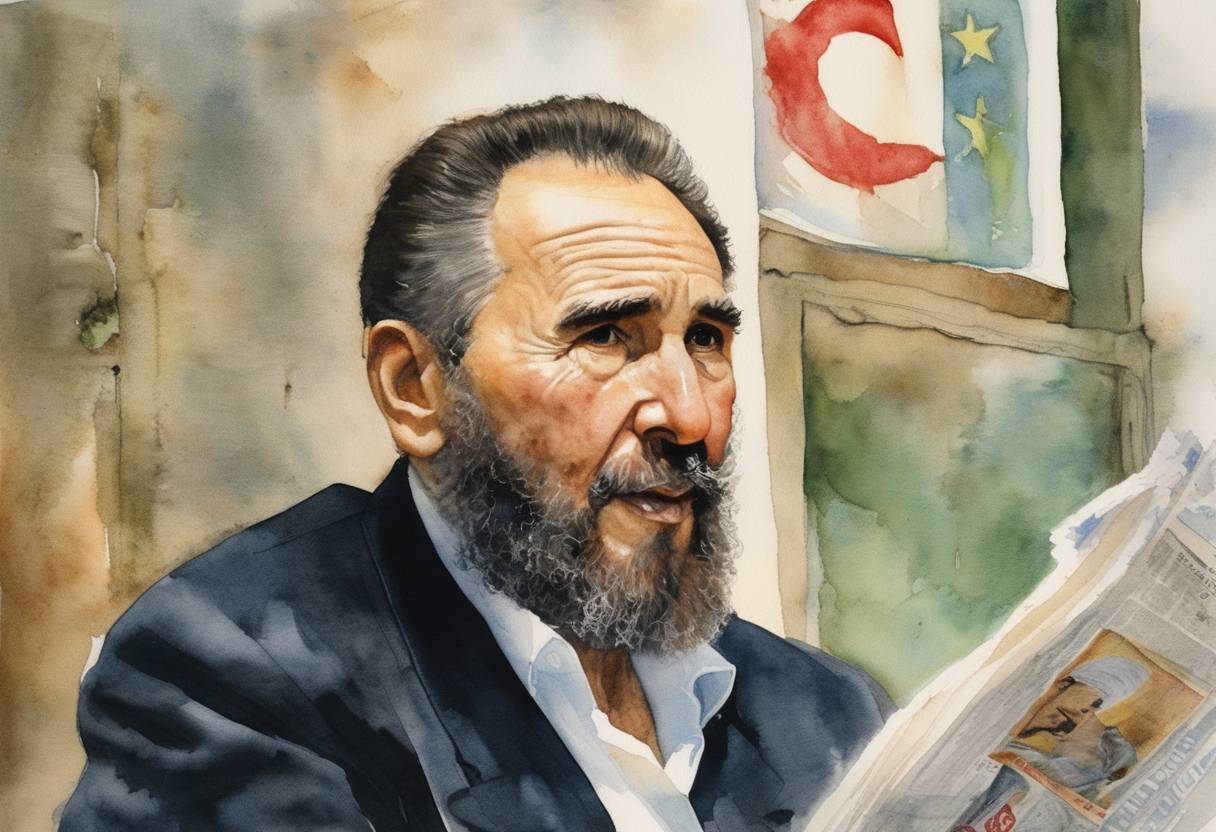
On April 21, 2005, Fidel Castro, then President of Cuba, officially relaunched the youth-focused communist newspaper Juventud Rebelde, marking a significant moment in Cuban journalism. The initiative was aligned with Castro’s broader vision of reinvigorating the Cuban media landscape with revolutionary zeal, focusing specifically on engaging and inspiring the younger generation of Cubans.
Juventud Rebelde was initially founded on October 21, 1965, as the mouthpiece for the Union of Young Communists, the youth wing of Cuba’s Communist Party. The newspaper aimed to educate young people about socialism and the values of the revolution, offering news tailored to their interests while aligning with the broader goals of the party.
In the early 2000s, however, Cuba’s media, including Juventud Rebelde, faced challenges such as stagnation in content and declining engagement among young readers. This prompted the Cuban government, under Fidel Castro’s direct influence, to rejuvenate the publication to better serve its purpose as a revolutionary tool and to tackle issues pertinent to contemporary youth.
The relaunch of Juventud Rebelde on April 21, 2005, was characterized by several key objectives:
Revitalized Content: Castro emphasized the need for the paper to cover more diverse topics that would resonate with young readers, such as international affairs, technology, culture, and social issues, while maintaining its revolutionary ethos.
New Editorial Perspective: The relaunch sought to incorporate sharper editorial content with investigative journalism that would provoke thought, encourage discourse, and foster a critical understanding of both national and global developments.
Enhanced Accessibility: Efforts were made to improve the distribution and availability of the newspaper, both in print and digital forms, to reach a wider audience inside and outside Cuba.
Fidel Castro’s involvement in the relaunch underscored the importance he placed on media as a cornerstone of ideological education and youth engagement in Cuba. Juventud Rebelde was seen as a strategic tool to cultivate the next generation of leaders and thinkers aligned with socialist values. This move also illustrated the ongoing adaptation of Cuban state media in response to changing societal needs and international conditions.
The relaunch of Juventud Rebelde represented a broader attempt within Cuba to reinvigorate state-owned media, ensuring it remained a relevant and compelling component of Cuban life and continued to uphold the revolutionary ideals that Fidel Castro and his government championed.
Source: www.latimes.com