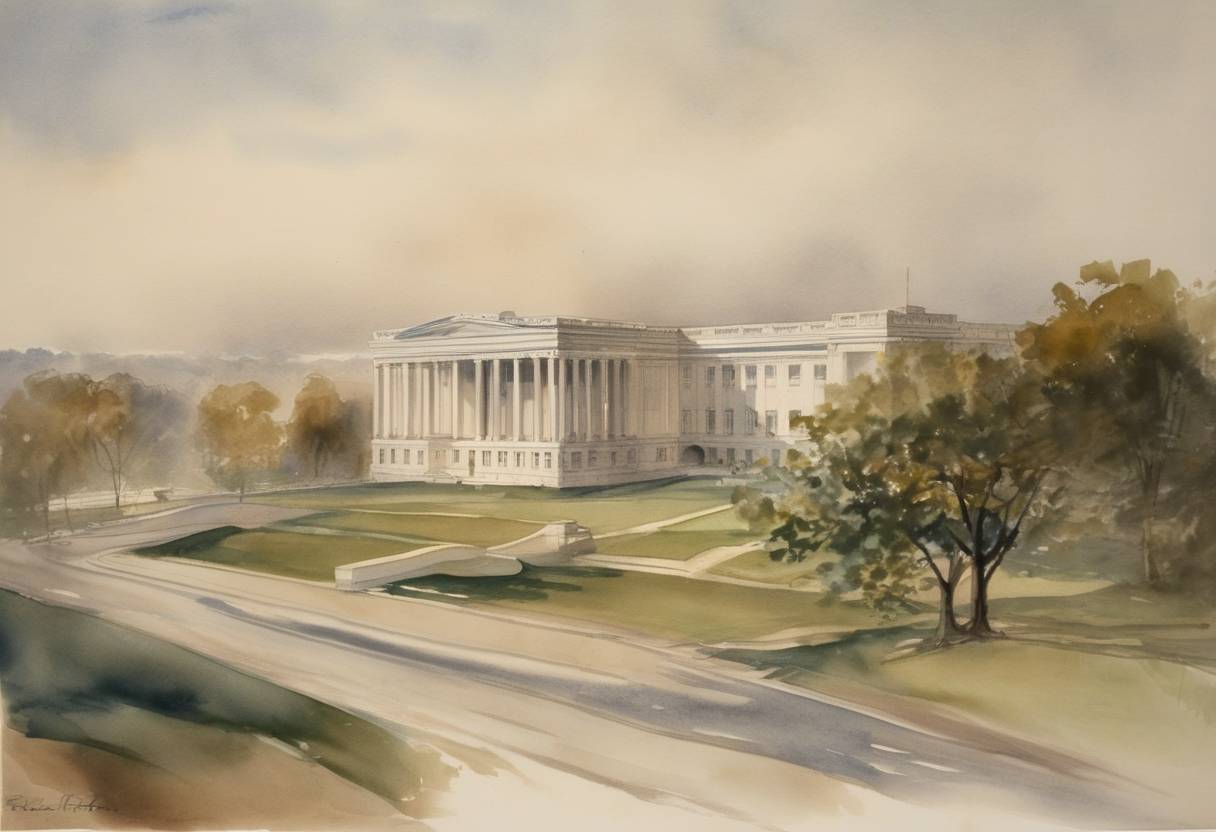
Rebecca L. Felton: The First Woman in the U.S. Senate
On November 21, 1922, Rebecca Latimer Felton of Georgia made history by becoming the first woman to serve in the United States Senate. Her appointment marked a significant milestone in the struggle for gender equality in American politics, even though her tenure was exceptionally brief—lasting only one day.
Context and Appointment
Rebecca Felton’s appointment to the Senate occurred in a period of significant political change following the ratification of the 19th Amendment in 1920, which granted women the right to vote. Georgia Governor Thomas W. Hardwick appointed her as a placeholder after the death of Senator Thomas E. Watson. The appointment was largely a symbolic gesture to honor Felton’s long-standing advocacy for progressive social causes, including women’s suffrage and education reform, even though Hardwick initially opposed the appointment and women’s suffrage.
Service and Significance
Felton was sworn in on November 21, 1922, despite her acknowledged status as a placeholder. Her appointment was unique because it coincided with a Senate recess. As a result, she did not actively participate in any legislative processes or debates during her short time in office.
Her one-day service is significant as it symbolically paved the way for more substantial female participation in federal government, highlighting the slowly shifting attitudes towards women’s involvement in politics. Her service also underscored the progress women were making in obtaining roles and recognition at high levels of government.
Aftermath
Rebecca Felton’s brief but historic service concluded when Walter F. George, who had won the special election to complete Watson’s term, took office. Although her time in the Senate was short-lived, Felton continued to be an influential figure in advocating for women’s rights and other social issues until her death in 1930.
Felton’s appointment to the Senate remains a noteworthy moment in U.S. history, representing both the progress made and the challenges that remained in achieving gender equality in politics. Her legacy is a testament to the ongoing struggle for women’s representation and serves as an inspiration for future generations.