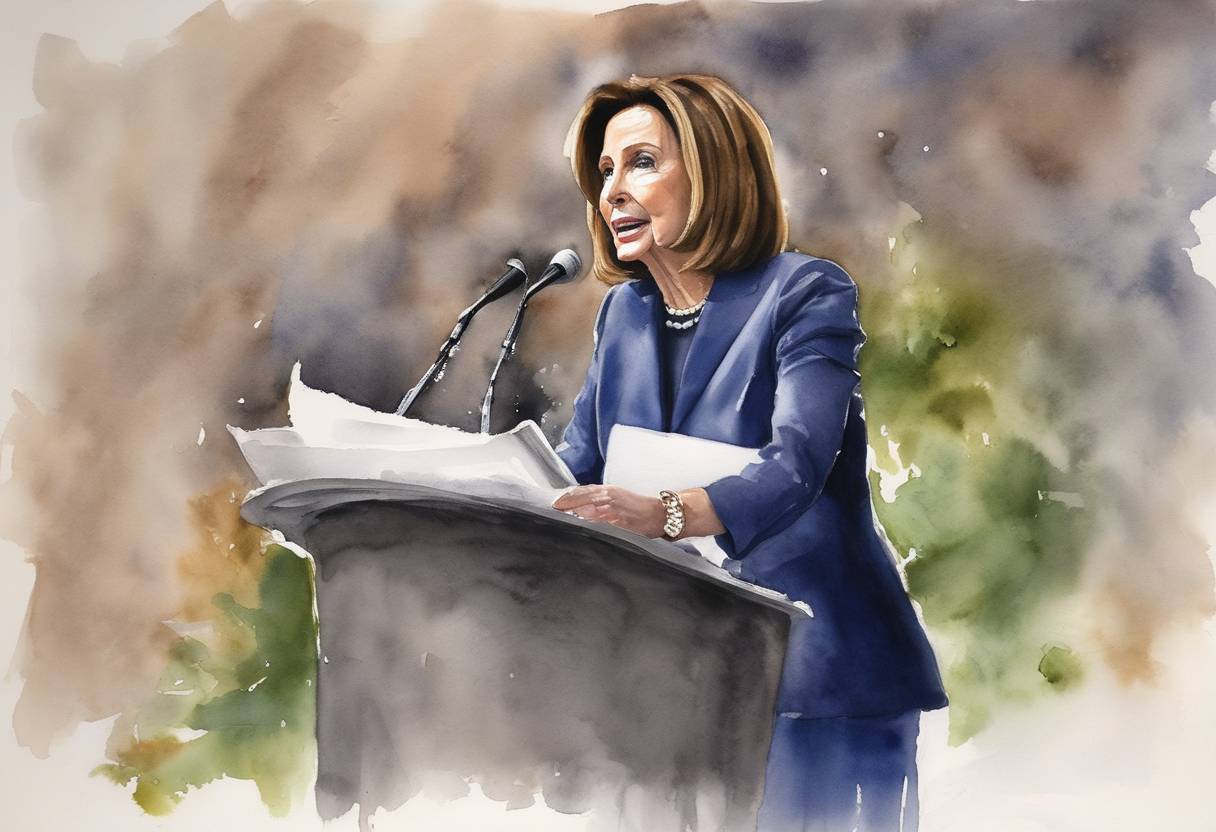
United States Midterm Elections - November 7, 2006
The United States midterm elections of 2006 took place on November 7th and were a significant political event, marking a pivotal shift in American legislative power. These elections involved all 435 seats in the United States House of Representatives, 33 seats in the United States Senate, and various state governorships and local elections across the country.
Democratic Party Gains Control
The 2006 midterms resulted in a notable victory for the Democratic Party, which successfully gained control of both houses of Congress from the Republican Party for the first time since 1994. This shift ended the Republican majority that had been in place for over a decade.
House of Representatives
In the House, Democrats overcame the Republicans by securing an additional 31 seats, surpassing the 15-seat gain required to control the chamber. This significant change was driven by widespread voter dissatisfaction with various issues, including the ongoing Iraq War and domestic affairs managed by the Bush administration.
Senate
The Senate witnessed a similarly impactful shift, with Democrats gaining six seats, enough to secure a narrow majority. This majority effectively shifted control from the Republicans, further solidifying the Democratic gains across the legislative landscape. The six Senate seats gained by Democrats were in Maryland, Missouri, Montana, Ohio, Pennsylvania, and Rhode Island.
Nancy Pelosi Becomes Speaker of the House
A historic outcome of the 2006 midterm elections was the election of Nancy Pelosi as the Speaker of the House. Upon assuming office, Pelosi made history by becoming the first female Speaker in United States history. Her leadership began in January 2007 when the new Congress convened.
Context and Consequences
Several factors contributed to this Democratic wave, including public discontent with the Iraq War, corruption scandals involving Republican representatives, and concerns over economic issues and the response to Hurricane Katrina. The shift represented a broader call for change in leadership and policy directions, reflecting the electorate’s desire for new approaches to national and international challenges.
The 2006 midterms significantly altered the political landscape in the United States. The Democratic majority in Congress allowed the party to exert greater influence over legislation and government oversight, particularly in setting the legislative agenda and conducting investigations into the executive branch’s actions.
The results of the 2006 midterm elections underscored the dynamic and often volatile nature of American politics, demonstrating how public sentiment can dramatically influence the balance of power within the federal government.