Chandrayaan-1: India's First Lunar Mission
2008 · Sriharikota, India
India successfully launches its first lunar mission, Chandrayaan-1, marking the country's significant step in space exploration.
October 21, 2008
India launched its first lunar probe, Chandrayaan-1, marking a significant milestone in its space exploration efforts. The mission aimed to map the Moon's surface and search for water.
Sriharikota, India | Indian Space Research Organisation (ISRO)
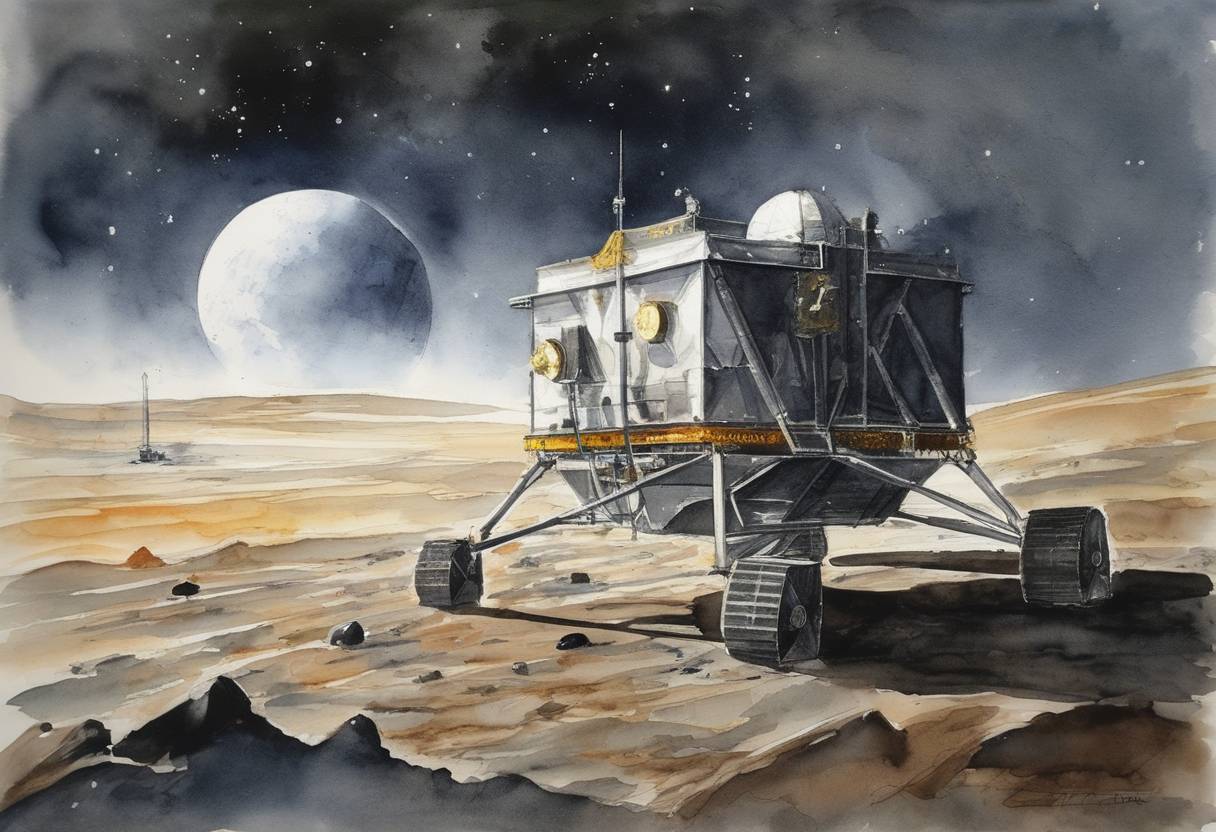
On October 21, 2008, India embarked on a significant chapter in space exploration with the launch of its first lunar probe, Chandrayaan-1. This ambitious mission was executed by the Indian Space Research Organisation (ISRO), marking India’s entry into the exclusive group of nations with the capability to conduct deep space exploration.
Chandrayaan-1 had several key objectives focused on advancing scientific understanding and enhancing India’s technological capabilities in space:
Chandrayaan-1 was equipped with a suite of scientific instruments developed in collaboration with various international space agencies:
Chandrayaan-1 provided critical data that contributed significantly to lunar science:
The success of Chandrayaan-1 bolstered India’s reputation as an emerging space power and laid the groundwork for future missions, including Chandrayaan-2 and Chandrayaan-3. This mission also showcased ISRO’s capability to collaborate internationally, drawing on the expertise and instruments from various countries to maximize scientific returns.
Chandrayaan-1’s launch on October 21, 2008, was a testament to India’s growing prowess in space exploration and its commitment to advancing scientific knowledge. The mission’s accomplishments have had lasting impacts on lunar science and inspired subsequent generations of space exploration initiatives.
Source: www.nasa.gov