Accident in the Soyuz Program: July 29, 1967
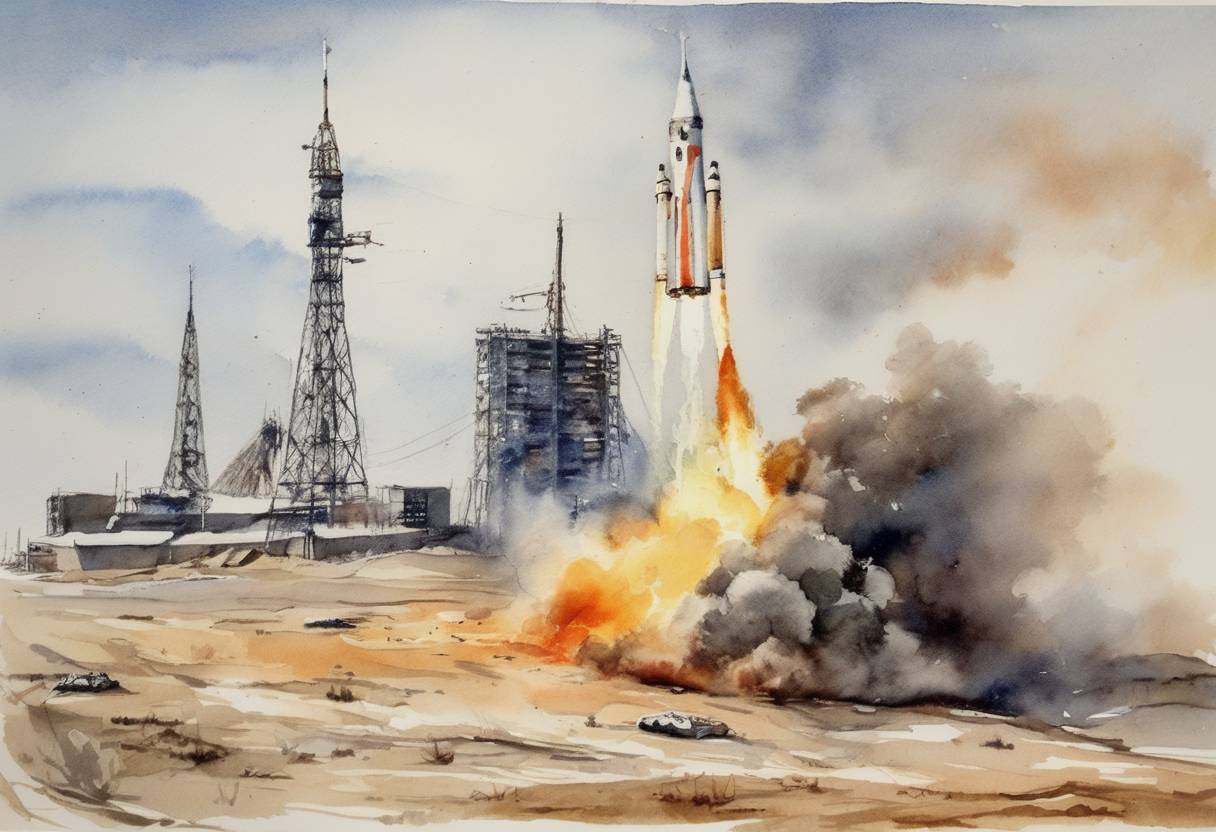
On July 29, 1967, a tragic accident occurred at the Baikonur Cosmodrome in Kazakhstan, then part of the Soviet Union, marking a dark day in the history of the Soviet space program. The incident involved an accidental rocket launch during training preparations for the Soyuz program, one of the USSR’s pivotal space exploration initiatives aimed at human spaceflight.
Incident Overview
During pre-launch preparations at the cosmodrome, a technical malfunction caused a rocket engine to ignite unexpectedly. This sudden ignition resulted in an explosion near the launchpad, leading to the death of a cosmonaut candidate and injuring several others. The precise details surrounding the technical error remain complex, but it is understood that a series of procedural oversights and equipment malfunctions played a critical role.
Impact on the Soyuz Program
The accident had immediate repercussions for the Soyuz program. It catalyzed a rigorous overhaul of safety protocols and procedures. Emphasis was placed on improving safety measures, including thorough checks of all equipment and processes leading to a launch. This tragedy highlighted the inherent dangers of space exploration and the critical need for stringent safety standards to protect those involved in the program.
Historical Context and Consequences
The Soyuz program, which began in the early 1960s, was central to Soviet aspirations of surpassing American achievements in the space race. This incident was a stark reminder of the human cost of space exploration. It prompted a temporary program slowdown as investigations were conducted and safety standards were reinforced. The changes implemented in the aftermath contributed to the increased reliability of later Soyuz missions.
Broader Significance
The July 1967 accident underscored the volatile nature of early space exploration efforts, both in the Soviet Union and globally. The tragedy and subsequent improvements in safety protocols eventually enabled the Soyuz program to continue successfully, leading to numerous manned missions and serving as a foundation for future achievements.
This event’s legacy is a testament to the resilience of the early pioneers of space exploration who forged ahead despite significant risks, ultimately contributing to the development of safer and more reliable space travel in subsequent decades.