Winston Churchill's First Speech as Prime Minister
1940 · London, United Kingdom
Winston Churchill delivers his first speech as Prime Minister of the United Kingdom, famously stating, 'I have nothing to offer but blood, toil, tears, and sweat.'
October 25, 1924
The Zinoviev letter, a controversial document purportedly from the Soviet Union urging British communists to engage in seditious activities, was published in the Daily Mail, influencing the British general election.
London, United Kingdom | Daily Mail
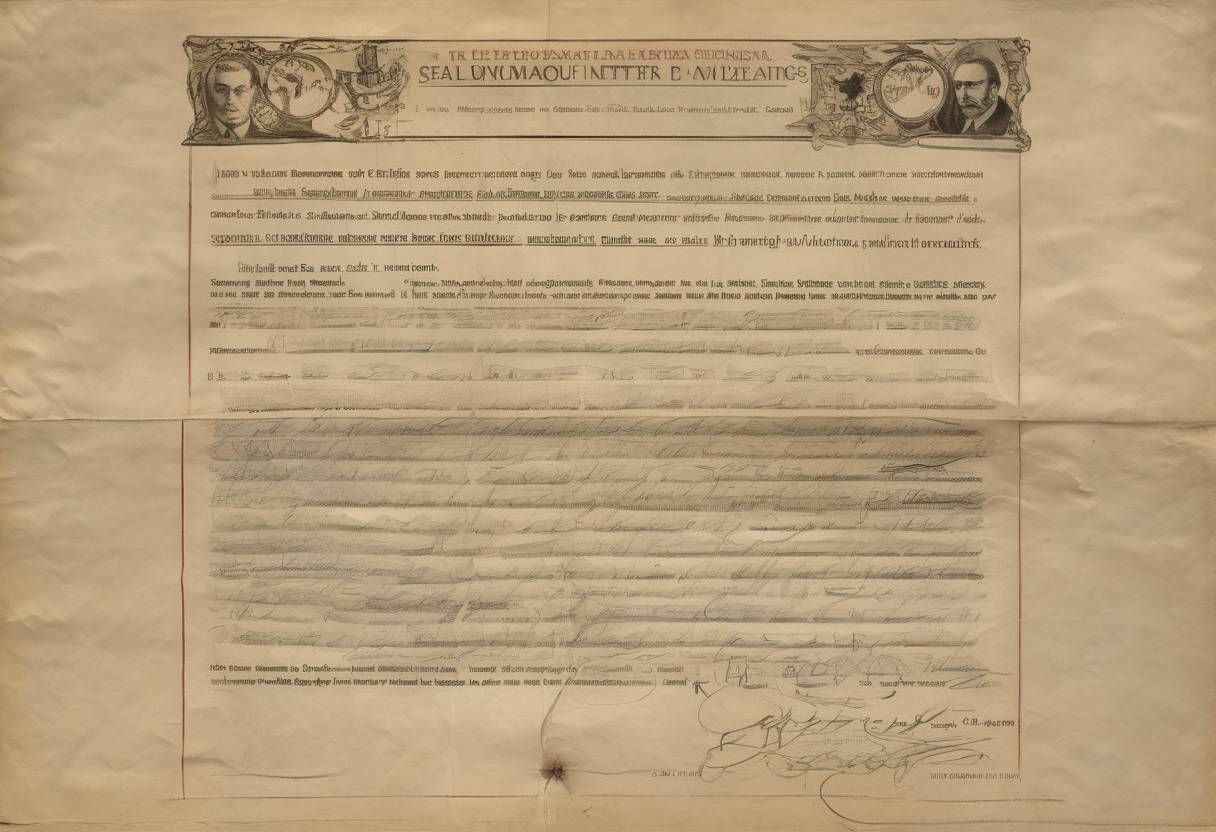
On October 25, 1924, the British newspaper The Daily Mail published a document that would become one of the most controversial episodes in British political history: the Zinoviev Letter. This letter, purportedly from Grigory Zinoviev, a prominent Soviet official and head of the Communist International (Comintern), was addressed to the Communist Party of Great Britain. It allegedly urged British communists to engage in seditious activities to undermine the British government and promote revolution.
The publication of the Zinoviev Letter came at a politically sensitive time in Britain. The country was on the brink of a general election, scheduled for October 29, 1924. The Labour Party, led by Ramsay MacDonald, had formed its first-ever government earlier that year, albeit as a minority administration. The Labour government had been under constant scrutiny and criticism, particularly from the Conservative Party and right-leaning media, who were eager to portray Labour as being sympathetic to communism.
Political Climate: The early 1920s were marked by post-World War I economic difficulties and social unrest in Britain. The fear of communism, fueled by the recent Russian Revolution, was palpable among the British public and political establishment.
Diplomatic Relations: The Labour government had been working to establish diplomatic and trade relations with the Soviet Union, which was a contentious issue in British politics. Many viewed these efforts with suspicion, fearing they might lead to increased Soviet influence in Britain.
The Daily Mail’s Role: On October 25, 1924, The Daily Mail published the Zinoviev Letter, claiming it was evidence of a Soviet plot to interfere in British politics. The timing of the publication, just days before the general election, was critical.
Political Consequences: The letter’s publication had a significant impact on the election. It played into existing fears about communism and cast doubt on the Labour Party’s foreign policy. The Conservatives, led by Stanley Baldwin, capitalized on the situation, using it to question Labour’s loyalty to Britain.
Election Outcome: The Conservatives won a decisive victory in the election, and Ramsay MacDonald’s Labour government was ousted. The Zinoviev Letter is widely believed to have contributed to this outcome, although the extent of its influence remains debated.
Authenticity Debates: The authenticity of the Zinoviev Letter has been a subject of debate for decades. Many historians and analysts now believe it was a forgery, possibly created by elements within the British intelligence community or by anti-communist factions to discredit the Labour government.
Long-term Impact: The incident highlighted the power of media and propaganda in shaping political outcomes. It also underscored the deep-seated fears of communism that influenced British politics throughout the 20th century.
Legacy: The Zinoviev Letter remains a cautionary tale about the potential for misinformation to influence democratic processes. It serves as an example of how political manipulation and media sensationalism can alter the course of history.
In summary, the Zinoviev Letter was a pivotal moment in British political history, illustrating the volatile interplay between media, politics, and public perception during a time of international tension and domestic uncertainty.
Source: en.wikipedia.org