The Launch of the Intel Pentium Microprocessor: March 22, 1993
1993 · Santa Clara, United States
The Intel Corporation produced the first Pentium microprocessor, marking a significant advancement in computer technology.
April 22, 1991
Intel released the first Intel 486DX2 microprocessor, marking a significant advancement in computer processing technology.
Santa Clara, United States | Intel Corporation
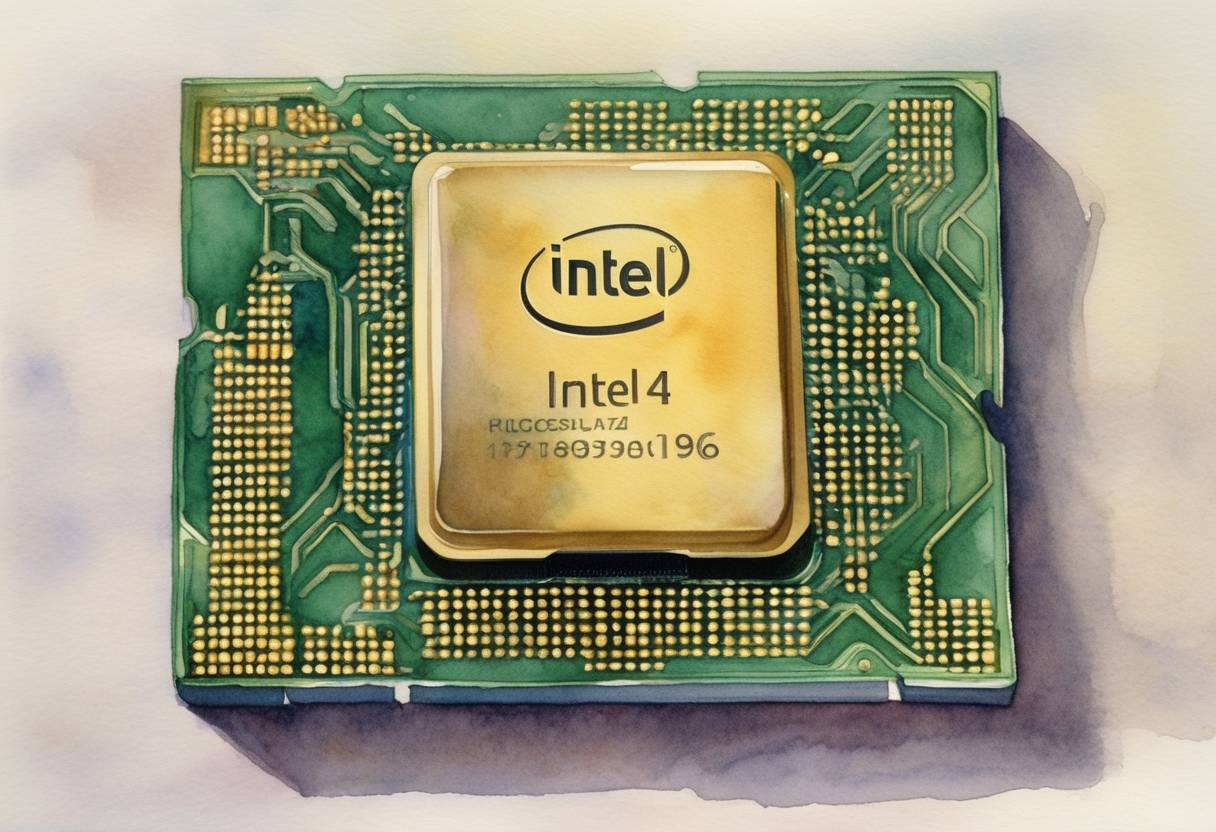
On April 22, 1991, Intel Corporation released the first Intel 486DX2 microprocessor, a pivotal moment in the evolution of computer technology. This release is notable for several reasons:
Intel’s 486DX2 played a crucial role during a transformative period in the computing industry, contributing to the proliferation of more powerful personal computers. Its introduction coincided with rapidly increasing demands for better performance and higher processing speeds as computer networking and graphics began gaining importance during the early 1990s.
The success of the Intel 486DX2 microprocessor set a precedent for future advancements in chip technology, emphasizing the importance of internal speed enhancements and integrated processing features. It laid the groundwork for the development and release of subsequent generations of Intel processors, continuing the trend of exponential growth in computing capabilities.
Overall, the launch of the Intel 486DX2 was a defining moment that highlighted the continuous evolution of microprocessor technology, crucial for meeting the growing needs of an increasingly computerized world.
Source: www.intel.com