Publication of Shakespeare's Sonnets - May 20, 1609
1609 · London, England
Thomas Thorpe published Shakespeare's sonnets in London, which included 154 sonnets, many of which are considered among the greatest in the English language.
May 28, 1738
Elegiac poet Edward Young publishes the first part of his poem series 'The Complaint: or, Night-Thoughts on Life, Death & Immortality'.
London, Great Britain
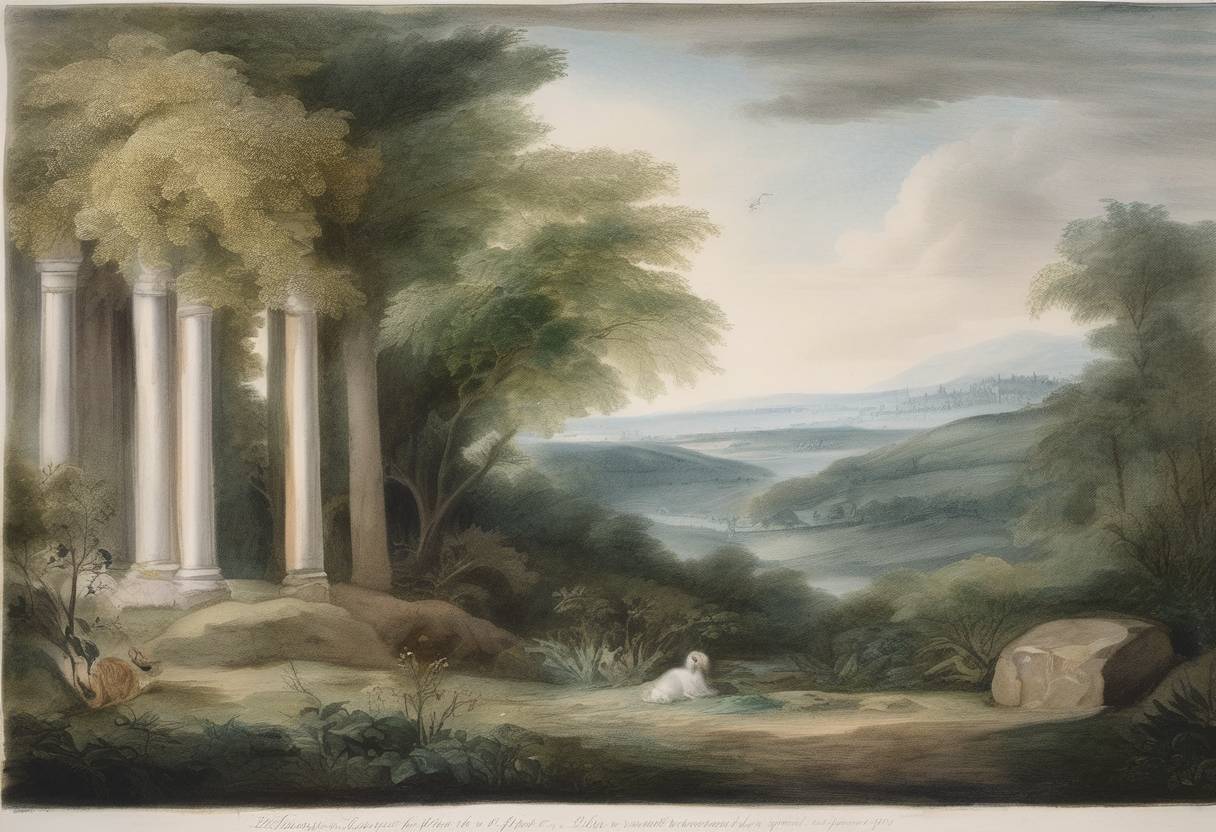
On May 28, 1738, the English poet and clergyman Edward Young published the first part of his major poetic work, “The Complaint: or, Night-Thoughts on Life, Death & Immortality.” This publication marked the beginning of a nine-part poem series that would profoundly impact the elegiac tradition in English literature.
Edward Young (1683–1765) was an established writer by the time he published “Night-Thoughts.” He had previously gained recognition for his satirical works and dramas. However, it was “Night-Thoughts” that solidified his reputation in the literary world. The poem series reflected Young’s deep meditations on human existence, mortality, and philosophical concerns, influenced by personal losses and his contemplation of life’s transience.
The first volume, which was released on this date in 1738, introduced the bleak yet introspective style that would characterize the entire series. Written in blank verse, “Night-Thoughts” employed a sombre, reflective tone, exploring themes such as death, the passage of time, and the eternal nature of the soul. Each “night” serves as a separate poem within the series, with Young often addressing these thoughts as conversations with his friends and family who had passed away.
Young’s work is notable for its exploration of grief and the quest for spiritual solace, echoing the era’s religious and philosophical discourses. It delves into the existential crisis faced by individuals when confronted with their mortality, offering both a critique of and a solution to the vanity of worldly achievements.
“The Complaint: or, Night-Thoughts” was immensely popular during Young’s lifetime, influencing not only contemporary readers but also future generations of poets, including the Romantic poets who found inspiration in Young’s emotional and introspective style. The poem’s exploration of existential themes resonated with Enlightenment thinkers and contributed significantly to the development of both the graveyard school of poetry and the broader literary tradition of the period.
The combination of its philosophical depth and poetic elegance ensures that “Night-Thoughts” remains a significant work in the canon of English literature, underscoring Edward Young’s legacy as a pivotal figure in the elegiac tradition.
Source: en.wikipedia.org