U.S. President Bill Clinton's Testimony on August 17, 1998
1998 · Washington, D.C., United States
U.S. President Bill Clinton admits in taped testimony that he had an "improper physical relationship" with White House intern Monica Lewinsky.
May 17, 2021
US President Joe Biden signed a hate crimes law addressing hate crimes against Asian Americans, a priority during his administration in response to rising anti-Asian attacks during the COVID-19 pandemic.
Washington, D.C., USA | White House
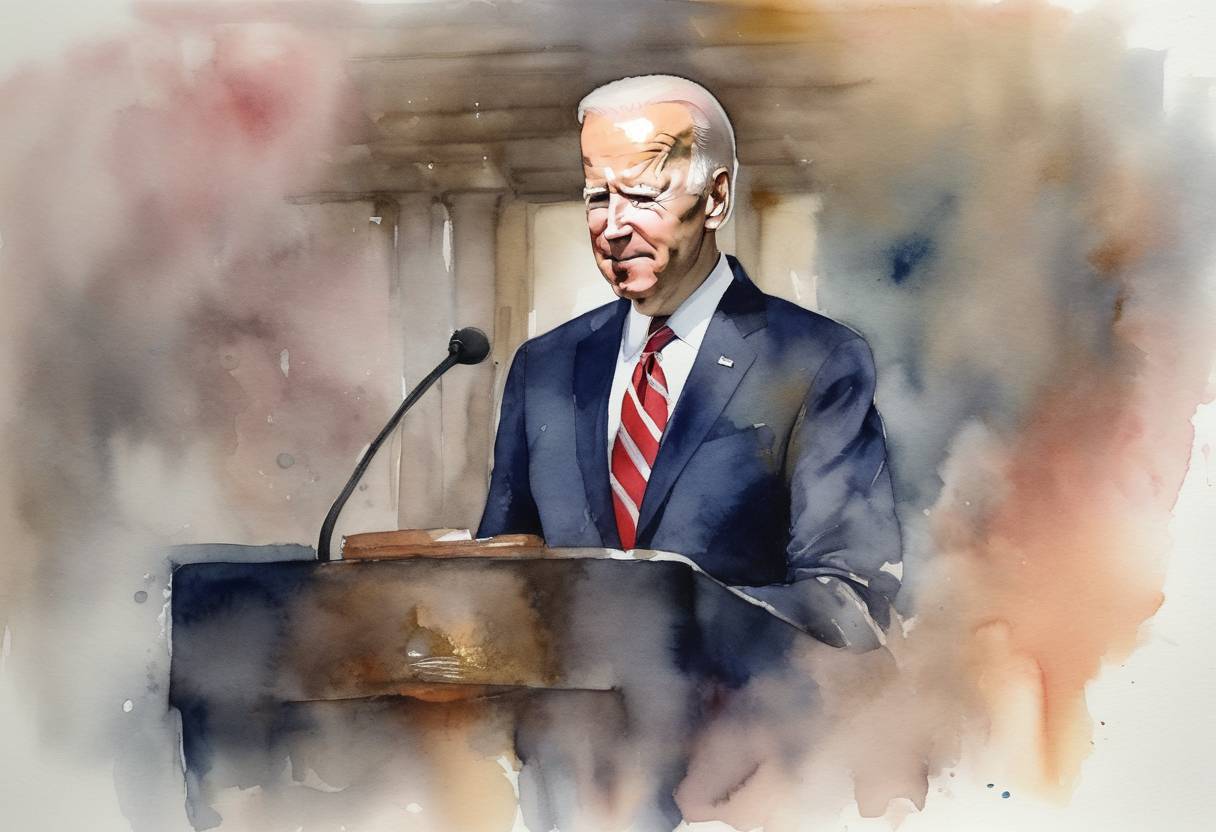
On May 17, 2021, President Joe Biden signed into law the COVID-19 Hate Crimes Act, a significant legislative step aimed at addressing the surge in hate crimes against Asian Americans. This law became a priority for the Biden administration amidst the backdrop of increased discriminatory incidents targeting Asian American and Pacific Islander (AAPI) communities during the COVID-19 pandemic.
The coronavirus pandemic saw a troubling rise in hate crimes and xenophobic rhetoric directed towards Asians and Asian Americans in the United States. This uptick in violence and discrimination prompted widespread calls for federal action to address these injustices.
The COVID-19 Hate Crimes Act aims to expedite the Justice Department’s review of hate crimes. It also enhances support for local law enforcement, ensuring better reporting and response to such incidents. Key provisions include:
Designation of a Point Person: The law mandates the Department of Justice (DOJ) to appoint an official to expedite the review of hate crimes reports related to COVID-19.
Guidance for Law Enforcement: The Act includes provisions for developing guidance to raise awareness of hate crimes during the pandemic and to improve the process for reporting these crimes.
Support for Community-Based Approaches: It encourages community outreach and requires law enforcement agencies to establish online systems for reporting hate crimes.
The signing of this legislation represented a crucial federal acknowledgment of the challenges faced by AAPI communities. It underscored the Biden administration’s commitment to combating racial discrimination and ensuring equal protection under the law. The enactment of this law signified an important step in reinforcing efforts toward racial justice and public safety, reflecting deeper societal movements advocating against racism and bigotry in all forms.
Following its enactment, federal and local leaders, along with advocacy groups, emphasized the need for ongoing vigilance and community engagement to ensure the law’s effective implementation. The legislation has set a foundational framework for addressing hate crimes, aiming to foster a more inclusive and secure environment for all Americans, particularly minorities.
The COVID-19 Hate Crimes Act remains a milestone in the legal landscape, highlighting a broader commitment to protecting civil rights and promoting a more equitable society.
Source: www.nytimes.com