Dennis Tito: The First Space Tourist
2001 · Baikonur, Kazakhstan
Dennis Tito became the first space tourist, launching aboard the Russian Soyuz TM-32 mission to the International Space Station.
November 2, 2000
The International Space Station's first resident crew arrives for Expedition 1.
Space, International | NASA and Russian Space Agency
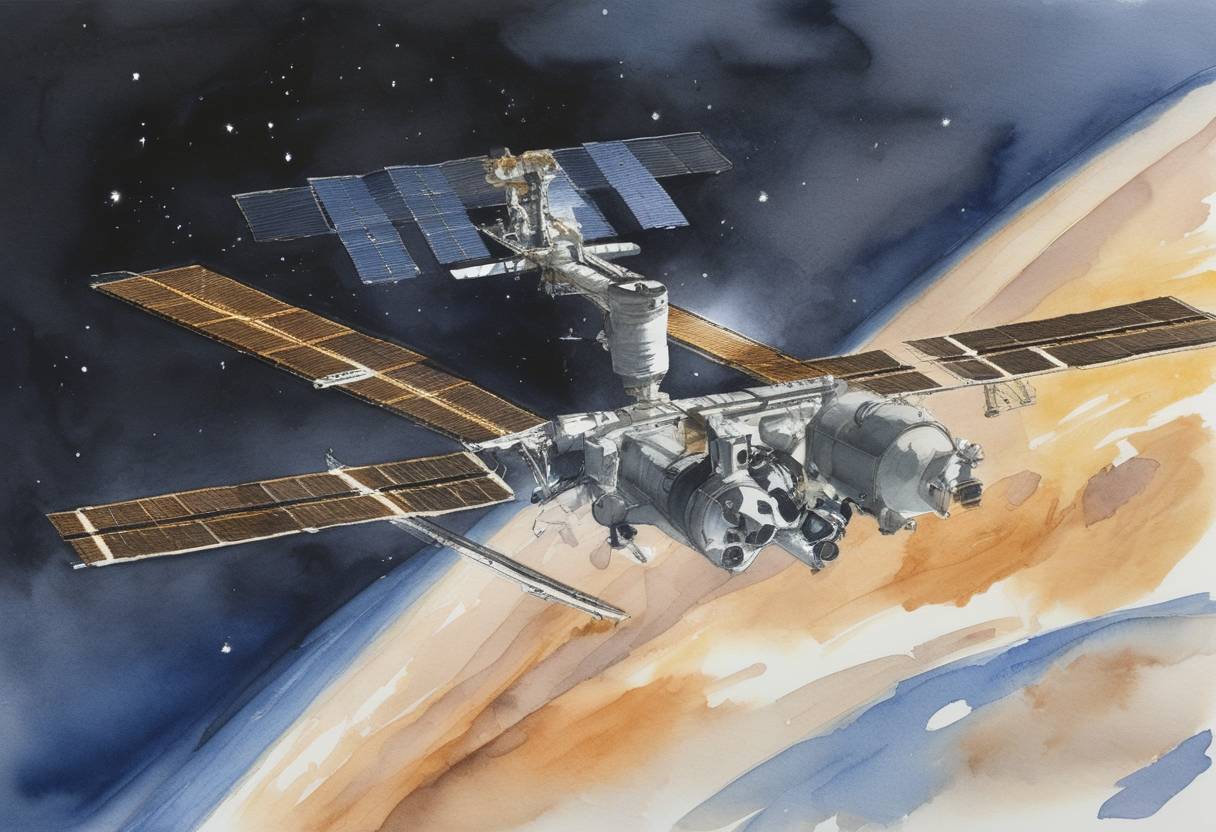
On November 2, 2000, the International Space Station (ISS) began its first permanent human occupation with the arrival of Expedition 1. This marked a pivotal moment in space exploration, signifying the start of continuous human presence in space.
The Expedition 1 crew consisted of three members:
The crew launched aboard the Russian Soyuz TM-31 spacecraft from the Baikonur Cosmodrome in Kazakhstan on October 31, 2000. After a carefully planned two-day orbital transit, they successfully docked with the ISS on November 2, 2000. This marked the beginning of a new era of international cooperation and scientific research on the ISS.
Expedition 1’s mission was crucial for establishing operational procedures for the ISS, including:
The crew’s efforts laid the groundwork for future missions and the ongoing maintenance and expansion of the ISS.
The arrival of Expedition 1 demonstrated international cooperation between space agencies, mainly NASA, and Roscosmos. It underscored the collaborative efforts necessary for the safe and successful habitation of the ISS. The mission set the stage for future scientific endeavors and developments in sustainable human space exploration.
The continuous occupation and operation of the ISS have resulted in significant scientific discoveries and technological advancements, fostering a better understanding of space’s effects on the human body and testing technologies for future deep-space exploration missions.
Source: www.nasa.gov