The First National Thanksgiving Day in the United States: November 26, 1863
1863 · Washington, D.C., United States
The first national Thanksgiving Day is celebrated in the United States.
June 28, 1894
Labor Day becomes an official holiday in the United States after being declared a federal holiday by President Grover Cleveland.
Washington, D.C., United States | U.S. Government
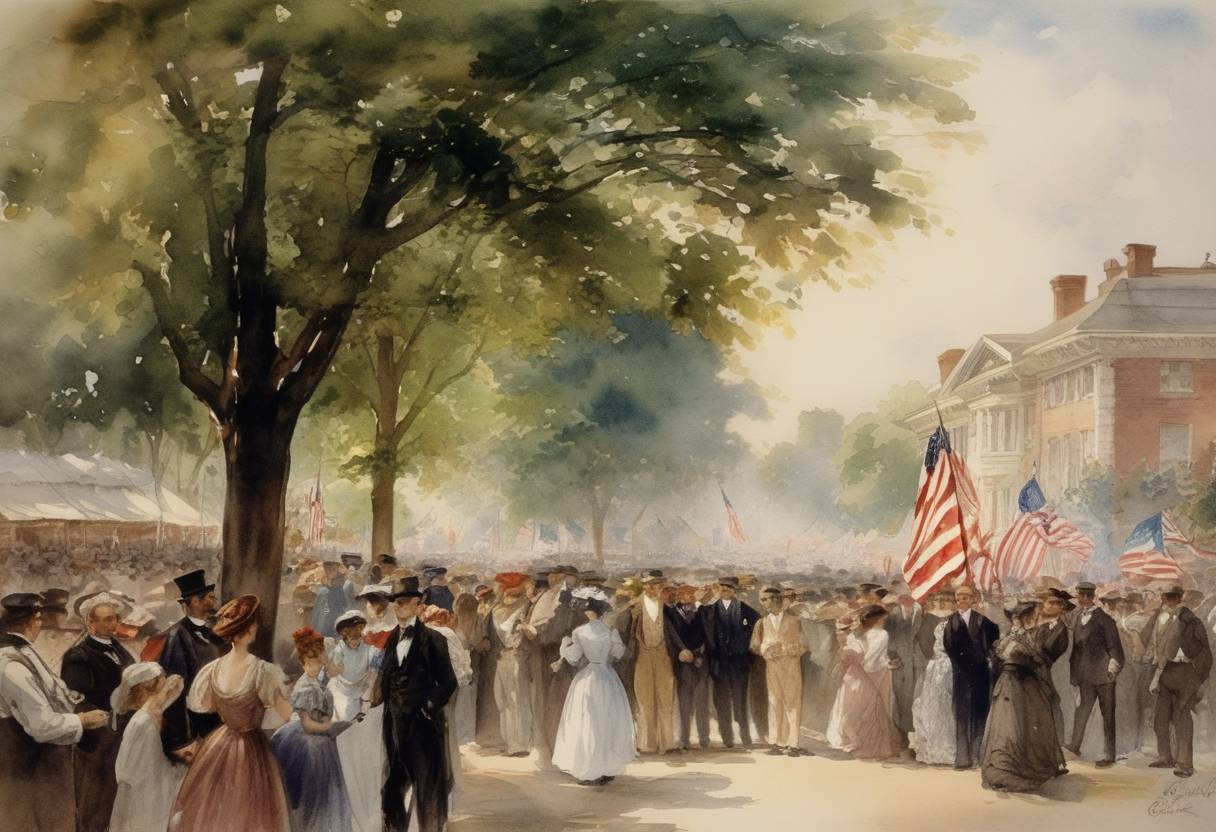
On June 28, 1894, President Grover Cleveland signed a bill into law making Labor Day a federal holiday in the United States. This event marked a significant moment in the history of labor rights in the country, recognizing the contributions of American workers and the labor movement towards the nation’s economic strength and social well-being.
Labor Day originated from the labor movement during the late 19th century, a time characterized by industrial expansion and the rise of labor unions in the U.S. Workers faced long hours, unsafe working conditions, and inadequate wages, prompting the formation of unions and the organization of strikes and rallies for better labor standards.
The first unofficial Labor Day parade took place on September 5, 1882, in New York City, organized by the Central Labor Union. Similar celebrations spread across various states, highlighting the push for a nationwide recognition of the labor movement.
The early 1890s in the United States were marked by significant labor unrest. A notable event was the Pullman Strike in May 1894. It originated from the Pullman Company workers in Chicago who protested against wage cuts and high rents in company-owned housing. The strike escalated, affecting railroad traffic nationwide and requiring federal intervention.
In response to the growing labor tensions and seeking to reconcile with workers, Congress introduced legislation to establish Labor Day as an official holiday. The urgency was intensified by the violent clashes between workers and government forces during the Pullman Strike, which left a negative impression on the federal administration.
The bill to recognize Labor Day as a national holiday was swiftly passed by both the Senate and the House of Representatives as a gesture of goodwill towards the American workforce. On June 28, 1894, President Grover Cleveland signed the legislation into law, officially designating the first Monday in September as Labor Day.
Labor Day’s recognition as a federal holiday signaled the government’s acknowledgment of the labor movement’s importance and sought to improve relations with workers. It served to honor labor’s contributions to society and prompted further conversations about workers’ rights and protections.
Since its establishment, Labor Day has become a celebration of American labor and is marked by parades, barbecues, and other community events, while continuing to remind the public of the ongoing struggles and achievements of the labor movement.
Source: www.dol.gov