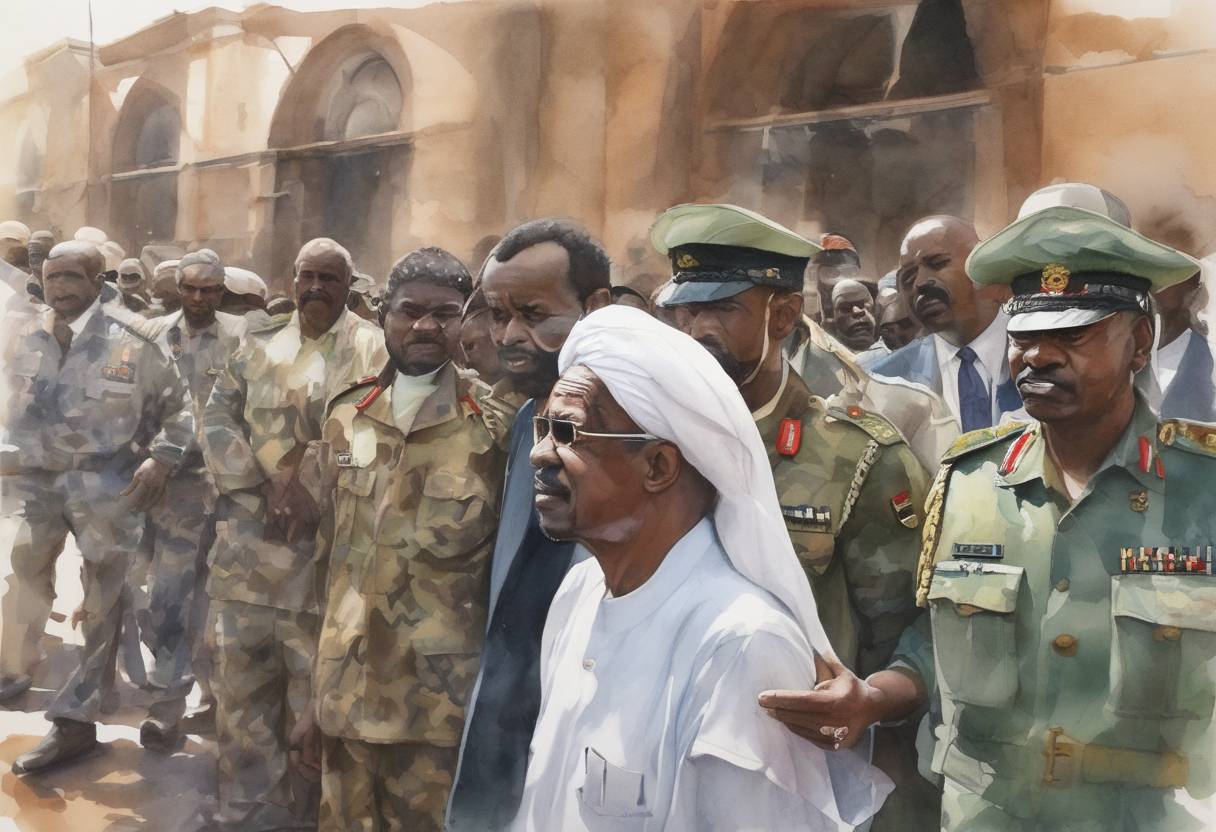
Arrest of President Omar al-Bashir - April 12, 2019
On April 12, 2019, Sudan’s military announced the arrest of President Omar al-Bashir, marking the end of his 30-year rule. This significant event was the culmination of months of widespread protests and civil unrest across Sudan, driven by public discontent over economic hardships and political repression.
Background
Omar al-Bashir’s Rule: Omar al-Bashir came to power in 1989 through a military coup. His regime was characterized by authoritarian rule, human rights abuses, and conflicts, notably in Darfur, which led to international condemnation and an arrest warrant from the International Criminal Court (ICC) for war crimes and genocide.
Economic Challenges: Sudan faced severe economic difficulties, exacerbated by the loss of oil revenue following South Sudan’s independence in 2011. Inflation soared, and basic commodities became scarce, fueling public frustration.
Protests Begin: The protests began in December 2018 in the city of Atbara, initially sparked by rising bread prices. They quickly spread nationwide, evolving into a broader movement demanding political change and the end of al-Bashir’s regime.
Key Events Leading to the Arrest
Sustained Demonstrations: Despite a harsh crackdown by security forces, protests continued for months. Demonstrators, organized by groups like the Sudanese Professionals Association, maintained pressure through sit-ins and marches.
Military’s Role: As the protests persisted, the military’s stance became crucial. Initially supporting al-Bashir, the military eventually shifted, likely influenced by the scale of unrest and internal pressures.
April 11, 2019: The military intervened, removing al-Bashir from power. Defense Minister Awad Ibn Auf announced the formation of a transitional military council to govern for two years, which was met with skepticism and continued protests demanding civilian rule.
Aftermath and Consequences
Transitional Government: The military’s initial plan for a two-year transition was met with resistance. Continued protests led to negotiations between the military and civilian leaders, resulting in a power-sharing agreement in August 2019.
Civilian-Military Council: The agreement established a Sovereign Council, comprising both military and civilian members, tasked with leading Sudan to democratic elections.
Ongoing Challenges: Sudan faced numerous challenges in its transition, including economic recovery, addressing past human rights abuses, and achieving lasting peace in conflict regions.
Broader Historical Significance
The ousting of Omar al-Bashir was a pivotal moment in Sudan’s history, reflecting the power of sustained popular protest and the potential for change in authoritarian regimes. It also highlighted the complexities of transitioning from military to civilian rule in post-conflict societies. The events in Sudan resonated globally, inspiring movements in other countries facing similar struggles for democracy and human rights.