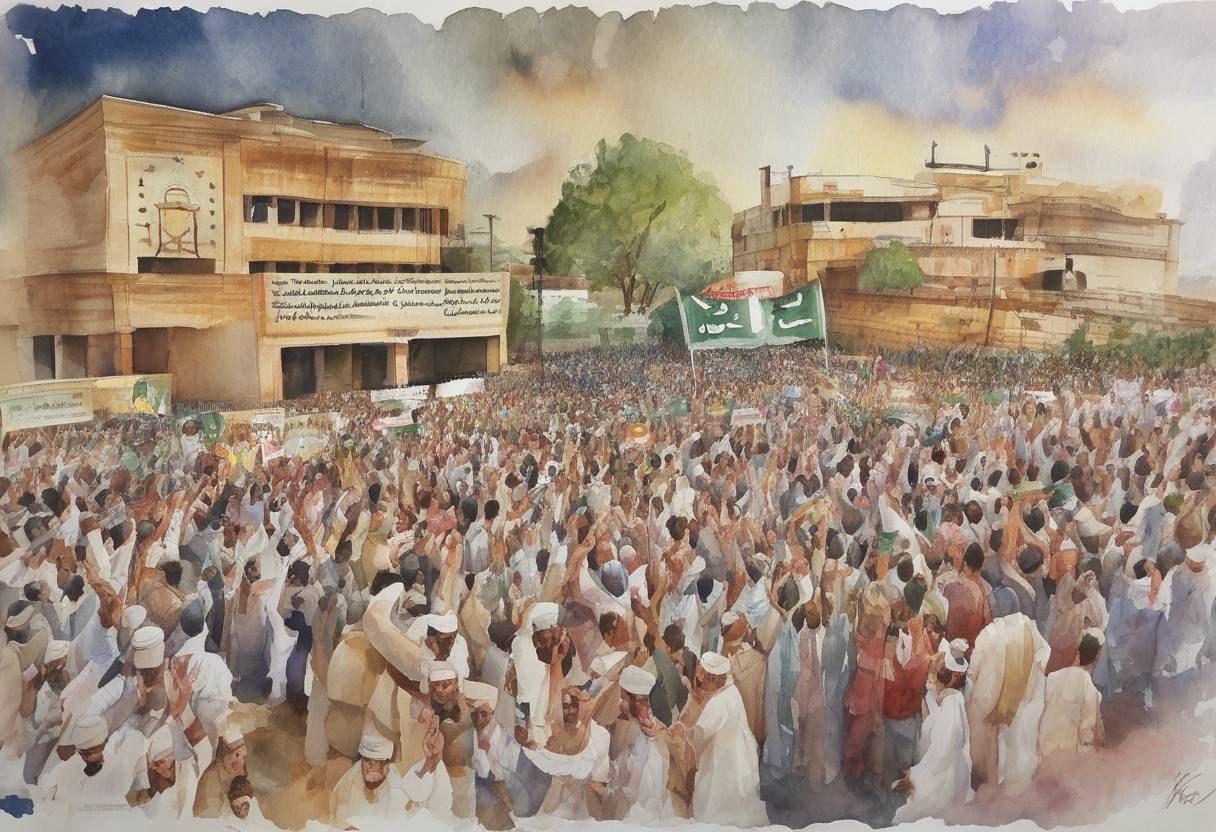
Pakistani General Elections of May 11, 2013
The general elections held in Pakistan on May 11, 2013, were a landmark event in the country’s political history. These elections marked the first time that a civilian government completed its full term and transferred power to another democratically elected government, a significant milestone for Pakistan’s democratic process.
Context and Background
Previous Political Landscape: Before these elections, Pakistan had experienced a tumultuous political history characterized by military coups and unstable civilian governments. The Pakistan People’s Party (PPP) led the government from 2008 to 2013, following the assassination of Benazir Bhutto in 2007 and the subsequent elections.
Challenges: The PPP government faced numerous challenges, including economic difficulties, energy shortages, and security issues, which contributed to widespread public dissatisfaction.
Key Events Leading to the Elections
Completion of Term: The PPP-led coalition government completed its five-year term, a rare occurrence in Pakistan’s history, setting the stage for a democratic transition.
Caretaker Government: As per the constitutional requirement, a caretaker government was established to oversee the electoral process, ensuring neutrality and fairness.
The Election Process
Major Parties and Leaders:
- Pakistan Muslim League-Nawaz (PML-N): Led by Nawaz Sharif, a former Prime Minister, who campaigned on promises of economic revival and infrastructure development.
- Pakistan Tehreek-e-Insaf (PTI): Led by Imran Khan, who gained significant support, especially among the youth, with a platform focused on anti-corruption and governance reform.
- Pakistan People’s Party (PPP): Led by Asif Ali Zardari, the incumbent party faced criticism for its handling of the economy and governance issues.
Voter Turnout: The elections saw a high voter turnout of approximately 55%, reflecting the public’s desire for change and democratic participation.
Results and Aftermath
Victory for PML-N: The PML-N emerged victorious, securing a majority in the National Assembly. Nawaz Sharif was poised to become Prime Minister for the third time.
Peaceful Transition: The elections were largely peaceful, although there were isolated incidents of violence. The successful transition was hailed as a positive step for democracy in Pakistan.
Impact on Pakistan: The elections were seen as a critical moment for Pakistan’s democratic institutions, providing hope for political stability and continuity. The new government faced the immediate challenge of addressing economic issues and improving security.
Broader Historical Significance
Democratic Maturity: The 2013 elections were a testament to the growing maturity of Pakistan’s democratic processes, setting a precedent for future civilian governments.
Regional and International Reactions: The peaceful transition was welcomed by the international community, which viewed it as a positive development for regional stability and democratic governance in South Asia.
In summary, the general elections of May 11, 2013, were a pivotal moment in Pakistan’s history, marking the first democratic transition of power and setting a hopeful precedent for the country’s political future.