Fidel Castro's Death: End of an Era in Cuban History
2016 · Havana, Cuba
Fidel Castro, the former President of Cuba and revolutionary leader, dies at the age of 90, marking the end of an era in Cuban history.
February 19, 2008
Fidel Castro announces his resignation as President of Cuba, ending nearly 50 years of rule.
Havana, Cuba | Cuban Government
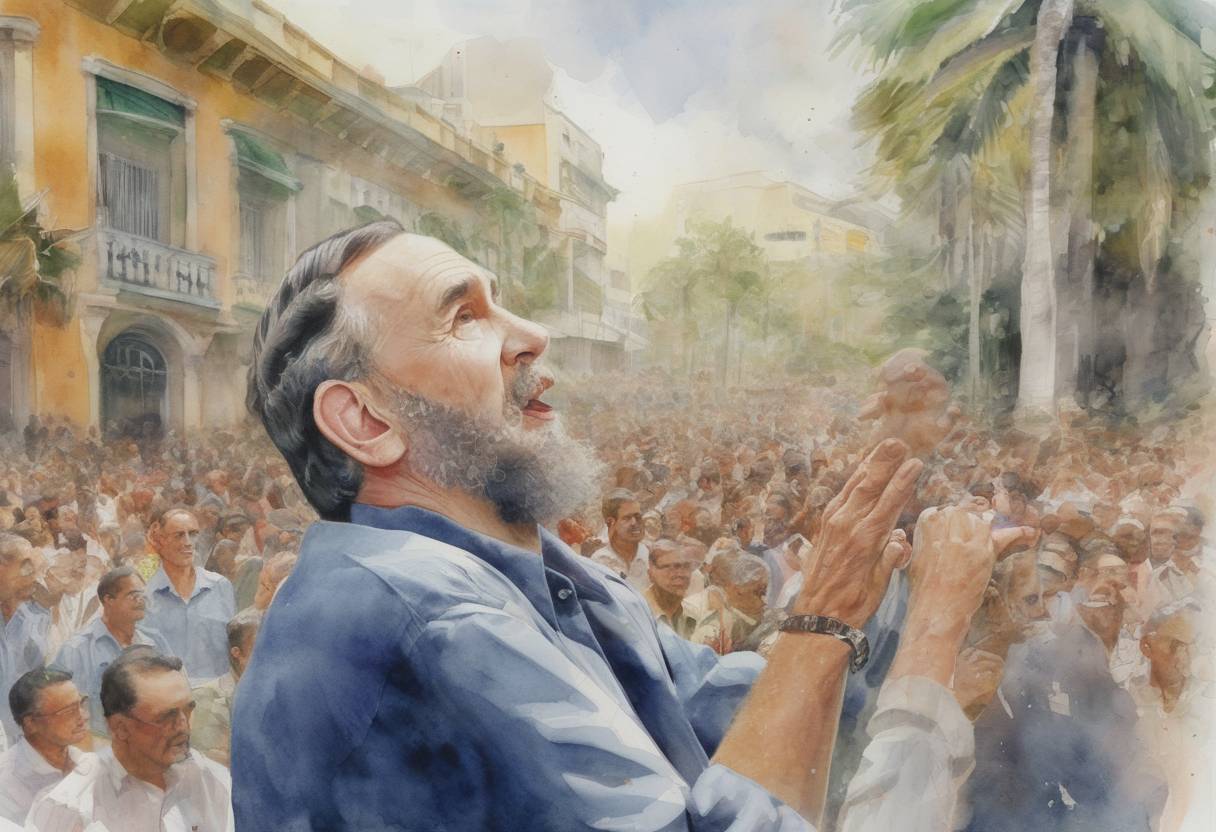
On February 19, 2008, Fidel Castro, the iconic and controversial leader of Cuba, announced his resignation as President of Cuba, marking the end of nearly 50 years of his rule. This significant event concluded an era that began with the Cuban Revolution and had profound implications for both Cuba and international relations.
Fidel Castro rose to power after leading the Cuban Revolution, which culminated in the overthrow of the Batista regime on January 1, 1959. Castro’s government quickly aligned itself with the Soviet Union, establishing a communist state just 90 miles from the United States. This alignment led to decades of tension during the Cold War, including the infamous Cuban Missile Crisis in 1962.
Health Issues: Castro’s health had been declining for several years. In July 2006, he temporarily transferred power to his brother, Raúl Castro, due to an intestinal illness that required surgery. This marked the beginning of the end of his active leadership.
Provisional Leadership: Raúl Castro served as the acting president during Fidel’s convalescence, managing the day-to-day affairs of the state and gradually implementing minor economic reforms.
Public Speculation: As Fidel’s health issues persisted, speculation about his permanent resignation grew. His absence from public life and the lack of detailed information about his condition fueled rumors and uncertainty about Cuba’s future leadership.
In a letter published in the state-run newspaper Granma, Fidel Castro declared that he would not seek another term as president or as commander-in-chief. He stated, “I will not aspire to nor accept…the positions of President of the Council of State and Commander in Chief.”
Raúl Castro’s Presidency: Following Fidel’s resignation, Raúl Castro was officially elected as the President of Cuba on February 24, 2008. Raúl continued to lead Cuba until 2018, implementing gradual economic reforms and opening the country to more foreign investment.
Cuba’s International Relations: Fidel’s resignation and Raúl’s subsequent leadership marked a shift in Cuba’s international relations. Under Raúl, Cuba began to thaw its relations with the United States, culminating in the restoration of diplomatic ties in 2015 under the Obama administration.
Legacy of Fidel Castro: Fidel Castro’s resignation did not diminish his influence or legacy. He remained a symbolic figure in Cuba and continued to write columns and commentaries on global affairs until his death in 2016.
Fidel Castro’s resignation was a pivotal moment in Cuban history, symbolizing the end of an era characterized by revolutionary zeal and staunch anti-imperialism. It opened the door for potential reforms and changes in Cuba’s political and economic landscape, influencing the country’s trajectory in the 21st century.
Source: www.bbc.com