Suicide Bombing in Baghdad - March 6, 2008
2008 · Baghdad, Iraq
A suicide bomber killed at least 68 people and injured more than 100 others in Baghdad, Iraq, during a crowded shopping event.
August 19, 2003
A suicide truck bomb attack on the United Nations headquarters in Baghdad, Iraq, killed 22 people, including the UN's top envoy in Iraq, Sérgio Vieira de Mello.
Baghdad, Iraq | United Nations
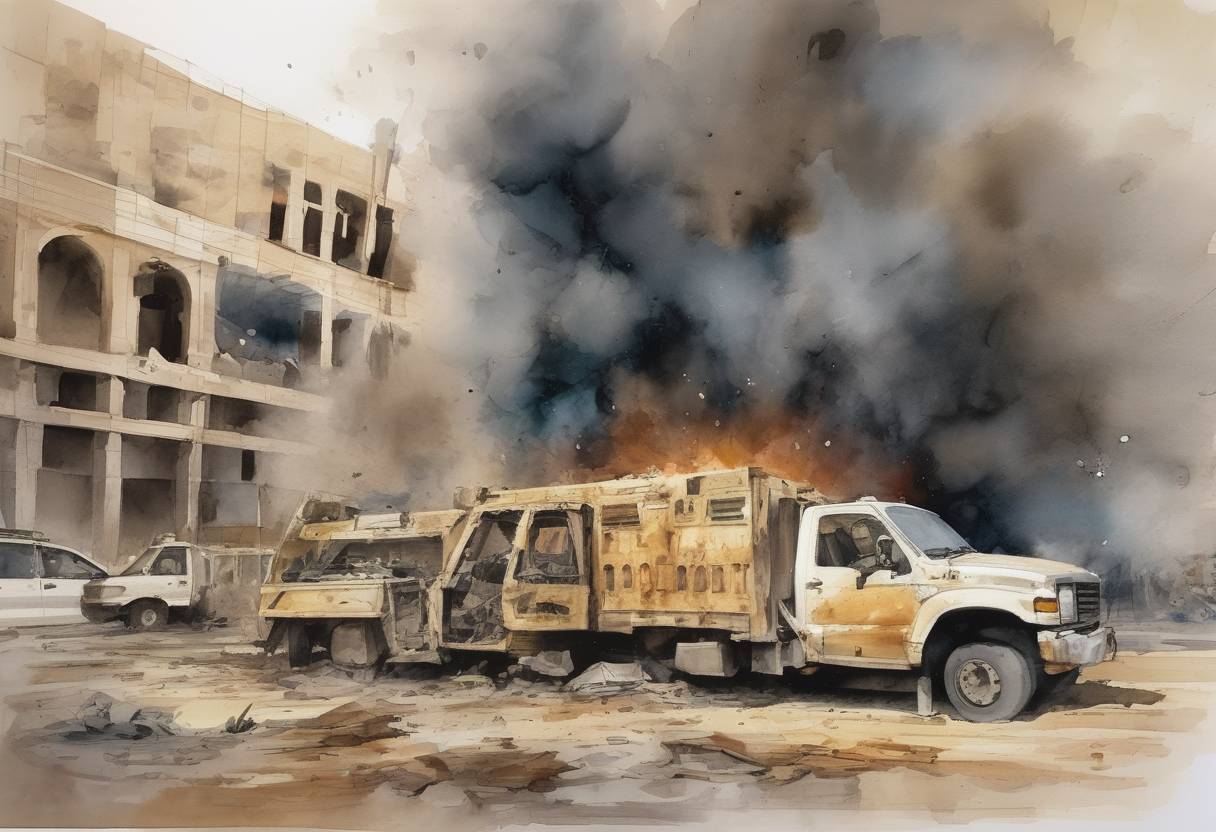
On August 19, 2003, a devastating suicide truck bomb attack targeted the United Nations headquarters in Baghdad, Iraq. This tragic event resulted in the deaths of 22 individuals, including Sérgio Vieira de Mello, the UN’s top envoy in Iraq at the time.
The attack occurred in the aftermath of the U.S.-led invasion of Iraq in March 2003, which aimed to topple the regime of Saddam Hussein. Following the invasion, Iraq was in a state of political instability and violence, with various insurgent groups emerging in opposition to the foreign presence and the transitional government.
The United Nations had established a presence in Iraq to assist with humanitarian efforts and to support the country’s reconstruction and political transition. Sérgio Vieira de Mello, a seasoned Brazilian diplomat with extensive experience in conflict zones, was appointed as the UN Secretary-General’s Special Representative for Iraq.
The Canal Hotel, which served as the UN’s headquarters in Baghdad, was the target of the attack. A truck loaded with explosives was driven into the building, causing a massive explosion that led to the collapse of a significant portion of the structure.
In addition to the fatalities, over 100 people were injured in the blast. The attack was one of the deadliest against the United Nations in its history and marked a turning point in the organization’s operations in Iraq.
The bombing had profound implications for the UN’s role in Iraq and its approach to security in conflict zones. In the immediate aftermath, the UN significantly reduced its presence in Iraq, withdrawing most of its international staff due to security concerns.
The attack highlighted the vulnerability of international organizations operating in volatile environments and prompted a reevaluation of security measures for UN personnel worldwide. It also underscored the challenges faced by the international community in stabilizing Iraq during the post-invasion period.
The loss of Sérgio Vieira de Mello, a highly respected diplomat, was deeply felt across the international community. His death and the attack itself became symbols of the dangers associated with peacekeeping and humanitarian efforts in conflict zones.
The bombing also intensified discussions about the security situation in Iraq and the strategies employed by insurgent groups to undermine foreign and international efforts in the country.
Overall, the August 19, 2003, attack on the UN headquarters in Baghdad remains a somber reminder of the risks faced by those working towards peace and reconstruction in areas of conflict.
Source: www.un.org