The First Photograph of Earth from the Moon: August 23, 1966
1966 · Moon, Space
The Lunar Orbiter 1 took the first photograph of Earth from the Moon.
July 31, 1964
NASA's Ranger 7 spacecraft transmitted the first close-up photographs of the Moon's surface, marking a significant achievement in space exploration.
Moon, N/A | NASA
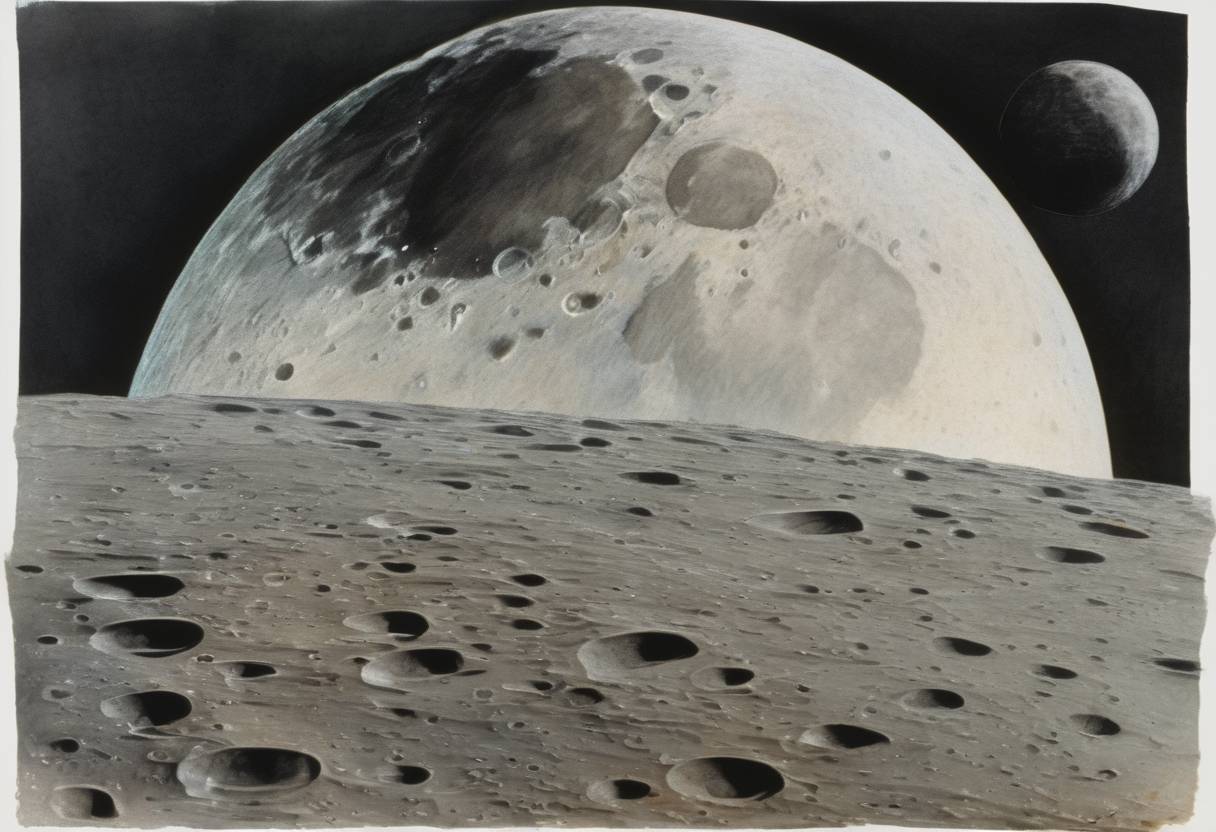
On July 31, 1964, NASA’s Ranger 7 spacecraft achieved a significant milestone in space exploration by transmitting the first close-up photographs of the Moon’s surface. This event marked a pivotal moment in the United States’ efforts to explore and understand our closest celestial neighbor.
The Ranger program was initiated by NASA in the early 1960s with the goal of obtaining detailed images of the Moon’s surface to aid future lunar missions. Prior to Ranger 7, the program faced several setbacks, with the first six Ranger missions failing to achieve their objectives due to various technical issues.
The success of Ranger 7 marked a turning point in the Ranger program and contributed significantly to the planning and execution of the Apollo missions, which would eventually lead to humans landing on the Moon in 1969. The data collected from Ranger 7 and subsequent missions provided invaluable insights that informed the selection of landing sites and the understanding of the lunar environment.
In summary, Ranger 7’s successful mission on July 31, 1964, was a landmark achievement in space exploration, showcasing the potential of robotic spacecraft to gather critical data from distant celestial bodies.
Source: www.nasa.gov