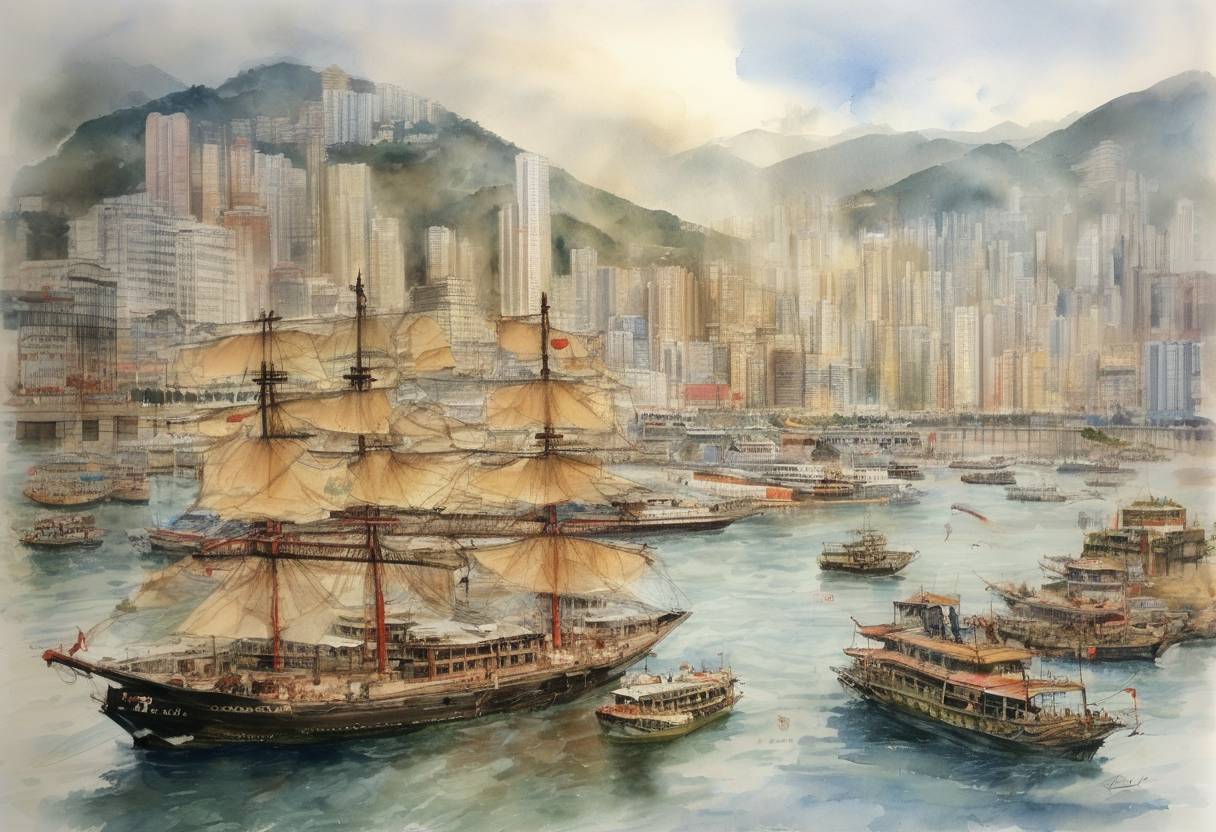
Transfer of Sovereignty Over Hong Kong: June 30, 1997
On June 30, 1997, a pivotal moment in modern history unfolded as the United Kingdom transferred sovereignty over Hong Kong to the People’s Republic of China. This event marked the end of 156 years of British colonial rule and was a significant milestone in the region’s history.
Historical Context
- British Colonial Rule: Hong Kong became a British colony after the First Opium War, with the Treaty of Nanking in 1842 ceding Hong Kong Island to Britain. Subsequent treaties expanded British control to Kowloon Peninsula and the New Territories.
- Sino-British Joint Declaration: In 1984, the UK and China signed the Sino-British Joint Declaration, agreeing that Hong Kong would return to Chinese sovereignty in 1997. The declaration outlined the “one country, two systems” principle, ensuring Hong Kong would maintain its capitalist system and way of life for 50 years after the handover.
The Handover Ceremony
- Date and Venue: The official handover ceremony took place on the night of June 30, 1997, at the Hong Kong Convention and Exhibition Centre.
- Key Figures: The ceremony was attended by British Prime Minister Tony Blair, Prince Charles, Chinese President Jiang Zemin, and other dignitaries.
- Symbolic Acts: The British flag was lowered, and the Chinese flag was raised at midnight, symbolizing the transfer of sovereignty.
Aftermath and Significance
- “One Country, Two Systems”: Under this framework, Hong Kong retained a high degree of autonomy, including its legal system, economic policies, and rights and freedoms not present in mainland China.
- Economic and Social Impact: The handover was followed by economic growth and integration with mainland China, though it also sparked debates and concerns about the preservation of Hong Kong’s autonomy and freedoms.
- Political Developments: Over the years, tensions have occasionally flared regarding the interpretation and implementation of the “one country, two systems” principle, leading to significant political movements and protests in Hong Kong.
Broader Historical Significance
The transfer of sovereignty over Hong Kong was not just a regional event but a global one, symbolizing the end of an era of colonialism and the rise of China as a major global power. It highlighted the complexities of post-colonial governance and the challenges of balancing national sovereignty with regional autonomy.
This event remains a focal point in discussions about colonial legacies, international diplomacy, and the evolving relationship between Hong Kong and mainland China.